移动式车载扫描阵列

Search documents
三季度产业观察 | “一杯咖啡的距离”串起产业链 科技重塑电影产业未来
Yang Shi Wang· 2025-11-01 07:13
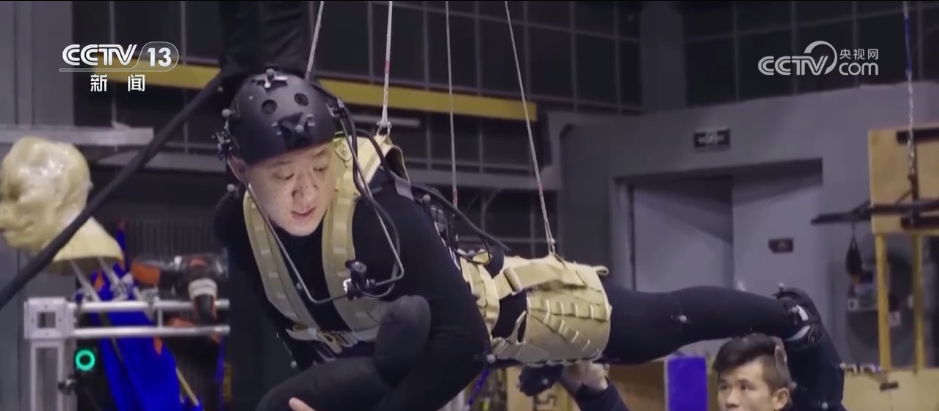
Core Insights - The film industry in China has shown significant growth, with box office revenue surpassing 41.95 billion yuan in the first three quarters, representing a year-on-year increase of 20.7% and over 984 million viewers [1] - The recent National Day holiday saw the annual box office exceed the total for the previous year, highlighting the industry's recovery and growth potential [1] Technological Advancements - New production technologies, such as virtual shooting and 3D scanning, are revolutionizing the film industry, enabling high-quality visual effects and reducing production costs [3][5] - The mobile scanning array used in films allows for quick generation of high-precision digital models, enhancing the visual experience [3] - The establishment of advanced facilities, like the largest constant temperature water scene base in Asia, supports the creation of realistic effects, such as waves in films [5] Efficiency Improvements - The introduction of digital intelligent scene-changing workshops has increased filming efficiency by 55% and reduced costs by 90% for large-scale scenes [7] - Traditional scene setup costs can reach hundreds of thousands of yuan, while virtual production systems can reduce this to tens of thousands, significantly saving time and resources [9] AI Integration - Artificial intelligence is transforming the entire film production process, from pre-production to post-production, enhancing efficiency and creativity [11][12] - AI systems can generate storyboards and dynamic previews in minutes, streamlining the creative process for directors [18] - AI translation systems facilitate dubbing in multiple languages while preserving character traits, further enhancing global distribution capabilities [16] Industry Ecosystem - The film industry is experiencing a technological explosion, with 2025 anticipated as a pivotal year for advancements in film technology [20] - Successful films like "Ne Zha" have catalyzed deeper integration of technology within the industry, supported by a robust talent development system [20][22] - Collaborative networks among production companies and educational institutions are fostering talent development, with a growing demand for skilled professionals in the industry [24][26]