
竹制脚手架

Search documents
对话两代火灾科学家:没有任何消防系统能扑灭高层外墙大火
晚点LatePost· 2025-11-30 02:06
Core Viewpoint - The article discusses the catastrophic fire at Hong Kong's Hong Fu Garden, highlighting the unique challenges of high-rise building fires and the need for improved fire safety regulations and practices globally [4][6][12]. Group 1: Fire Incident Analysis - Experts agree that the fire at Hong Fu Garden was unprecedented, with seven high-rise buildings igniting simultaneously, indicating a lack of preparedness among firefighters [5][7]. - The fire resulted in 128 fatalities and around 200 individuals unaccounted for, raising questions about the materials used in construction and the effectiveness of fire alarms [7][10]. - The fire's rapid spread was attributed to combustible materials like bamboo scaffolding and foam sealants, which facilitated vertical and horizontal fire propagation [9][10][12]. Group 2: Fire Safety Regulations - Historical fire incidents, such as the 1996 Hong Kong Gala Tower fire and the 2017 Grenfell Tower fire in London, have led to the establishment of new safety standards, emphasizing the need for continuous improvement in fire safety regulations [6][15]. - Current regulations in Hong Kong are stringent, yet the classification of bamboo scaffolding as a temporary structure creates loopholes in fire safety oversight [15][16]. - Experts suggest that integrating scaffolding regulations into building codes could enhance overall fire safety and prevent future tragedies [16][20]. Group 3: Recommendations for Improvement - The article emphasizes the importance of proactive fire safety management, including early detection systems and regular maintenance of fire safety equipment [20][21]. - It is suggested that the government should phase out bamboo scaffolding in favor of safer alternatives to mitigate fire risks [16][20]. - The need for a collaborative approach among property owners, tenants, management companies, and contractors is highlighted to ensure effective implementation of fire safety measures [19][20].

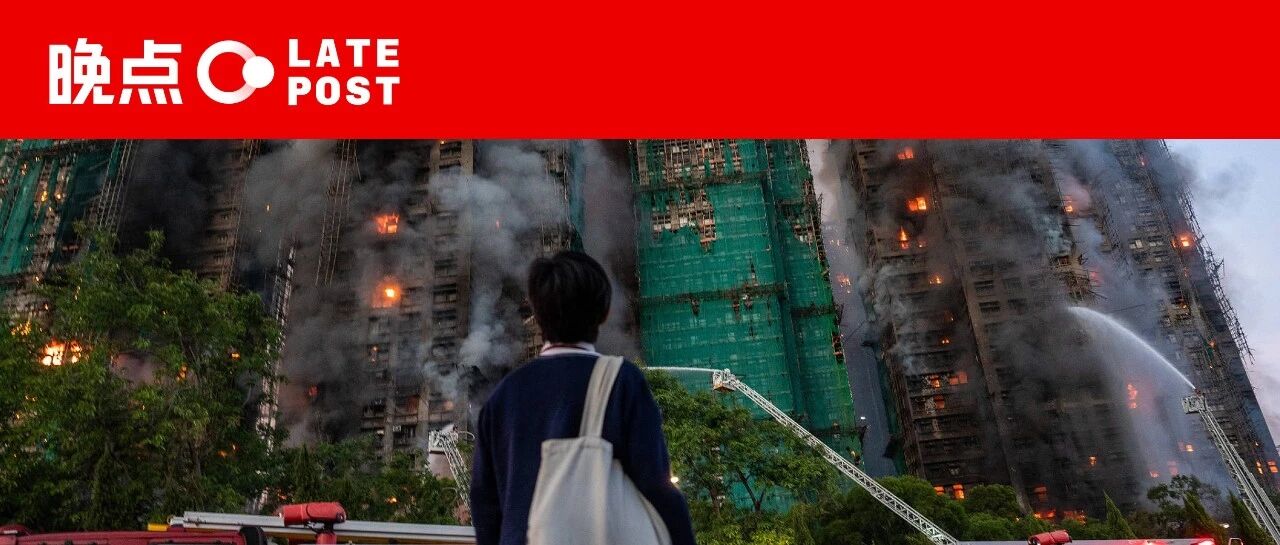
两问香港大埔火灾:施工为何采用竹棚架?高楼为何难施救?
Di Yi Cai Jing· 2025-11-27 05:10
Core Insights - The fire at Hong Kong's Ma On Shan estate has resulted in 44 fatalities and 45 injuries, raising concerns about the safety of construction materials used in high-rise buildings [1][2] - Investigations suggest that the rapid spread of the fire may be linked to the use of non-fire-resistant materials, particularly the green protective nets and foam insulation used in construction [2][3] - The incident has prompted discussions on the safety regulations surrounding the use of bamboo scaffolding, which is prevalent in Hong Kong's construction industry [4][5] Construction Material Concerns - The external wall materials of the affected buildings exhibited unusual fire spread characteristics, leading authorities to suspect potential criminal activity [2] - Bamboo scaffolding, which constitutes 90% of the scaffolding market in Hong Kong, is noted for its low ignition point and has been criticized for its fire safety risks [3][4] - The use of non-compliant materials in construction and maintenance processes, including insulation and sealing materials, is highlighted as a significant risk factor [5] Regulatory and Safety Implications - Current safety regulations do not adequately address the fire resistance of scaffolding materials, which has raised alarms among safety experts [3] - The Hong Kong government plans to mandate that at least half of new public works projects utilize metal scaffolding by early 2025 to enhance safety [4] - The high density of buildings and the close proximity of residential units complicate fire control efforts, as does the common practice of using stairwells for storage, which can impede evacuation [5][6] Fire Rescue Challenges - The high-rise nature of buildings in Hong Kong presents significant challenges for fire rescue operations, particularly for structures exceeding 100 meters in height [8] - The recent fire involved over 140 fire trucks and 800 personnel, highlighting the scale of the emergency response required for such incidents [8]