竹节系列

Search documents
告别收藏式戴金:君佩在太古里,如何让黄金走进日常高级感?
Zhong Guo Zhi Liang Xin Wen Wang· 2026-02-04 09:12
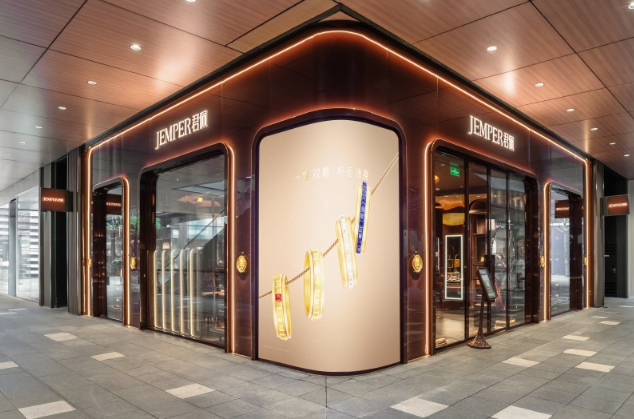
Core Viewpoint - The article discusses the contradiction in the gold consumption market, where high-quality and aesthetic-oriented consumers are keen on purchasing gold jewelry but rarely wear it in daily life, indicating a gap between traditional gold jewelry and modern lifestyle needs [1][3]. Group 1: Market Dynamics - A brand named Junpei is addressing the issue of gold jewelry being primarily viewed as collectibles rather than daily wear by opening a store in Chengdu's Taikoo Li, a high-end retail and cultural hub [3][9]. - The store aims to transform the perception of gold jewelry by integrating it into everyday life, moving away from its traditional role as a symbol of celebration or inheritance [1][10]. Group 2: Product Innovation - Junpei recognizes the need for a comprehensive innovation in design and comfort to encourage daily wear of gold jewelry, focusing on modern aesthetics and traditional Eastern beauty [5][7]. - The brand's design philosophy includes modern interpretations of traditional motifs, ensuring that gold jewelry aligns with contemporary fashion and lifestyle [7][10]. Group 3: Craftsmanship and Comfort - Junpei employs advanced craftsmanship techniques, such as seamless embedding and velvet engraving, to enhance the comfort and durability of their jewelry, making it suitable for everyday wear [5][7]. - The use of innovative polishing techniques creates a refined visual quality that aligns with modern high-end aesthetics, moving away from the harsh reflections of traditional gold [7][9]. Group 4: Consumer Experience - The store in Taikoo Li serves as a real-life testing ground for Junpei's products, allowing consumers to experience how gold jewelry can seamlessly integrate into their daily lives [9][10]. - By showcasing their jewelry in a high-end environment filled with fashion and art, Junpei aims to educate consumers on the potential of gold jewelry as a part of their personal style [9][10]. Group 5: Brand Philosophy - Junpei's approach transcends mere product sales, promoting a lifestyle and aesthetic confidence that encourages consumers to wear gold jewelry in various settings, from daily commutes to significant occasions [10]. - The opening of the Chengdu Taikoo Li store represents a strategic move to introduce a comprehensive solution to the market, redefining the wearing experience of gold jewelry [10].

不止于金:君佩太古里店,一个高净值人群的“东方美学会客厅”
Zhong Guo Zhi Liang Xin Wen Wang· 2026-02-03 06:48
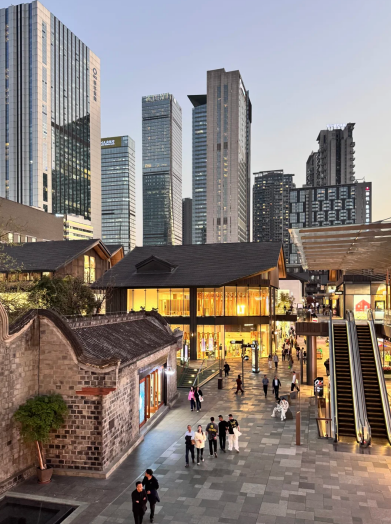
Core Insights - The article highlights the transformation of retail spaces into lifestyle experiences, with a focus on the newly opened Junpei Gold store in Chengdu Taikoo Li, which aims to redefine gold consumption for high-net-worth individuals through an immersive cultural and aesthetic experience [1][6]. Group 1: Store Concept and Design - Junpei Gold's store is designed as a multi-layered aesthetic space, presenting itself as a gallery of objects that embody Eastern auspicious cultural meanings, such as the Pi Yao series and the Bamboo series, showcasing the artistic craftsmanship of gold jewelry [3][5]. - The store features a "craft experience theater" that allows customers to witness the intricate craftsmanship involved in creating high-end jewelry, emphasizing the connection between the product and the artisans [5][6]. Group 2: Target Audience and Community Building - The store targets high-net-worth individuals who appreciate Eastern aesthetics and seek to express their individuality through gold jewelry, creating a space for social interactions and cultural exchanges [5][6]. - Junpei Gold's positioning within the high-end retail ecosystem of Chengdu Taikoo Li, which attracts over 30 million visitors annually, enhances its appeal to a curated audience aligned with its brand values [6][7]. Group 3: Industry Trends - The Junpei Gold store exemplifies a shift in the luxury jewelry market towards spaces that prioritize cultural expression and deep customer experiences over traditional product displays, indicating a trend towards more complex retail environments [7].