第三方云仓服务

Search documents
国际视野:中外云仓模式比较与跨境供应链构建
Sou Hu Cai Jing· 2025-12-13 10:24
Core Insights - Understanding the differences between domestic and international cloud warehouse models is essential for building an efficient cross-border supply chain in today's integrated global e-commerce landscape [1] Comparison of Models - The ideal cross-border supply chain for Chinese outbound enterprises is often a "hybrid cloud warehouse" model, contrasting with the "platform-driven" model exemplified by Amazon FBA in the U.S. [3] - The platform-driven model offers significant advantages through deep integration with platform traffic and membership systems, leading to increased sales but also creates high dependency on the platform, exposing sellers to risks from rule changes and high long-term storage costs [3] - In China, the market is characterized by a large number of independent third-party cloud warehouse service providers, which excel in service flexibility, cost control, and customized solutions due to intense market competition [3] Key Strategies for Building Resilient Cross-Border Supply Chains - Integration of first-mile and trunk logistics by utilizing specialized cross-border logistics services to consolidate transportation via sea, air, or rail to the destination country [3] - Strategy for overseas warehouse selection involves a combination of "FBA + third-party overseas warehouse," where popular and urgent products are stored in FBA to leverage traffic benefits, while long-tail, large, and seasonal products are stored in more cost-effective and flexible third-party warehouses [3] - Use of "virtual warehouses" as a buffer and testing tool during market entry phases, allowing for a light-asset approach to gauge market response before transitioning to physical overseas warehouses [3] - Choosing service providers that offer integrated cross-border supply chain management systems to achieve full visibility and data unification from domestic collection, international trunk, overseas storage, to last-mile delivery, which is crucial for improving management efficiency and reducing errors [3]


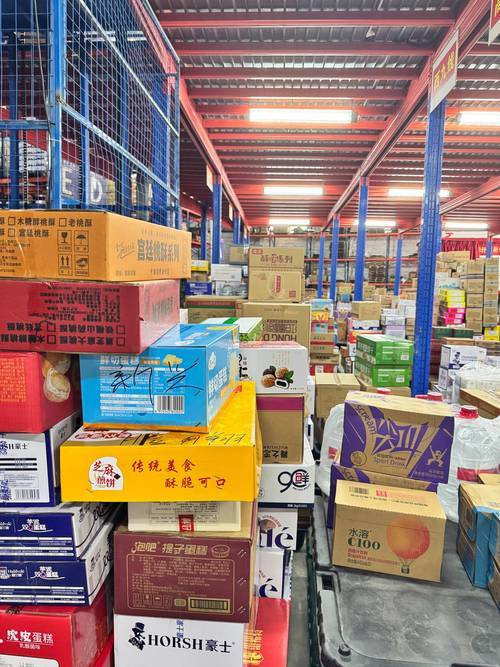
箱包卖家必看:第三方云仓选择的4大关键因素
Sou Hu Cai Jing· 2025-06-13 05:40
Group 1 - The core relationship between bag e-commerce and cloud warehousing is highlighted, emphasizing the high storage costs and seasonal sales fluctuations that necessitate flexible warehousing solutions [3][4] - A good cloud warehouse can help reduce costs and improve efficiency through professional management and intelligent logistics, while a poor choice can lead to customer complaints and damage to reputation [3][4] Group 2 - Key factors for selecting a cloud warehouse include geographical location and logistics network, with proximity to target markets being crucial for cost-effective and timely deliveries [6][10] - The storage management capability of the warehouse is essential, including hardware adequacy, advanced software systems, and strict quality control processes to ensure efficient operations and minimize errors [10][11] Group 3 - Service quality and response speed are critical, with metrics such as order processing time, accuracy rates, and after-sales support being important considerations for e-commerce businesses [11][13] - Cost and value for money should be evaluated comprehensively, considering various fee structures and potential hidden costs, rather than just focusing on the lowest price [16][20] Group 4 - Evaluating and selecting cloud warehouse service providers can involve on-site inspections, checking references and reviews, trial collaborations, and signing clear contracts to outline responsibilities and service expectations [20][22] - Post-selection, maintaining communication, monitoring key performance indicators, and collaborating on process optimization are vital for ensuring a successful partnership with the cloud warehouse [25]