红叶观赏

Search documents
六大园区联动 2025年广州红叶观赏季启幕
Zhong Guo Xin Wen Wang· 2025-12-21 01:30
Core Viewpoint - The 2025 Guangzhou Red Leaf Viewing Season has commenced, showcasing a collaborative effort among six major parks to promote ecological tourism and cultural experiences [1][2]. Group 1: Event Overview - The event is held at Guangzhou Shimen National Forest Park, known as "Guangzhou's Fragrant Mountain," which boasts a forest coverage rate of 96.56%, housing the largest red leaf forest in Guangdong [1]. - The Red Leaf Viewing Season will last until January 18, 2026, providing an extended period for visitors to engage in various activities [3]. Group 2: Activities and Features - The event features diverse experiences, including traditional cultural activities like non-heritage printing and Song Dynasty tea ceremonies, enhancing the cultural richness of the event [2]. - A "Traditional Chinese Medicine + Forest Health" exhibition area offers services such as herbal tea tasting and body constitution identification, promoting health awareness among visitors [2]. - Interactive activities like leaf bookmark making and knowledge quizzes are designed to engage visitors, while unique experiences such as sound bowl therapy and themed flower arrangements create an immersive wellness atmosphere [2]. Group 3: Partnerships and Innovations - The event introduced the upgraded red leaf mascot "Shimenmeng," along with five creative products, enhancing the branding and marketing of the event [1]. - The establishment of the "Forest Health and Nature Education Alliance" involves 11 enterprises from education, healthcare, and tourism sectors, aiming to integrate ecological, medical, and tourism resources into a cohesive industry system [1].
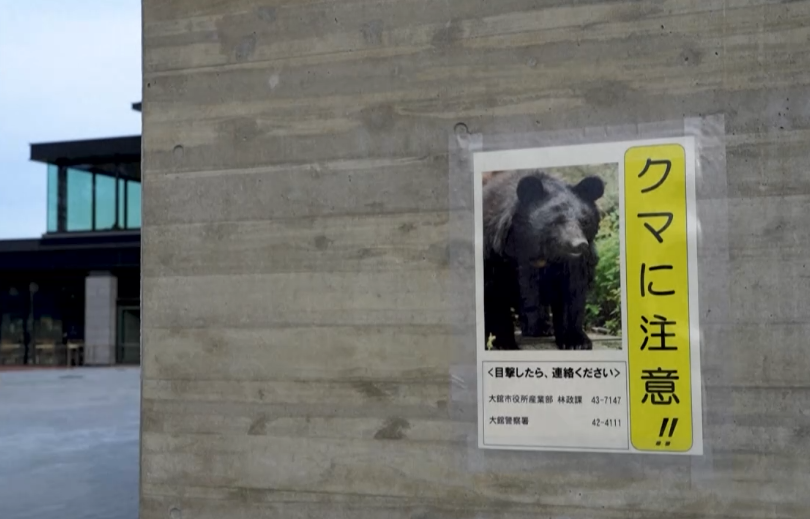
一天五人遭熊袭 日本红叶季旅游业受创
Yang Shi Xin Wen· 2025-11-10 08:12
Core Viewpoint - Japan is experiencing a significant increase in bear attacks, impacting local tourism and businesses during the autumn leaf viewing season, traditionally a peak travel time [3][4][6]. Group 1: Bear Attacks and Incidents - On November 9, five individuals across three counties in Japan were attacked by bears, including a 78-year-old woman and a 50-year-old woman in Akita Prefecture [3]. - In Akita Prefecture, an 83-year-old man was also attacked, sustaining multiple injuries but is currently in stable condition [3]. - A bear was captured and killed after attacking a woman in Akita, while another bear attacked a ramen shop employee in Aomori Prefecture [4]. Group 2: Economic Impact on Tourism - The bear attacks have led to a significant decline in tourism, particularly in Akita Prefecture, where popular viewing spots like Chitose Park have been closed due to bear sightings [4]. - Following a fatal bear attack on a hot spring employee in Iwate Prefecture, hotel bookings have dropped by 20%, with some hot spring facilities closing outdoor baths [4]. - Tourists are altering their travel plans due to safety concerns, with some opting to postpone trips until after the bears hibernate [5]. Group 3: Increase in Bear Sightings - From April to September, Japan reported over 20,000 bear sightings, the highest in five years, with more than ten fatalities and over a hundred injuries [6]. - The majority of bear attacks this year have occurred in urban areas or near residential neighborhoods, with over 70% of incidents happening in these locations [6]. - Factors contributing to the increase in bear encounters include population decline, abandoned farmland, and reduced food sources in the wild [6].