
生态旅游

Search documents
春节假期,游客走入热带雨林开启生态徒步、民俗体验等“沁心之旅”
Hai Nan Ri Bao· 2026-02-21 10:28
Core Viewpoint - The article highlights the vibrant tourism activities in Hainan's tropical rainforest during the Spring Festival, emphasizing the unique ecological experiences and cultural activities available to visitors [1][8]. Group 1: Ecological Tourism - Hainan's tropical rainforest is described as a natural oxygen bar, attracting visitors for its fresh air and scenic beauty, which enhances physical well-being [3][8]. - The article features the experiences of an 81-year-old visitor, who enjoys the rainforest's rich biodiversity and the health benefits of its environment, such as increased energy and improved sleep [3][5]. - The infrastructure in the rainforest, including pathways and railings, has significantly improved over the years, making it safer and more comfortable for tourists [5]. Group 2: Cultural Activities - The article details various cultural activities integrated into the tourism experience, such as traditional ethnic performances and hands-on experiences like farming and fishing [6][7]. - Events like the "Song Dynasty Elegance" theme at the Wanshou Mountain scenic area showcase traditional cultural practices, blending historical elements with modern festivities [6]. - The article mentions the popularity of family-oriented activities at the Hainan Provincial Museum and other locations, which attract visitors looking for cultural enrichment during the holiday [7]. Group 3: Overall Experience - The overall atmosphere in Hainan's central mountainous region during the Spring Festival is described as lively and filled with cultural richness, offering a blend of ecological beauty and traditional festivities [8]. - The article emphasizes the importance of family bonding and the joy of experiencing nature and culture together during the holiday season [8].

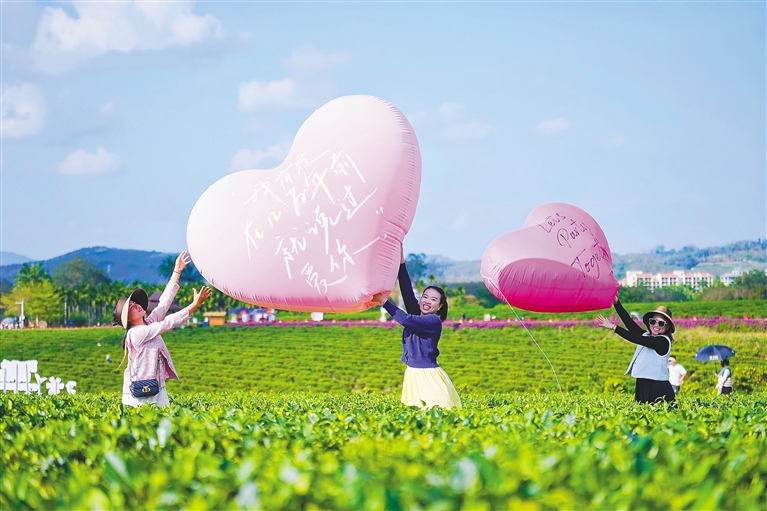
从“城市伤疤”到“生态之窗”
Xin Lang Cai Jing· 2026-02-20 18:38
Core Viewpoint - The article highlights the successful ecological restoration and water environment governance in the Fengjia River basin of Beihai, Guangxi, showcasing a model for sustainable urban ecological development and biodiversity enhancement [2][3]. Group 1: Ecological Restoration Efforts - The Beihai municipal government initiated the Fengjia River water environment governance project in July 2017, addressing severe pollution caused by direct discharge from aquaculture and rainwater [2]. - The project involved systematic governance, including the removal of 363 direct discharge points, the clearance of nearly 2,000 acres of aquaculture pollution areas, and the construction of a 30-kilometer sewage interception network and 19 sewage treatment facilities [2]. - The governance efforts resulted in a reduction of 1,366 tons of major pollutants and a decrease of 16.5 million tons of sewage discharge, improving the water quality from "poor V class" to "better than IV class" [2]. Group 2: Biodiversity and Ecological Impact - The ecological restoration of the Fengjia River has been pivotal for the protection and restoration of mangroves, with Beihai City achieving the planting of 624 hectares and the restoration of 1,642.85 hectares of mangroves, surpassing the 2030 target of 4,600 hectares [3]. - The Beihai Coastal National Wetland Park, covering over 230 hectares of mangroves, has seen significant improvements in ecological functions and biodiversity, with 309 bird species recorded, including rare species like the spoon-billed sandpiper and black-winged kite [3][4]. - In 2023, the Jin Hai Bay mangrove wetland was designated as an international important wetland, further enhancing its ecological significance [3]. Group 3: Community Engagement and Education - The wetland park has introduced "Mangrove +" eco-tourism activities, engaging families and students in various ecological education programs, which have attracted numerous visitors [4]. - Community members, including families, participate in nature study activities, reflecting a shift from a polluted environment to a vibrant ecological classroom [4]. - The local government aims to explore mechanisms for realizing the value of ecological products, ensuring that a healthy ecological environment translates into widespread benefits for the community [4].
在美丽乡村过大年
Ren Min Ri Bao· 2026-02-19 00:08
Core Insights - The article highlights the successful implementation of ecological and sustainable agricultural practices in various villages across China, showcasing how these initiatives have improved local economies and living conditions while preserving the environment [12][14][17][21][25]. Group 1: Agricultural Innovations - In Guizhou's Jinhua Village, the introduction of modern tea management techniques has led to an increase in tea garden size to over 6,000 acres, generating an annual output value exceeding 40 million yuan [14][15]. - Dabaizi Village in Liaoning has adopted an "ecological rice-crab co-culture" model, resulting in a pure income of over 100,000 yuan from 100 acres of rice cultivation, with a total agricultural output value of 21.8 million yuan [25][26]. - The promotion of green pest control technologies in Jinhua Village has enhanced the quality of tea, leading to a reputation for organic and clean tea products [15]. Group 2: Environmental Improvements - Tower Front Village in Hebei transformed from a polluted environment to a clean and attractive village, achieving a 95% wastewater collection and treatment rate, and boosting tourism with 13 family-run guesthouses [19][20]. - The implementation of a "zero direct discharge" initiative in Chongqing's Shiya Village has improved local water quality, allowing for the reuse of treated wastewater for irrigation [32][33]. - In Yunnan's Linjia area, significant investments in infrastructure and environmental management have led to a thriving tourism industry, with projected tourism revenue of over 500,000 yuan by 2025 [29][30]. Group 3: Economic Development - The tea industry in Guizhou has become a primary source of income for over 300,000 residents, with a focus on standardized production and deep processing to enhance value [16]. - In Tower Front Village, the average income per villager is expected to exceed 22,000 yuan by 2025, driven by improved living conditions and increased tourism [20]. - The integration of urban and rural economies in Hunan's Shaoyang Village has allowed residents to benefit from both agricultural and urban opportunities, enhancing overall quality of life [24].
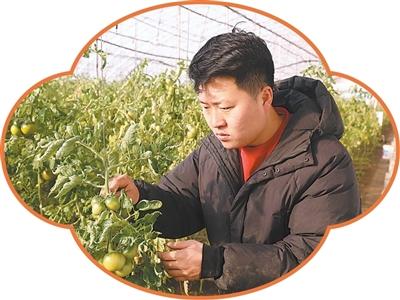
群鸥日翔集 灯河夜璀璨
Xin Lang Cai Jing· 2026-02-15 20:08
Core Viewpoint - The article highlights the vibrant atmosphere in Tianjin during the Spring Festival, emphasizing the increasing presence of seagulls in the city, which reflects the improvement in the local ecological environment and enhances the cultural tourism appeal of Tianjin [3][4][6][7]. Group 1: Ecological Improvement - The significant increase in seagull populations is attributed to ongoing ecological protection efforts in Tianjin, which have improved water quality and increased fish resources, providing a stable food source for the birds [6][7]. - The number of migratory birds passing through Tianjin has surpassed one million, with the city recording 475 bird species, indicating a thriving ecosystem [6][7]. Group 2: Cultural and Tourism Impact - The presence of seagulls has sparked interest in cultural tourism, with social media topics related to seagull watching gaining over a billion views, showcasing the city's unique appeal [7]. - Various initiatives, such as educational lectures and light shows, have been implemented to integrate natural attractions with urban experiences, enhancing the overall tourism experience in Tianjin [7][8]. Group 3: Community Engagement - The interaction between residents and the natural environment, such as families feeding seagulls and sharing stories about the city's transformation, illustrates a harmonious coexistence between urban life and nature [7][8]. - The article emphasizes that a city's charm lies not only in its infrastructure but also in its ability to bring nature back to urban centers, allowing residents to enjoy the beauty of biodiversity [8].

“解锁”富春山居实景新玩法
Hang Zhou Ri Bao· 2026-02-14 03:13
Core Insights - The reopening of the Yan Ziling Fishing Platform scenic area on February 13 marks the full resumption of the "Poetic and Picturesque Fuchun River" integrated travel route, enhancing the tourism experience along the Fuchun River [1][2] - The introduction of new energy vessels, such as the "Wen Yin" ship, emphasizes eco-tourism with zero emissions and low noise, aligning with the growing trend of sustainable travel [1] Group 1: Scenic and Cultural Experience - Tourists can enjoy both boat rides and land visits, experiencing the cultural significance of the Yan Ziling Fishing Platform, which enhances their understanding of historical figures and cultural concepts [2] - The immersive cultural performances planned for the Spring Festival, featuring NPCs portraying historical figures, aim to bring the rich cultural heritage of the Fuchun area to life for visitors [2] Group 2: Future Developments in Tourism - By 2028, Hangzhou plans to construct over 90 new tourist vessels and increase passenger capacity by 2,400, focusing on new energy ship operations [2] - The initiative includes the establishment of a "30-minute emergency circle" for inland waterway passenger transport, reinforcing the commitment to green transportation and sustainable tourism development [2]

《海南热带雨林国家公园条例》5月1日起施行
Hai Nan Ri Bao· 2026-02-13 03:37
Core Viewpoint - The "Hainan Tropical Rainforest National Park Regulations" will be implemented starting May 1, aiming to balance ecological protection with economic development while providing a legal framework for the sustainable use of natural resources [1][2] Group 1: Regulatory Framework - The regulations establish a zoning control system, detailing the activities permitted in core protection areas and general control areas to enhance management and protection of natural resources [1] - The regulations emphasize the integration of ecological protection, green development, and improvement of livelihoods, aiming to create a model for national park construction in China [1] Group 2: Ecotourism and Economic Development - The regulations support the development of ecotourism by designating areas for activities such as forest wellness, leisure, and wildlife observation, while enhancing necessary infrastructure and services [2] - The regulations encourage the establishment of a mechanism for realizing the value of ecological products and the creation of a public brand for ecological products from the national park [2] - The regulations require local governments to align industrial development policies with national park protection goals, promoting green transformation in rural industries [2] Group 3: Supervision and Implementation - A multi-layered supervision system is established to ensure effective implementation and regulation of the national park's management tasks [2]
安徽巢湖:“梅”景如画迎春来
Huan Qiu Wang· 2026-02-13 02:41
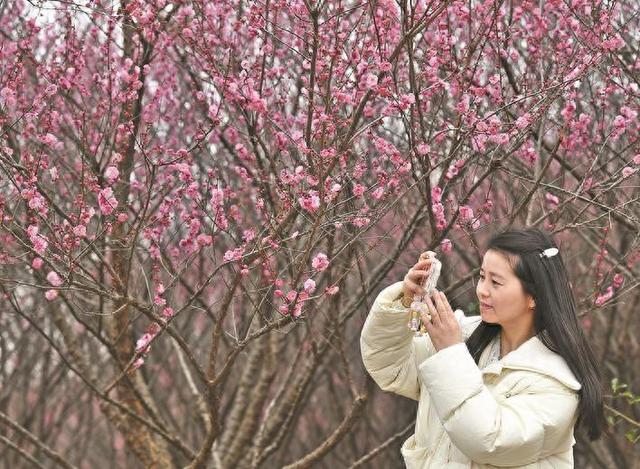
Core Viewpoint - The blooming of plum blossoms in Qingshui Bay Plum Blossom Garden in Chaohu City is attracting numerous tourists, enhancing local tourism and contributing to rural revitalization [3][7]. Group 1: Plum Blossom Garden Overview - Qingshui Bay Plum Blossom Garden covers over 1,000 acres and features more than 20 varieties of plum blossoms, with over 60% of the flowers currently in full bloom [3][6]. - The garden is recognized as "the first plum blossom garden in central Anhui" and offers a long viewing period from early February to mid-March [3][7]. Group 2: Visitor Experience - Tourists are enjoying the scenic beauty, taking photographs, and relaxing in the garden, which has been enhanced with new facilities such as viewing platforms and well-maintained walking paths [6][7]. - The garden's serene environment provides a retreat from urban life, contributing to a positive visitor experience [6][7]. Group 3: Economic Impact - The plum blossom season significantly boosts local tourism, benefiting nearby agritourism and providing job opportunities for local residents [7][8]. - The local government is focusing on ecological and green development, leveraging the plum blossom culture to create a unique tourism brand that integrates ecological tourism with rural revitalization [7][8].
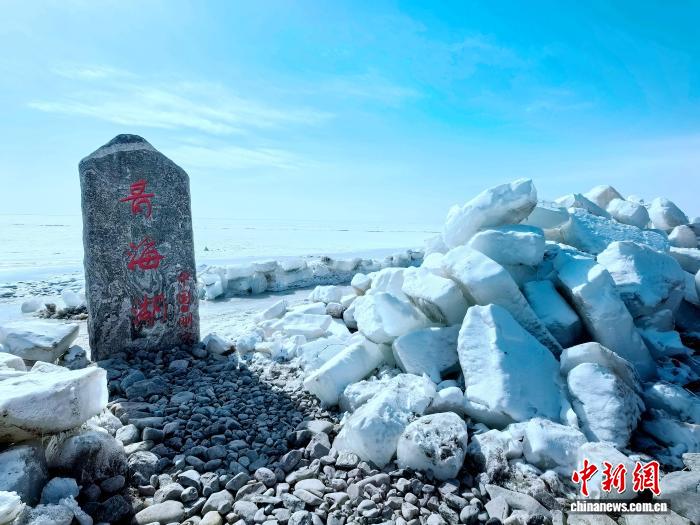
青海海北:草场、林地生态管护率达100%
Zhong Guo Xin Wen Wang· 2026-02-11 00:16
Group 1 - The core viewpoint of the article highlights that the ecological management rate of grasslands and forests in Haibei Prefecture, Qinghai Province, has reached 100% since the implementation of the first local ecological protection and restoration regulations in 2023 [1] - The comprehensive vegetation coverage of grasslands in Haibei Prefecture stands at 69.71% [1] - Haibei Prefecture is recognized as an important resource-rich area, a highland ecological tourism destination, and a hub of diverse ethnic cultures in Qinghai Province [1] Group 2 - In 2026, a total investment of 2.69 billion yuan will be initiated for the "Mountain and Water" project in the Qinghai Lake basin, focusing on the protection and management of key rivers such as the Heihe, Huangshui, and Datong rivers [2] - The prefecture plans to advance the construction of the Qilian Mountain and Qinghai Lake National Parks and develop an ecological bird-watching town at Bird Island [2] - The implementation of a 9,000-acre low-efficiency seabuckthorn forest renovation project aims to integrate multiple business models with 320,000 acres of seabuckthorn [2]
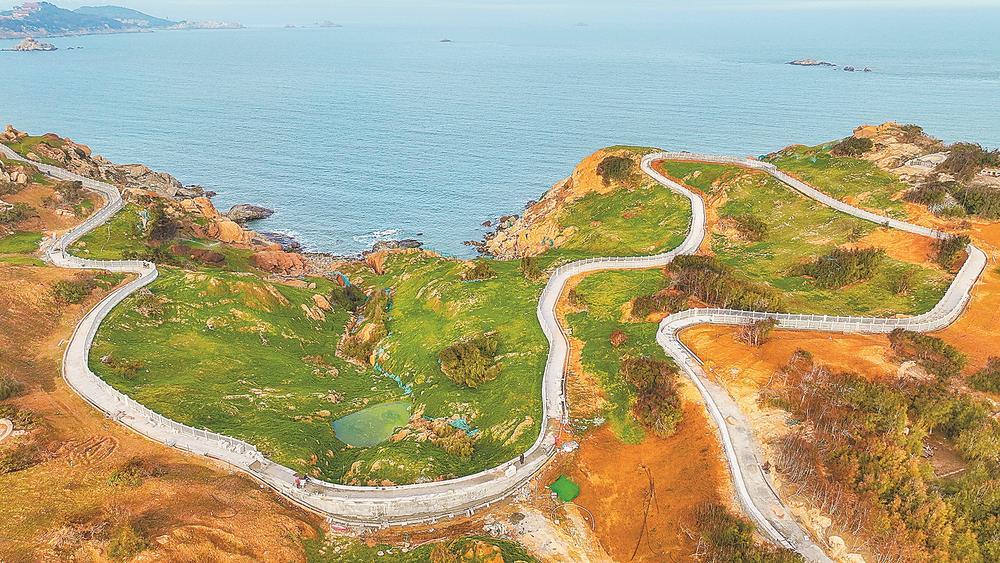
湄洲岛生态管护通道逐步成型
Xin Lang Cai Jing· 2026-02-11 00:11
Group 1 - The ecological management passage project on Meizhou Island is entering the final construction phase, featuring a total length of 10.87 kilometers, designed for both ecological management and tourism [2] - Completed sections of the management passage are well-integrated with the surrounding coastal ecological landscape, featuring smooth roads and stairways leading to the beach [2] - The ecological buffer zone plant restoration project is part of the marine ecological protection and restoration initiative, enhancing the green landscape of the "Garden Island" [2] Group 2 - The project aims to establish a comprehensive ecological safety barrier for the entire island, employing measures such as coastline protection, mangrove restoration, and the construction of coastal management passages [2] - The scenic advantages of the northern section of the project are highlighted, with roads designed in a circular layout connecting various tourist attractions along the coastline [2] - The initiative is expected to transform ecological beauty into a new advantage for tourism development, linking ecological landscapes with cultural and tourism resources [2]
湖南临湘长江村:碧水长流新渔歌
Xin Hua She· 2026-02-08 14:04
Core Viewpoint - The transformation of Changjiang Village from traditional fishing practices to eco-friendly tourism and agriculture has led to improved livelihoods for residents and environmental restoration [1][2][3] Group 1: Environmental Changes - The reliance on the Yangtze River for fishing has caused ecological damage, leading to a decline in fish populations and water quality due to overfishing and pollution [1] - The implementation of a new sewage treatment system and the closure of reed fields have contributed to the restoration of the river's ecosystem [2] Group 2: Economic Development - The village has shifted its focus to "beautiful economy" by cultivating over 2,000 acres of rapeseed, attracting tourists during the blooming season [2] - The establishment of agritourism, such as farm stays and local product sales, has resulted in an average annual income increase of 3,000 yuan for villagers [3] Group 3: Future Plans - The village plans to diversify its tourism offerings to extend the eco-tourism season throughout the year, ensuring sustainable economic growth [3]