练功服

Search documents
“结界兽”爬上练功服
Xin Lang Cai Jing· 2026-02-17 07:01
Group 1 - The article highlights the fusion of traditional practices with modern aesthetics, showcasing how ancient Chinese wellness techniques like Qigong can be presented in a fashionable manner through innovative designs [1][2] - The introduction of the "Boundary Beast" pattern from the Sanxingdui culture on modern Qigong attire symbolizes a connection between ancient heritage and contemporary wellness practices, enhancing the appeal of traditional exercises [1] - The discussion includes the potential future of personalized Qigong attire through 3D printing technology, which could create unique, body-fitting garments based on individual practice data, merging health and fashion [2] Group 2 - The article emphasizes the importance of maintaining cultural traditions while adapting them to modern lifestyles, suggesting that traditional practices can be revitalized in unexpected and enjoyable ways [2] - The narrative reflects a broader trend in the wellness industry where ancient practices are being reinterpreted to attract younger generations, thus ensuring their continued relevance [1][2] - The overall message conveys a sense of optimism and joy in embracing both heritage and innovation, particularly during the festive season, which resonates with the desire for a fulfilling and beautiful life [2]
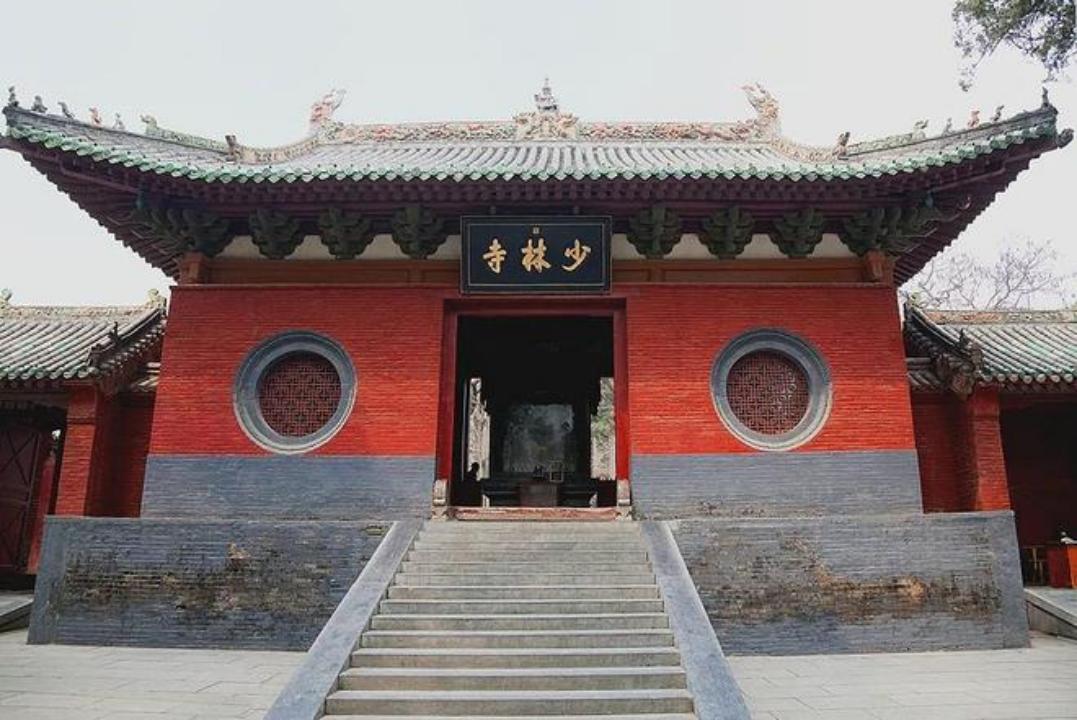
少林寺的商业版图:一座千年古刹的财富密码
3 6 Ke· 2025-07-30 03:32
Core Viewpoint - Shaolin Temple has transformed from a secluded place of worship into a vast commercial empire, leveraging its cultural IP across various sectors including tourism, education, and entertainment, while facing controversies regarding its commercialization and the balance between cultural heritage and business development [1][3]. Ticket Sales and Donations: Pillars of Faith Economy - Ticket revenue is a primary source of income for Shaolin Temple, with ticket prices set at 100 yuan per person since 2005, of which approximately 30 yuan goes to the temple [6][7]. - In 2017, the total ticket revenue for the scenic area reached 350 million yuan, with peak visitor numbers hitting 4.2 million in 2019, generating over 1.2 billion yuan in tourism-related income [7]. - Donations from visitors and believers, including high-end donation projects, also contribute significantly to the temple's income, with annual donations reportedly amounting to tens of millions [8][10]. Monk Performances: Wealth from Kung Fu Shows - Shaolin Temple has established a monk performance troupe, turning traditional martial arts into a commercial spectacle, with daily shows attracting numerous tourists [11][13]. - The troupe has performed over 200 shows globally each year, with income per show increasing from $100,000 to $500,000 in recent years [13]. - The temple also offers martial arts training, creating a substantial martial arts training economy and enhancing the Shaolin brand's international influence [13]. Cultural IP Operations: From Martial Arts Films to E-commerce Empire - Shaolin Temple has developed its cultural IP extensively, engaging in film collaborations and merchandise sales, creating a comprehensive IP commercialization system [14][15]. - The 1982 film "Shaolin Temple" marked the beginning of this commercialization, leading to partnerships with various media and the creation of derivative products [15][17]. - Shaolin Temple has registered over 900 trademarks across various categories, allowing it to monetize its brand through licensing agreements [17][18]. Overseas Expansion: Global Shaolin Network - Shaolin Temple has established cultural centers worldwide, starting with its first center in Berlin in 2001, and has since set up over 50 centers globally [24][26]. - These centers operate on a membership basis, generating significant income, such as over $3 million annually from the Los Angeles center alone [26]. - The temple has also invested in overseas real estate to create permanent cultural bases, enhancing its international cultural influence [26]. Capital Operations: Corporate Structure and Wealth Maze - Shaolin Temple has created a series of corporate entities to support its commercial operations, with the Shaolin Intangible Asset Management Company serving as the core platform [28][30]. - The company has made substantial investments across various sectors, although its initial ownership structure raised concerns about potential conflicts of interest [30][33]. - The temple's capital operations reflect a high degree of marketization, but also present challenges regarding profit distribution and transparency [33][35]. Controversies and Challenges: The Dual Effects of Commercialization - The commercialization of Shaolin Temple has sparked debates about the commodification of faith, with critics arguing that it undermines the essence of Buddhism [36][38]. - The public image of the temple's abbot, who has been likened to a CEO, has raised questions about the appropriateness of such a role within a religious context [38][41]. - Issues of financial transparency and potential corruption have been highlighted, particularly in light of recent investigations into the abbot's conduct [41][42]. Conclusion: The Modern Path of an Ancient Temple - Shaolin Temple's transformation into a commercial entity has brought both wealth and controversy, raising questions about the balance between cultural preservation and commercial interests [43][45]. - The temple's future direction remains uncertain, as it navigates the challenges of maintaining its spiritual integrity while engaging in commercial activities [45].