绿坝·花季护航

Search documents
西方终于有自己的绿坝·花季护航了
3 6 Ke· 2025-08-12 12:11
Group 1 - The article discusses the implementation of age verification laws in Western countries, drawing parallels to China's "Green Dam" initiative from 20 years ago [4][10][12] - The UK has enacted the Online Safety Act, requiring users to undergo age verification through methods such as photo identification, which has faced criticism for its effectiveness and privacy concerns [5][14] - Various countries, including the US and Australia, are also adopting age verification measures, with the US having 19 states implementing such laws and Australia banning social media access for users under 16 [10][12] Group 2 - Companies like YouTube and Google are actively developing age estimation technologies to comply with these new regulations, while Meta is engaged in debates over the responsibility of age verification [12][14] - The article highlights the criticism from privacy advocates regarding the potential risks to adult anonymity and personal data exposure due to these laws [14] - The ongoing global movement for online safety reflects a common human response to the challenge of protecting youth while balancing privacy and freedom [16][17]


西方终于有自己的“绿坝·花季护航”了
Hu Xiu· 2025-08-12 10:58
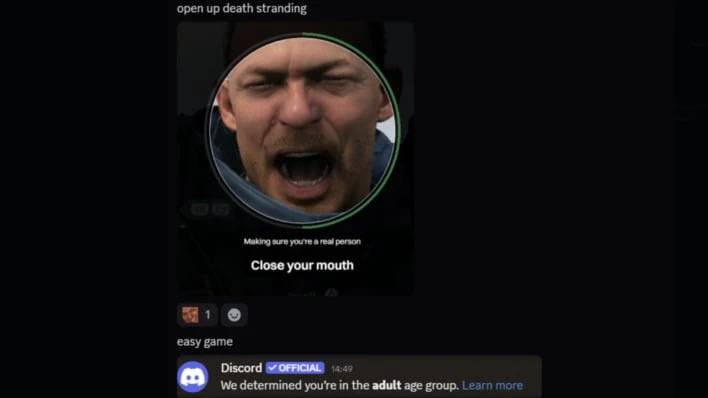
Core Viewpoint - The article discusses the implementation of age verification laws in Western countries, drawing parallels to China's past "Green Dam" initiative, highlighting the challenges and criticisms surrounding these regulations aimed at protecting minors online [2][20][36]. Group 1: Age Verification Laws - The UK has enacted the Online Safety Act, requiring users to undergo effective age checks to access adult content [3][16]. - Users must take a selfie for AI to determine their age, which raises privacy concerns as many prefer anonymity when accessing such content [5][8]. - Various methods to bypass these age checks have emerged quickly, including the use of VPNs and AI-generated fake IDs, indicating the ineffectiveness of the system [9][15]. Group 2: Global Trends - The U.S. has seen a shift with 19 states implementing age verification laws after a Supreme Court ruling overturned previous precedents [17]. - Australia has banned social media use for users under 16, while the EU is testing a digital identity system for age verification [18][19]. - Despite different approaches, the common goal across these regions is to protect children from harmful online content [20]. Group 3: Company Responses - YouTube has introduced age estimation technology to identify underage users and enhance protective measures [22]. - Google is implementing similar age estimation features in its accounts, while Meta is engaged in debates over age verification responsibilities [24][25]. - The overall trend indicates a significant push for online regulation targeting minors in Western countries [26]. Group 4: Public Sentiment and Criticism - There is skepticism regarding age verification laws, with critics arguing they threaten adult privacy and digital anonymity [29]. - Supporters assert that protecting children from harmful content is a governmental responsibility, suggesting that technological risks can be mitigated [30]. - The article emphasizes the ongoing cat-and-mouse game between regulatory measures and users seeking to bypass them, reflecting a universal struggle across different regions [31][32].