职业培训补贴

Search documents
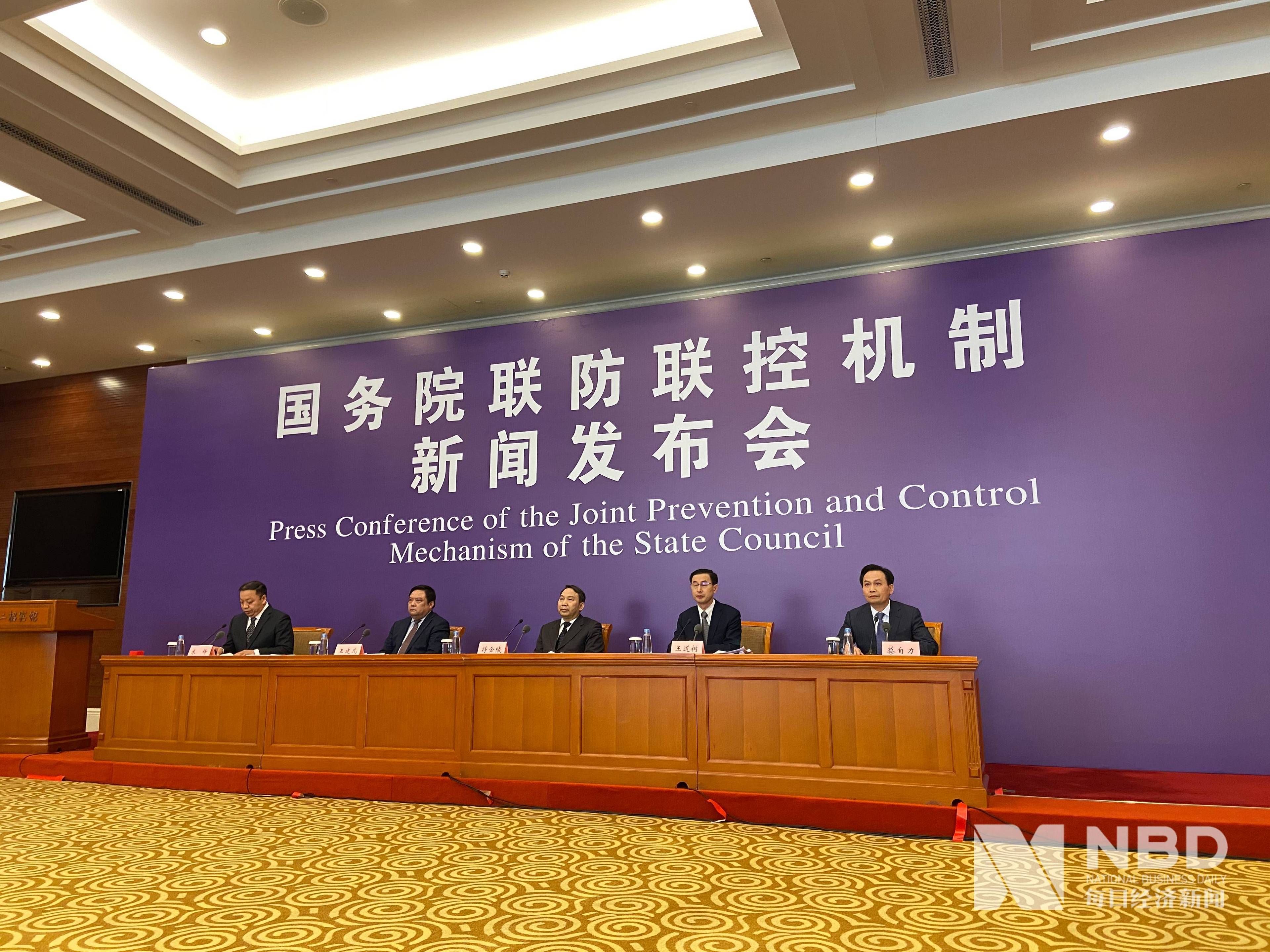
财政部:三项社保阶段性降费后,预计年内可减轻企业负担5100多亿
Mei Ri Jing Ji Xin Wen· 2025-11-24 08:07
Core Points - The Chinese government is implementing fiscal and tax policy support to aid the resumption of work and production, particularly for small and micro enterprises facing financial difficulties [5][6] Group 1: Tax and Social Insurance Relief - The government is reducing the financial burden on enterprises by implementing tax reductions and social insurance fee exemptions, which are expected to alleviate the burden by over 5.1 billion yuan in 2020 [5] - Additionally, the reduction of the enterprise pension insurance contribution rate from 20% to 16% will contribute to a total relief of over 1 trillion yuan in social insurance fees for the year [5] Group 2: Government Support Measures - The government is relaxing the standards for unemployment insurance and increasing the intensity of unemployment insurance subsidies for small and micro enterprises during the pandemic [6] - There is also an emphasis on providing vocational training subsidies, including online training, to support enterprises during their recovery phase [6] Group 3: Financing Cost Reduction - The government is increasing the scale of interest subsidies and providing financial support for special loans to key enterprises, ensuring that the actual financing cost does not exceed 1.6% [6] - Current data indicates that the actual financing costs for enterprises are even lower than this threshold [6]

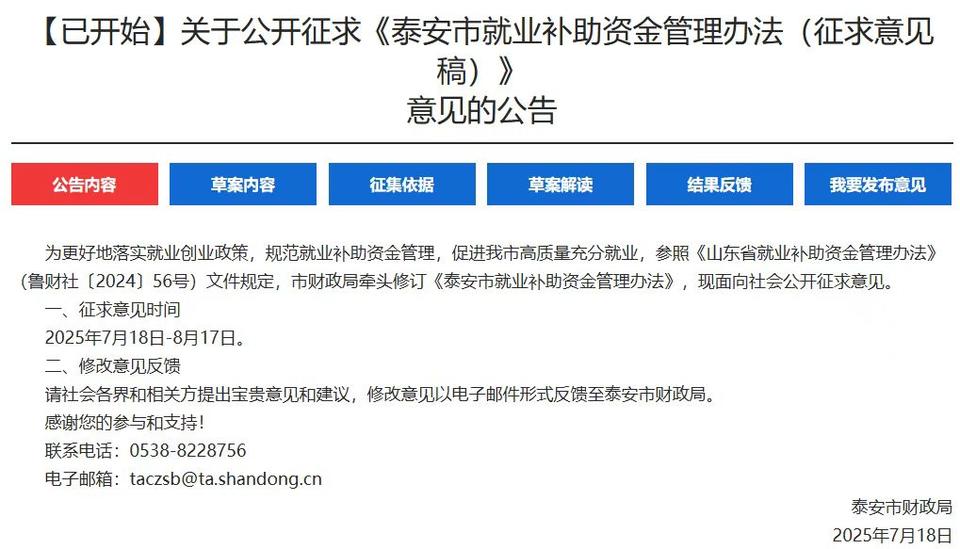
泰安就业补助资金管理办法征求意见,多项补贴政策有调整
Qi Lu Wan Bao Wang· 2025-07-22 06:02
Core Points - The announcement from the Tai'an Finance Bureau seeks public feedback on the draft management measures for employment subsidy funds, aimed at promoting high-quality and sufficient employment [1][3] - The employment subsidy funds are established by county-level and above governments, managed by finance and human resources departments, and are allocated through the general public budget [3] Summary by Sections Objectives and Principles - The measures aim to standardize the management of employment subsidy funds and are based on national and provincial regulations [3] - The management principles include inclusivity, targeted support, a combination of rewards and incentives, and enhancing efficiency [3] Fund Allocation and Types - Employment subsidy funds are categorized into two types: subsidies for individuals and units, and public employment service capacity building subsidies [3] - Individual and unit subsidies cover vocational training, skill evaluation, and social insurance, while capacity building includes employment service and high-skilled talent training subsidies [3] Policy Adjustments - The revised measures expand the target groups for vocational training subsidies from five to six categories and change vocational skill certification subsidies to skill evaluation subsidies [3] - The employment internship subsidy is raised to 60% of the local minimum wage, with an additional 10% increase for units retaining over 50% of interns after the internship [3] Specific Subsidy Details - One-time entrepreneurial subsidies are clarified for recent graduates and unemployed individuals starting small businesses or individual operations, with specific amounts for different conditions [4] - The cap for insurance subsidies for home service workers is set at 100 yuan per person per year [4] Fund Usage Restrictions - The measures specify prohibited uses of the funds, including office construction, staff salaries, and subsidies for in-service personnel [4] - The fund distribution combines factor and project methods, considering performance and financial adjustment coefficients to support regions with high-quality employment [4] Application and Supervision - The application process will utilize a provincial employment information system to streamline procedures and reduce paperwork [4] - Budget performance management will be implemented, with an emphasis on transparency and accountability [4]