
企业减负

Search documents
为企业减负 北京超九成税费事项实现“网上办”“掌上办”
Sou Hu Cai Jing· 2025-11-30 01:53
Core Insights - Beijing is focusing on reducing the overall costs for enterprises and enhancing service levels, achieving 97% of tax matters and 99% of tax declarations online, with non-on-site inspections accounting for 70.1% [1][2] - The city has implemented a series of policies to support small and medium-sized enterprises, including financial services and technological innovation, with a total of 32,000 supportive policies recorded in the policy database [1][2] Group 1: Cost Reduction and Administrative Efficiency - Beijing has conducted special rectifications on illegal charges related to enterprises, particularly in heating, ports, banks, and industry associations, ensuring refunds where necessary [1] - The city has optimized tax services to facilitate small and micro enterprises in tax payment and compliance [1] Group 2: Policy Support and Service Enhancement - The city has released four batches of funding guidelines for high-tech industries and small and medium enterprises, aimed at structural adjustment and enhancing technological innovation capabilities [1] - The "Director and Minister Live Broadcast" initiative has been launched to explain new policies, with eight sessions held this year, averaging over 1 million views across multiple platforms [2] Group 3: Regulatory Reform and Business Environment - Beijing is deepening integrated comprehensive regulatory reforms, promoting flexible law enforcement, and has compiled a list of over 920 non-penalty items [2] - The "One Network for All Services" reform is advancing, with city and district-level matters achieving full online processing [2] Group 4: Future Directions - The city plans to focus on improving the business environment, reducing burdens, increasing vitality, and strengthening services to enhance support for enterprises and contribute to stable economic growth and high-quality development [2]
2025年全国企业负担调查评估报告发布:企业综合成本负担较上年减轻
Xin Hua Cai Jing· 2025-11-25 08:34
Core Insights - The Ministry of Industry and Information Technology's report indicates a reduction in the overall cost burden for enterprises in 2023 compared to the previous year, positively impacting business operations and confidence [1] Group 1: Cost Burden Assessment - The report is based on a survey of over 20,000 enterprises across 31 provinces, assessing the effectiveness of cost-reduction measures [1] - Key policies supporting the manufacturing sector have resulted in tax reductions and refunds totaling approximately 1.3 trillion yuan from January to August [1] - The proportion of enterprises feeling the burden of taxes and fees has decreased by 3 percentage points compared to last year, with overall cost burdens in raw materials, labor, logistics, and energy also showing varying degrees of relief [1] Group 2: Future Expectations - A significant 57% of enterprises express a desire for further reductions in value-added tax, while 55% seek lower corporate income tax rates, and 37% wish for decreased costs related to energy and land [2] - Enterprises recommend that the government enhance efforts to optimize the business environment by regulating administrative actions, improving the direct benefits of cost-reduction policies, and supporting digital transformation initiatives [2]
财政部:三项社保阶段性降费后,预计年内可减轻企业负担5100多亿
Mei Ri Jing Ji Xin Wen· 2025-11-24 08:07
Core Points - The Chinese government is implementing fiscal and tax policy support to aid the resumption of work and production, particularly for small and micro enterprises facing financial difficulties [5][6] Group 1: Tax and Social Insurance Relief - The government is reducing the financial burden on enterprises by implementing tax reductions and social insurance fee exemptions, which are expected to alleviate the burden by over 5.1 billion yuan in 2020 [5] - Additionally, the reduction of the enterprise pension insurance contribution rate from 20% to 16% will contribute to a total relief of over 1 trillion yuan in social insurance fees for the year [5] Group 2: Government Support Measures - The government is relaxing the standards for unemployment insurance and increasing the intensity of unemployment insurance subsidies for small and micro enterprises during the pandemic [6] - There is also an emphasis on providing vocational training subsidies, including online training, to support enterprises during their recovery phase [6] Group 3: Financing Cost Reduction - The government is increasing the scale of interest subsidies and providing financial support for special loans to key enterprises, ensuring that the actual financing cost does not exceed 1.6% [6] - Current data indicates that the actual financing costs for enterprises are even lower than this threshold [6]

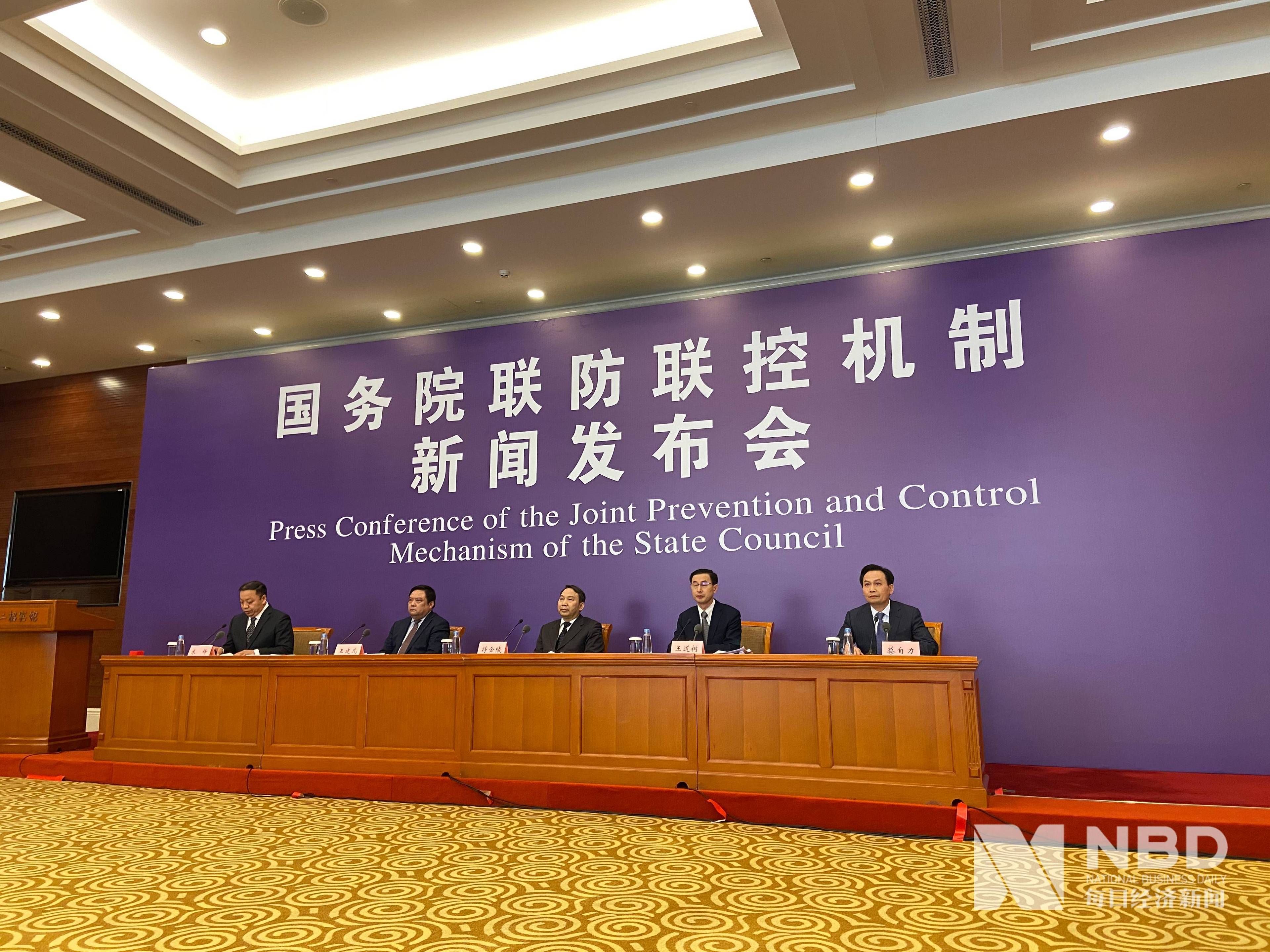
调查:德国经济复苏乏力 企业信心持续低迷
Zhong Guo Xin Wen Wang· 2025-11-06 17:04
Economic Outlook - The DIHK's economic survey indicates that despite government reforms, there are no signs of recovery in the German economy, with business confidence remaining low [1] - The survey, covering approximately 23,000 companies, predicts stagnation for 2023 and only a slight growth of 0.7% in 2024, which is significantly lower than most economists' forecasts [1] - The German economy is expected to experience two consecutive years of recession, with a slight growth anticipated in 2025 and a potential growth rate exceeding 1% in 2026 [1] Business Investment Sentiment - The DIHK economic climate index has decreased by 1 point to 93.8, indicating a persistently pessimistic outlook [1] - Only 15% of surveyed companies expect economic conditions to improve in the next 12 months, while a quarter anticipate worsening conditions [1] - Investment intentions remain low, with only one-fifth of companies planning to increase investments and one-third intending to cut back on investments [1] Labor Market Conditions - The labor market is facing challenges, with only 10% of companies planning to hire more employees, while 25% are considering layoffs [2] - A significant 56% of companies identify labor costs as a major operational risk, influenced by rising social insurance contributions and recent minimum wage increases [2] - The DIHK CEO emphasizes the need for the government to accelerate efforts to reduce burdens on businesses to restore confidence [2]
北京市人大常委会审查批准2024年市级决算
Sou Hu Cai Jing· 2025-07-26 00:26
Group 1 - The city's general public budget revenue for 2024 is projected to grow by 3.1%, with a focus on supporting key areas such as technology innovation and manufacturing through tax reductions and refunds exceeding 150 billion yuan [1][2] - In 2023, the city's general public budget revenue reached 637.27 billion yuan, marking a 3.1% increase, with tax revenue accounting for 85.9% of total fiscal income, maintaining the highest quality nationwide [1] - Total public budget expenditure for the city reached 839.65 billion yuan in 2023, an increase of 5.3%, with a focus on essential services including education, employment, social security, healthcare, and elderly care [1][2] Group 2 - The government issued 121.6 billion yuan in new bonds to support major projects in housing renovation and transportation infrastructure, and introduced project capital funding for new infrastructure projects [2] - The average guarantee fee rate for small and micro enterprises has been reduced to below 1%, with over 330 technology innovation guarantee businesses established, amounting to financing exceeding 500 million yuan [2] - The city has implemented policies to lower unemployment insurance rates and has created 299,000 new urban jobs, while also enhancing the social security system by raising the minimum living standard to 1,450 yuan per month [2]
把企业负担减到实处(人民时评)
Ren Min Ri Bao· 2025-05-06 22:02
Group 1 - The core idea emphasizes the importance of a proactive government that not only takes action but also ensures that the actions are effective and targeted, thereby instilling confidence and vigor in the market [1][4] - Various local governments, such as Zhejiang and Shanghai, are implementing measures to reduce the operational burdens on enterprises, including lowering inspection frequencies and introducing automatic subsidies for eligible businesses [2][3] - The need for a shift in mindset among government officials is highlighted, where the focus should be on providing support and solutions to businesses rather than merely conducting inspections, which can create additional pressure [3][4] Group 2 - The article discusses the significance of enhancing governance capabilities to streamline processes and reduce unnecessary bureaucratic hurdles for enterprises, promoting a more efficient regulatory environment [2][3] - It is noted that a balanced approach is necessary, where different types of enterprises receive tailored support based on their specific needs and circumstances, avoiding a one-size-fits-all strategy [3] - The relationship between an effective market and a proactive government is underscored, with the goal of creating an economic order that allows for both flexibility and regulation [4]