
腰鼓

Search documents
盐城阜宁:民俗踩街,年味拉满!
Xin Lang Cai Jing· 2026-02-20 03:08
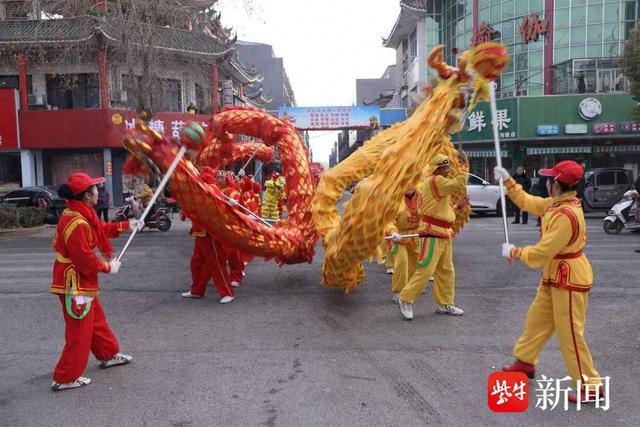
Core Viewpoint - The event "Folk Custom Street Parade for the New Year" held in Goudu Town, Yancheng City, showcases traditional folk culture through various performances, enhancing community engagement and celebrating the Spring Festival [1][4]. Group 1: Event Overview - The parade featured over 200 local villagers dressed in traditional costumes, performing 15 types of folk art including dragon and lion dances, folk matchmaking, and various traditional dances [3]. - The procession started from the town government and moved through key streets, attracting over 10,000 residents who stopped to watch and interact, creating a lively atmosphere [3]. Group 2: Cultural Significance - This event has been held for three consecutive years and has become a cultural highlight during the Spring Festival in Goudu Town, reflecting the community's anticipation for this folk celebration [4]. - The performances, including dragon and lion dances, vividly demonstrate the unique charm of China's intangible cultural heritage, while traditional programs like yangge and waist drum performances immerse the audience in the festive spirit [4]. Group 3: Community Impact - The event aims to promote excellent traditional culture, showcase regional development achievements, enrich villagers' cultural lives, and enhance community happiness [6].

新春走基层丨拳风飒飒唤精神
He Nan Ri Bao· 2026-02-17 23:07
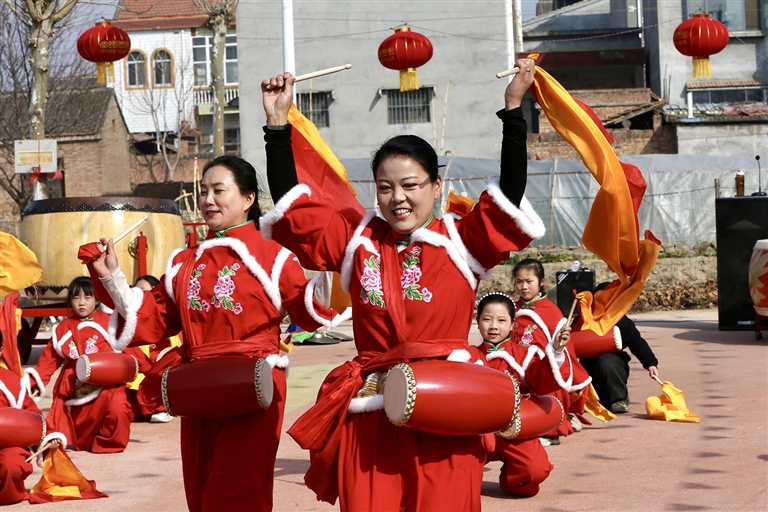
Core Viewpoint - The article highlights the revival of traditional martial arts and cultural activities in Dong Xibei Village, which fosters community spirit and strengthens local ties among residents, particularly benefiting the youth and enhancing cultural heritage [1][2][3]. Group 1: Community Engagement - The village has established three cultural teams: the Hong Quan team, the lion dance team, and a newly formed waist drum team, engaging villagers aged 6 to 70 [2]. - Regular training sessions and performances are organized, with the village committee providing uniforms and equipment, ensuring ongoing participation and skill development [2]. Group 2: Youth Development - The cultural activities have created a positive environment for left-behind children, providing them with supervision and cultural education, which helps in their healthy growth [2]. - Many parents have joined volunteer efforts, contributing to a supportive community atmosphere where everyone participates and helps each other [2]. Group 3: Cultural Revival - The revival of traditional practices has led to increased social interactions among villagers, restoring a sense of community and warmth that had diminished in recent years [3]. - Participants report a sense of achievement and fulfillment from their involvement in these activities, contrasting with the distractions of electronic devices [3].
【欢歌赞劳动 奋进迎新年】“职工演、职工看”的非遗盛宴
Xin Lang Cai Jing· 2025-12-31 20:03
Core Viewpoint - The event held in Yulin City showcased the rich cultural heritage of Shaanxi through various traditional performances, emphasizing the importance of non-material cultural heritage (intangible cultural heritage) in the workforce and community engagement [1][2] Group 1: Event Overview - The Yulin City Workers' Cultural Palace hosted a non-material cultural heritage performance on December 29, 2025, featuring traditional Shaanxi performances such as the original storytelling "Chinese Dream: The Beauty of Labor" [1] - The event included a variety of performances like dance, songs, and instrumental music, creating a festive atmosphere and highlighting the unique charm of traditional non-material cultural heritage [1] Group 2: Training and Participation - Yulin, known as the cradle of Loess culture, has numerous non-material cultural heritage projects, including folk songs, stone carving, paper-cutting, and embroidery [2] - The Yulin City Federation of Trade Unions initiated a four-month public training program titled "Craftsmanship Passes the Torch, Non-material Heritage Shines in Camel City" starting September 15, 2025, which attracted 330 participants [2] - The training program included six courses on non-material heritage, taught by inheritors of these traditions, providing participants with a platform to showcase their skills [2]