腾讯云 TI 平台

Search documents
腾讯按下AI加速键,人才、组织、开源动作密集
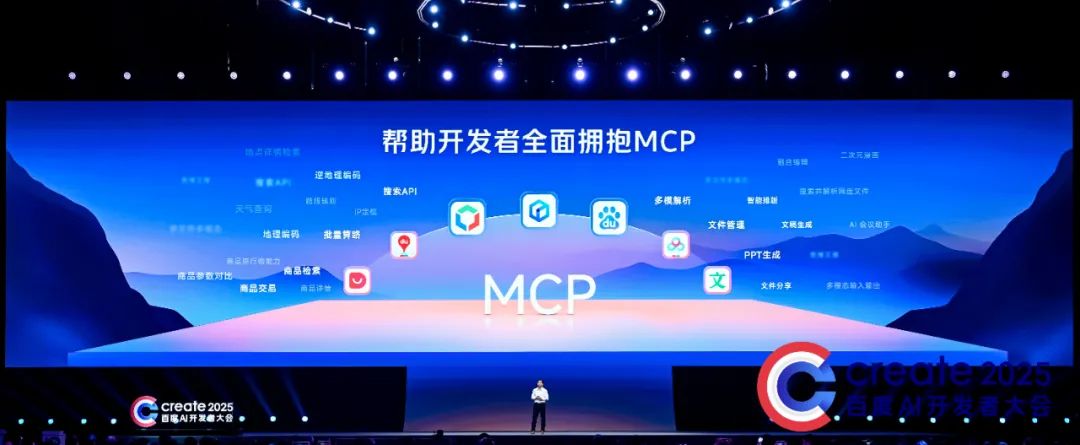
机器之心· 2025-12-25 05:26
Core Insights - Tencent is accelerating its AI initiatives, moving from a cautious approach to a more aggressive strategy by enhancing talent acquisition, product iteration, and organizational changes [2][4][24] Group 1: Talent Acquisition and Organizational Changes - Tencent has appointed former OpenAI researcher Vinces Yao as the Chief AI Scientist, reporting directly to the president, indicating a strategic focus on AI development [2] - The company has restructured its AI research framework by establishing new departments such as AI Infra and AI Data, aimed at strengthening its research capabilities [4] Group 2: Model Development and Technological Advancements - Tencent has released the first real-time interactive mixed universe model, WorldPlay 1.5, and has shown significant advancements in its mixed models, with the latest version achieving a threefold increase in modeling accuracy [5][9] - The mixed model series has seen over 3 million downloads, highlighting its popularity and effectiveness in the 3D generation space [9] Group 3: Engineering and Infrastructure Enhancements - The newly formed AI Infra department is crucial for building distributed training and high-performance inference services, enhancing the overall model capabilities [9] - Tencent has improved its model training performance by 30% through optimizations in its underlying infrastructure, addressing engineering challenges effectively [12] Group 4: Application and Market Implementation - Tencent's AI capabilities have been successfully implemented across various sectors, including finance, media, and healthcare, demonstrating significant efficiency improvements [22][23] - For instance, in the insurance sector, AI has reduced claim processing times from 3-5 days to under 3 minutes, showcasing the transformative impact of AI on operational efficiency [22] Group 5: Future Outlook and Challenges - Tencent is building a tightly integrated AI ecosystem, but it faces challenges in maintaining agility within its large ecosystem and balancing engineering certainty with exploratory innovation [25]



MCP:AI时代的“万能插座”,大厂竞逐的焦点
3 6 Ke· 2025-04-29 08:11
Core Insights - The emergence of the Model Context Protocol (MCP) is reshaping the AI landscape, providing a standardized interface for large models and clients to efficiently access external data sources and tools, thus enhancing the capabilities of AI agents [1][16] - Major tech companies like Baidu, Alibaba, Tencent, and ByteDance are actively developing the MCP ecosystem, which is transforming the development paradigm of AI applications and the competitive dynamics of the tech industry [1][16] Group 1: MCP Overview - MCP is likened to a universal connector for AI applications, enabling seamless integration with external tools and data sources, significantly improving development efficiency and operational costs [2] - The protocol allows for a modular approach to AI development, where developers can easily assemble complex functionalities by utilizing various external services [2] Group 2: Company Strategies - Baidu is rapidly advancing in the MCP space, launching multiple MCP servers for e-commerce and search functionalities, thereby enhancing developer capabilities and application intelligence [3][5] - Alibaba is building a comprehensive MCP ecosystem through its Baidian MCP platform, offering over 50 pre-configured services and integrating core applications like Alipay and Gaode Map to create a robust collaborative environment [5] - Tencent focuses on integrating MCP within its WeChat ecosystem, facilitating the incorporation of AI capabilities into social and payment applications, thus enhancing user experience [7] - ByteDance's Coze Space is emerging as a strong player by leveraging MCP to create a powerful AI agent platform capable of automating complex tasks through external tool integration [9] Group 3: Future of MCP - The MCP ecosystem is still in its early stages, with competition among companies centered on ecosystem development, but differences in implementation may lead to fragmentation [16] - As the standardization of MCP progresses and the demand for interoperability increases, there is potential for collaboration and integration among different MCP ecosystems [16] - The evolution of MCP will likely incorporate new technologies such as quantum computing and blockchain, expanding its capabilities and applications [16]