膜

Search documents
泰和新材(002254) - 2025年12月23日投资者关系活动记录表
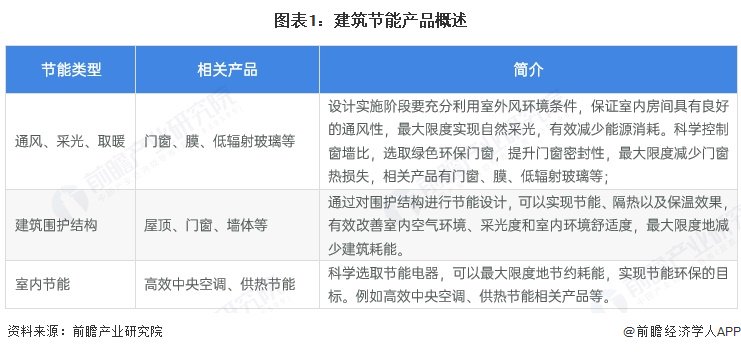
2025-12-23 04:50
Group 1: Industry Overview - The expansion cycle for the spandex industry is nearing its end, with significant growth occurring primarily between 2019 and 2020, driven by a low-cost strategy [2] - The company focuses on differentiated products, particularly coarse denier yarns, while competitors are moving towards finer denier yarns [2] - The main customers for coarse denier yarns are in the textile sector, including lace and webbing applications [2] Group 2: Demand Trends - The demand for spandex is closely linked to the growth of yoga and sportswear, indicating a stable downstream market primarily in textiles and apparel [3] - The concentration in the spandex industry is relatively high, and its impact on overall clothing prices is minimal due to its low proportion in textile applications [3] Group 3: Competitive Landscape - The competitive landscape in the aramid fiber sector has become more complex, with both large and small manufacturers entering the market [3] - The company maintains a leading position in terms of production capacity, cost, and market share [3] Group 4: Product Applications and Innovations - Aramid fibers are used in niche applications such as special energy storage, backup power for data centers, and high-performance environments [3] - The company has four divisions focusing on advanced textiles, security and information technology, new energy, and chemical materials, with ongoing experimental projects in textile recycling and safety materials [4]

2025年中国建筑节能行业产品发展现状 多种产品共同构建建筑节能循环生态【组图】
Qian Zhan Wang· 2025-06-20 08:48
Core Insights - The rapid urban construction in China has led to increased energy consumption in the building industry, necessitating the promotion of green building energy-saving products to mitigate high energy consumption and support the development of energy-efficient construction projects [1][2]. Industry Overview - The building energy-saving industry in China is characterized by a growing market for energy-efficient products, driven by the need to address high energy consumption in construction projects [1]. - Key companies in the industry include China National Materials Group Corporation (中材节能), Beixin Building Materials (北新建材), and others [1]. Energy-Saving Product Types - **Ventilation, Lighting, Heating**: Products such as doors, windows, membranes, and low-emission glass are designed to optimize natural ventilation and lighting, thereby reducing energy consumption [3]. - **Building Envelope Structures**: Energy-saving designs for roofs, doors, and walls improve insulation and reduce energy use, enhancing indoor air quality and comfort [3]. - **Indoor Energy Efficiency**: High-efficiency central air conditioning and heating systems are essential for minimizing energy consumption [3]. Market Size and Growth - The Chinese central air conditioning market has seen continuous growth, with sales reaching 142.9 billion yuan in 2023, an increase of 11.1% year-on-year, and projected to reach 145.8 billion yuan in 2024 [4]. - The production of laminated glass, known for its excellent thermal insulation properties, reached 14.71 million square meters in 2023, with expectations to exceed 15 million square meters in 2024 [5]. Importance of Windows and Doors - Windows and doors are critical components affecting building energy efficiency, accounting for approximately 45%-50% of energy loss in building envelopes [9]. - Poor insulation performance of existing windows leads to significant energy waste, with single-glazed windows causing heat loss of 30%-50% during winter and contributing to 20%-30% of cooling loads in summer [9]. Heating Energy Efficiency Market - Investment in urban heating systems is closely linked to building energy efficiency, with a focus on high-efficiency heating system upgrades and energy-saving optimization of building envelopes [11]. - The fixed asset investment in urban centralized heating has fluctuated between 30-40 billion yuan from 2019 to 2022, with projections for 2024 nearing 40 billion yuan [11].