自动胰岛素输送系统(AID)

Search documents
独立上市!美敦力剥离业务
思宇MedTech· 2026-02-25 08:52
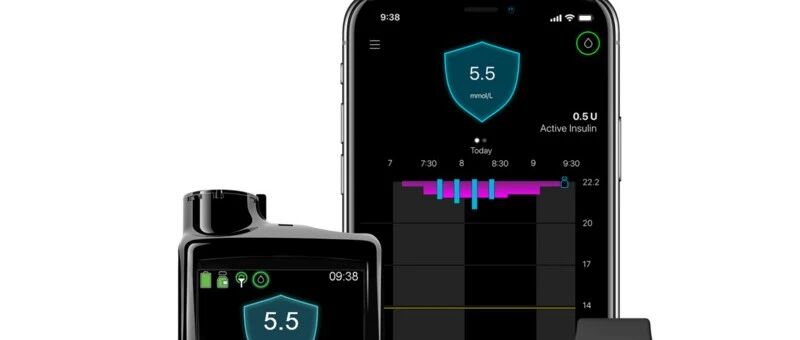
Core Viewpoint - Medtronic's MiniMed diabetes business is moving towards an IPO with a pricing range of $25–28 per share, aiming to raise up to $784 million, indicating a shift in the diabetes device industry towards independent platform pricing [2][3] Group 1: IPO Details - The IPO pricing is determined by comparable company valuations, current market sentiment, and roadshow demand, aiming for a successful fundraising while ensuring attractiveness to new investors [3] - The IPO marks the formal entry of the spin-off plan initiated in 2024 into the capital market, signaling a transition in the diabetes device sector from internal business models to independent pricing platforms [3] Group 2: Business Overview - MiniMed is not just a single product line but a comprehensive platform for diabetes management, with its core product, MiniMed 780G, being an automated insulin delivery system that integrates insulin pumps, continuous glucose monitoring (CGM), and algorithm control [4] - MiniMed holds a leading position in the integrated system market, with over 50% market share and more than 640,000 global users as of 2025, while its revenue model has shifted to 83% coming from consumables and software services, creating a recurring cash flow structure [4] - The business is in a "growth recovery phase," with fiscal year 2025 revenue reaching $2.75 billion, a year-on-year increase of 10.7%, and a continued revenue growth of 13.8% in the first half of fiscal year 2026, alongside narrowing losses [4][5] Group 3: Technological Shift - The industry is transitioning from focusing on individual devices to integrated systems, with the competitive core now centered on system integration capabilities rather than just hardware performance [7] - Companies like Dexcom and Abbott focus on CGM, while MiniMed emphasizes pump and algorithm integration, highlighting the importance of stable and reliable closed-loop control for long-term patient management [7] Group 4: Strategic Implications of Spin-off - The spin-off is part of Medtronic's strategy to streamline its business structure, focusing on high-profit areas while allowing MiniMed to operate independently and pursue growth in the diabetes sector [8][9] - MiniMed's value was diluted within Medtronic's broader business structure, but as an independent entity, it can now target specialized companies, potentially leading to a shift from "comprehensive discount" to "sector premium" in valuation [9] Group 5: Industry Evolution - The IPO signifies a deeper structural change in the industry, moving from product competition to system competition, with MiniMed's independence allowing for more agile strategies in product iteration and market engagement [11] - The power dynamics within the industry are shifting, with CGM manufacturers controlling data entry and pump manufacturers managing execution, while the true value is concentrated in closed-loop control systems [11] - The medical device industry is transitioning from a diversified group model to a specialized platform company model, with more niche businesses being spun off and entering the capital market with clearer technological paths and business models [11] Group 6: Implications for Chinese Medical Device Companies - The entry barriers are rising significantly, as the focus shifts from single products to system capabilities, necessitating strategic choices among CGM, insulin pumps, or closed-loop systems [13] - Companies must establish sustained capabilities around their chosen technological path rather than spreading resources thin across multiple directions [13] - The logic for international expansion is changing, with a greater emphasis on system integration and long-term service capabilities rather than just product registration and channel sales [13]


冲刺IPO!美敦力糖尿病子公司
思宇MedTech· 2025-12-22 09:10
Core Viewpoint - Medtronic's MiniMed Group has filed for an IPO with the SEC, marking a significant structural capital adjustment for the company. This carve-out IPO reflects a proactive restructuring around differing growth trajectories rather than a simple asset divestiture [1][2]. Timeline of the Carve-Out Event - The decision for MiniMed's independent listing was not made overnight but followed a gradual signaling and phased approach. This timeline helps to understand the background and pace of the IPO [2]. - Early 2024: Medtronic's management first indicated an evaluation of the long-term positioning of the diabetes business within the group structure, highlighting significant differences in business model, growth pace, and capital attributes compared to other high-value device segments [3]. - Mid-2024: Medtronic confirmed its intention to pursue a carve-out strategy for the diabetes business, positioning MiniMed for potential independent listing [4]. - Late 2024: MiniMed officially submitted its IPO registration statement to the SEC, marking the transition from strategic planning to actual execution [4]. MiniMed's Positioning - MiniMed is not a poorly performing segment; rather, it operates under a different growth logic compared to Medtronic's overall performance, which has shown a steady but slowing growth rate [5][8]. - The growth model for MiniMed is based on patient scale, usage duration, consumable repurchase, and system stickiness, which are typical characteristics of chronic disease management businesses [9]. Reasons for the Carve-Out - The financial presentation of MiniMed within Medtronic's consolidated statements posed challenges, as its stable but lower growth rate could dilute the overall growth elasticity of the group [10][12]. - The carve-out allows for clearer financial communication and enhances the capital market's ability to evaluate MiniMed based on its long-term patient value rather than annual revenue fluctuations [12][19]. Product and Technology Strategy - MiniMed is not just a single device company; it has developed a comprehensive solution around insulin delivery and glucose monitoring, including the automated insulin delivery system (AID) [13][15]. - The technology strategy focuses on reliability, stability, and long-term user experience rather than aggressive disruptive innovation, which is advantageous in chronic disease management [16]. Implications for Medtronic - The separation of MiniMed does not indicate Medtronic's exit from the diabetes sector but rather aims to reduce structural friction and clarify the growth narratives of different business segments [17]. - The carve-out is a rational choice for a mature medical device company entering a phase of stock competition, allowing for better alignment of business growth stages [17][20].