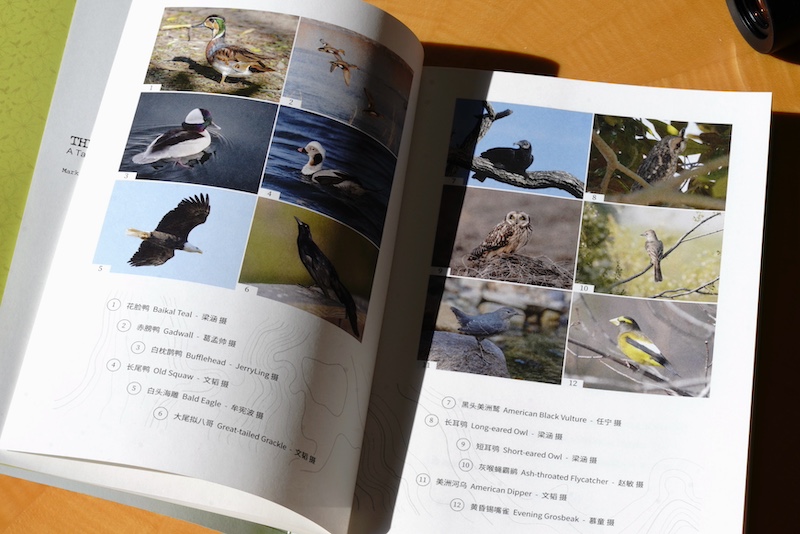
自然和沉迷观鸟的故事》

Search documents
那一年,一个百万富翁决定跑遍北美大陆观鸟|新年书摘
Di Yi Cai Jing· 2026-02-22 05:42
Core Idea - The article discusses the unique and competitive nature of the "Big Year" birdwatching event in North America, highlighting the experiences of participants who dedicate an entire year to spotting as many bird species as possible, driven by passion and the thrill of competition [11][10]. Group 1: Event Overview - The "Big Year" is an informal competition where participants aim to see the most bird species in North America within a year, without formal rules or judges [10][9]. - The event is characterized by high costs associated with travel, equipment, and time, as participants often spend hundreds of dollars on flights, car rentals, and accommodations [15][4]. - The year 1998 was particularly notable due to the El Niño phenomenon, which led to unusual bird sightings and heightened competition among birdwatchers [11][1]. Group 2: Participant Experiences - Sandy Komito, a key participant, plans to dedicate 270 days of the year to birdwatching, traveling extensively across various states to track rare species [4][5]. - The article describes the camaraderie and competition among birdwatchers, emphasizing the importance of trust and credibility in reporting sightings [19][20]. - Komito's first sighting of the year is a "doomed pigeon," illustrating the mix of excitement and disappointment that can accompany the event [7][9]. Group 3: Birdwatching Community - The birdwatching community is depicted as passionate and competitive, with participants often sharing tips and sightings, creating a network of mutual support [19][20]. - The article highlights the social aspect of birdwatching, where participants not only compete but also enjoy the shared experience of seeking rare birds [27][28]. - The presence of advanced optical equipment among birdwatchers signifies the seriousness and dedication of the community [27].

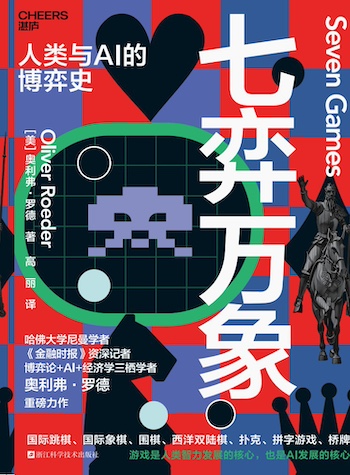
为什么AI打桥牌赢不了人类?|荐书
Di Yi Cai Jing· 2026-02-04 05:52
Group 1 - The core argument of the article is that games are not only crucial for human intellectual development but also serve as a fundamental aspect of AI advancement [1][2] - The book explores seven games, including chess and Go, highlighting how AI has evolved from a novelty to a formidable opponent in these domains [2][3] - The author emphasizes that the victory of AI in games like Go represents a significant shift in the perception of human intelligence, as AI now dominates discussions around optimal strategies [2][3] Group 2 - In the context of checkers, AI breakthroughs were achieved through a combination of brute-force computation and endgame databases, ultimately surpassing human champions [3] - The book identifies bridge as the only game where human play still outperforms AI, illustrating the challenges AI faces in understanding human nuances such as teamwork and psychological strategies [5] - The author suggests that understanding the limitations of AI can provide insights into human uniqueness, including emotions, creativity, and the courage to navigate uncertainty [5]