自然堂极地圣水

Search documents
成为拉动城市旅游的“招牌菜”“新坐标” 走进免税店看消费新潮流
Ren Min Ri Bao· 2025-12-22 01:07
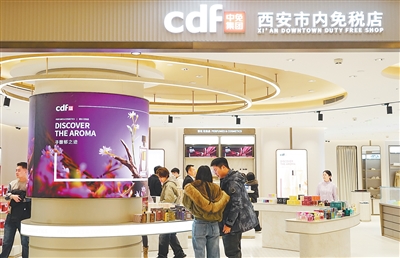
Core Viewpoint - The recent implementation of the new policies regarding duty-free shops aims to enhance consumer attraction and boost shopping experiences for inbound and outbound travelers, thereby stimulating overall consumption in urban areas [1][3]. Group 1: Policy Enhancements - The Ministry of Finance and other departments have issued a notification to improve duty-free shop policies, which includes expanding product categories, easing approval processes, and enhancing convenience and regulatory measures [1][3]. - The new policies support the inclusion of domestic products in duty-free shops, encouraging enterprises to increase the procurement of quality domestic goods, which will be treated as exports for tax purposes [5][6]. Group 2: Urban Duty-Free Shops - The opening of urban duty-free shops, such as the first one in Guangzhou, provides consumers with a more convenient shopping experience compared to traditional airport duty-free shops [2][3]. - Multiple cities, including Chengdu and Xi'an, have launched their first urban duty-free shops, which feature a mix of international brands and local specialties, enhancing the shopping landscape [2][3]. Group 3: Consumer Experience and Services - The introduction of online reservation services for duty-free shopping allows travelers to book products in advance and pick them up at designated locations, aligning with current consumer shopping habits [3][4]. - Efforts are being made to improve transportation convenience for shoppers, including partnerships for direct bus services between urban areas and airports [3][4]. Group 4: Product Offerings and Cultural Integration - The product range in duty-free shops has expanded to include more high-quality domestic goods, international bestsellers, and culturally significant items, which helps promote traditional Chinese culture [5][6]. - The integration of local cultural elements and heritage products into duty-free offerings is expected to attract more international tourists and enhance the shopping experience [5][6]. Group 5: Market Dynamics and Growth - The duty-free market is experiencing significant growth, with urban duty-free shops becoming a key driver for tourism and related industries [2][8]. - The policies are designed to optimize the layout and operational efficiency of duty-free shops, allowing for a more scientific distribution based on local tourism resources and consumer traffic [9].


成为拉动城市旅游的“招牌菜”“新坐标” 走进免税店看消费新潮流(财经眼)
Ren Min Ri Bao· 2025-12-21 22:57
Core Viewpoint - The recent implementation of the new policy on duty-free shops aims to enhance consumer attraction and boost shopping for inbound and outbound travelers by expanding product categories and improving operational measures [1][3]. Group 1: Policy Implementation and Impact - The new policy includes support for domestic products in duty-free shops, allowing a wider range of items such as mobile phones, drones, sports goods, health foods, and cultural products to be sold [1][5]. - The policy encourages enterprises with duty-free qualifications to increase the procurement of quality domestic products, which will be treated as exports for tax purposes [5][9]. - The approval process for establishing and operating duty-free shops has been streamlined, allowing local authorities to make decisions based on regional tourism resources and consumer demand [8][9]. Group 2: Development of City Duty-Free Shops - The opening of city duty-free shops, such as in Guangzhou and Chengdu, provides consumers with more convenient shopping experiences compared to traditional airport duty-free stores [2][3]. - These city shops not only feature international brands but also incorporate local specialties, enhancing the shopping experience and promoting local culture [2][4]. - The integration of online booking and offline pickup services is being implemented to align with consumer shopping habits, further improving convenience [3][4]. Group 3: Consumer Experience and Market Trends - The introduction of local cultural products and traditional brands in duty-free shops is expected to attract more foreign tourists and encourage domestic consumption [5][6]. - The rise in popularity of domestic beauty products among international travelers indicates a growing market for Chinese brands in the duty-free sector [6]. - Events and promotions, such as the "Crazy Shopping Season," are being organized to enhance consumer engagement and showcase the benefits of the new duty-free policies [8].
走进免税店看消费新潮流(财经眼)
Ren Min Ri Bao· 2025-12-21 22:41
Core Viewpoint - The recent implementation of the new policy on duty-free shops aims to enhance consumer attraction and boost shopping experiences for inbound and outbound travelers, with a focus on expanding product categories and improving operational convenience [4][7][12]. Group 1: Policy Implementation and Impact - The Ministry of Finance and other departments have issued a notification to improve duty-free shop policies, which includes support for domestic products, expansion of product categories, and relaxation of approval processes [4][6]. - The new policy encourages the inclusion of a wider range of products, such as mobile phones, drones, sports goods, health foods, and cultural products, into duty-free shops [4][8]. - The policy aims to enhance the shopping experience by allowing online reservations and in-store pickups, aligning with current consumer shopping habits [7][12]. Group 2: Development of City Duty-Free Shops - The opening of city duty-free shops in various locations, such as Guangzhou, Chengdu, and Xi'an, has made shopping more convenient for consumers compared to traditional airport duty-free shops [6][8]. - These city shops not only offer international brands but also incorporate local cultural products, enhancing the shopping experience and promoting local tourism [6][8]. - The integration of online and offline shopping experiences is expected to attract more tourists and stimulate related industries [6][12]. Group 3: Product Offerings and Cultural Integration - The new policy supports the sale of high-quality domestic products and traditional cultural items in duty-free shops, which is expected to promote Chinese culture and stimulate consumer spending [9][10]. - The introduction of local specialties and traditional brands into duty-free shops aims to enhance the appeal of these stores to both domestic and international consumers [10][11]. - The focus on integrating local cultural elements into the shopping experience is anticipated to enrich consumer offerings and improve service quality [13].