自然堂小紫瓶系列

Search documents
财经眼|走进免税店看消费新潮流
Ren Min Ri Bao· 2025-12-22 03:40
Core Viewpoint - The recent implementation of the "Notice on Improving Duty-Free Shop Policies to Boost Consumption" aims to enhance the attractiveness of duty-free shops for inbound and outbound travelers by expanding product categories and simplifying approval processes [1] Group 1: Policy Implementation and Impact - The new policy supports the sale of domestic products in duty-free shops, allowing a wider range of consumer goods, including traditional cultural products, to be sold [1][8] - The introduction of city-based duty-free shops has begun, with locations in major cities like Guangzhou, Chengdu, and Xi'an, enhancing shopping convenience for consumers [4][5] - The policy encourages online booking and offline pickup services, aligning with consumer shopping habits and improving the overall shopping experience [5][12] Group 2: Consumer Experience and Market Trends - The establishment of city duty-free shops is expected to attract more tourists and stimulate local tourism, thereby benefiting related industries [5][6] - Recent promotional events, such as the "Double 11" sales, have shown strong performance in city duty-free shops, highlighting the demand for both international and local products [7] - The integration of local cultural products and traditional brands into duty-free offerings is anticipated to enhance consumer interest and drive sales growth [8][11] Group 3: Operational Efficiency and Future Prospects - The new policy allows for more flexible approval processes for duty-free shop establishments, enabling local authorities to optimize shop layouts based on regional tourism resources [11][12] - The focus on enhancing consumer accessibility and shopping experience through improved logistics and service offerings is expected to further stimulate the duty-free market [6][12] - The collaboration between duty-free shops and local tourism sectors aims to create a comprehensive shopping and travel experience, promoting cross-border shopping [6][9]

成为拉动城市旅游的“招牌菜”“新坐标” 走进免税店看消费新潮流
Ren Min Ri Bao· 2025-12-22 01:07
Core Viewpoint - The recent implementation of the new policies regarding duty-free shops aims to enhance consumer attraction and boost shopping experiences for inbound and outbound travelers, thereby stimulating overall consumption in urban areas [1][3]. Group 1: Policy Enhancements - The Ministry of Finance and other departments have issued a notification to improve duty-free shop policies, which includes expanding product categories, easing approval processes, and enhancing convenience and regulatory measures [1][3]. - The new policies support the inclusion of domestic products in duty-free shops, encouraging enterprises to increase the procurement of quality domestic goods, which will be treated as exports for tax purposes [5][6]. Group 2: Urban Duty-Free Shops - The opening of urban duty-free shops, such as the first one in Guangzhou, provides consumers with a more convenient shopping experience compared to traditional airport duty-free shops [2][3]. - Multiple cities, including Chengdu and Xi'an, have launched their first urban duty-free shops, which feature a mix of international brands and local specialties, enhancing the shopping landscape [2][3]. Group 3: Consumer Experience and Services - The introduction of online reservation services for duty-free shopping allows travelers to book products in advance and pick them up at designated locations, aligning with current consumer shopping habits [3][4]. - Efforts are being made to improve transportation convenience for shoppers, including partnerships for direct bus services between urban areas and airports [3][4]. Group 4: Product Offerings and Cultural Integration - The product range in duty-free shops has expanded to include more high-quality domestic goods, international bestsellers, and culturally significant items, which helps promote traditional Chinese culture [5][6]. - The integration of local cultural elements and heritage products into duty-free offerings is expected to attract more international tourists and enhance the shopping experience [5][6]. Group 5: Market Dynamics and Growth - The duty-free market is experiencing significant growth, with urban duty-free shops becoming a key driver for tourism and related industries [2][8]. - The policies are designed to optimize the layout and operational efficiency of duty-free shops, allowing for a more scientific distribution based on local tourism resources and consumer traffic [9].


走进免税店看消费新潮流
Xin Hua Wang· 2025-12-21 23:39
Core Viewpoint - The recent implementation of the new policy on duty-free shops aims to enhance consumer attraction and boost shopping experiences for inbound and outbound travelers, thereby stimulating overall consumption in the tourism sector [1][3]. Group 1: Policy Implementation and Impact - The Ministry of Finance and other departments have issued a notification to improve duty-free shop policies, which includes expanding product categories and easing approval processes [1][9]. - The new policy encourages the inclusion of domestic products in duty-free shops, allowing for a wider range of goods that reflect Chinese culture and heritage [5][6]. - The introduction of online booking and pick-up services at duty-free shops is expected to enhance the shopping experience and convenience for travelers [3][9]. Group 2: Development of City Duty-Free Shops - The opening of city duty-free shops, such as in Guangzhou and Chengdu, provides consumers with easier access to duty-free products compared to traditional airport locations [2][4]. - These city shops are designed to attract more tourists and stimulate local economies by integrating local cultural products and international brands [2][4]. - The operational model of city duty-free shops includes a mix of duty-free and taxable goods, as well as online and offline sales channels [2][4]. Group 3: Consumer Experience and Trends - The recent "Double 11" shopping festival saw significant sales growth in duty-free shops, showcasing a diverse range of both international and local products [4][5]. - There is a growing trend among international travelers to purchase Chinese cultural products, indicating a shift in consumer preferences [5][6]. - The integration of local cultural elements and heritage products into duty-free offerings is expected to enhance consumer engagement and promote traditional Chinese culture [5][6]. Group 4: Regional Development and Optimization - The policy allows for the decentralization of approval processes for duty-free shops, enabling local authorities to optimize shop layouts based on regional tourism resources [9]. - This flexibility is anticipated to improve the efficiency of establishing and operating duty-free shops, making them more accessible to consumers [9]. - The focus on local cultural advantages in shop layouts is expected to enrich the shopping experience and diversify the product offerings available to consumers [9].
成为拉动城市旅游的“招牌菜”“新坐标” 走进免税店看消费新潮流(财经眼)
Ren Min Ri Bao· 2025-12-21 22:57
Core Viewpoint - The recent implementation of the new policy on duty-free shops aims to enhance consumer attraction and boost shopping for inbound and outbound travelers by expanding product categories and improving operational measures [1][3]. Group 1: Policy Implementation and Impact - The new policy includes support for domestic products in duty-free shops, allowing a wider range of items such as mobile phones, drones, sports goods, health foods, and cultural products to be sold [1][5]. - The policy encourages enterprises with duty-free qualifications to increase the procurement of quality domestic products, which will be treated as exports for tax purposes [5][9]. - The approval process for establishing and operating duty-free shops has been streamlined, allowing local authorities to make decisions based on regional tourism resources and consumer demand [8][9]. Group 2: Development of City Duty-Free Shops - The opening of city duty-free shops, such as in Guangzhou and Chengdu, provides consumers with more convenient shopping experiences compared to traditional airport duty-free stores [2][3]. - These city shops not only feature international brands but also incorporate local specialties, enhancing the shopping experience and promoting local culture [2][4]. - The integration of online booking and offline pickup services is being implemented to align with consumer shopping habits, further improving convenience [3][4]. Group 3: Consumer Experience and Market Trends - The introduction of local cultural products and traditional brands in duty-free shops is expected to attract more foreign tourists and encourage domestic consumption [5][6]. - The rise in popularity of domestic beauty products among international travelers indicates a growing market for Chinese brands in the duty-free sector [6]. - Events and promotions, such as the "Crazy Shopping Season," are being organized to enhance consumer engagement and showcase the benefits of the new duty-free policies [8].
走进免税店看消费新潮流(财经眼)
Ren Min Ri Bao· 2025-12-21 22:41
Core Viewpoint - The recent implementation of the new policy on duty-free shops aims to enhance consumer attraction and boost shopping experiences for inbound and outbound travelers, with a focus on expanding product categories and improving operational convenience [4][7][12]. Group 1: Policy Implementation and Impact - The Ministry of Finance and other departments have issued a notification to improve duty-free shop policies, which includes support for domestic products, expansion of product categories, and relaxation of approval processes [4][6]. - The new policy encourages the inclusion of a wider range of products, such as mobile phones, drones, sports goods, health foods, and cultural products, into duty-free shops [4][8]. - The policy aims to enhance the shopping experience by allowing online reservations and in-store pickups, aligning with current consumer shopping habits [7][12]. Group 2: Development of City Duty-Free Shops - The opening of city duty-free shops in various locations, such as Guangzhou, Chengdu, and Xi'an, has made shopping more convenient for consumers compared to traditional airport duty-free shops [6][8]. - These city shops not only offer international brands but also incorporate local cultural products, enhancing the shopping experience and promoting local tourism [6][8]. - The integration of online and offline shopping experiences is expected to attract more tourists and stimulate related industries [6][12]. Group 3: Product Offerings and Cultural Integration - The new policy supports the sale of high-quality domestic products and traditional cultural items in duty-free shops, which is expected to promote Chinese culture and stimulate consumer spending [9][10]. - The introduction of local specialties and traditional brands into duty-free shops aims to enhance the appeal of these stores to both domestic and international consumers [10][11]. - The focus on integrating local cultural elements into the shopping experience is anticipated to enrich consumer offerings and improve service quality [13].
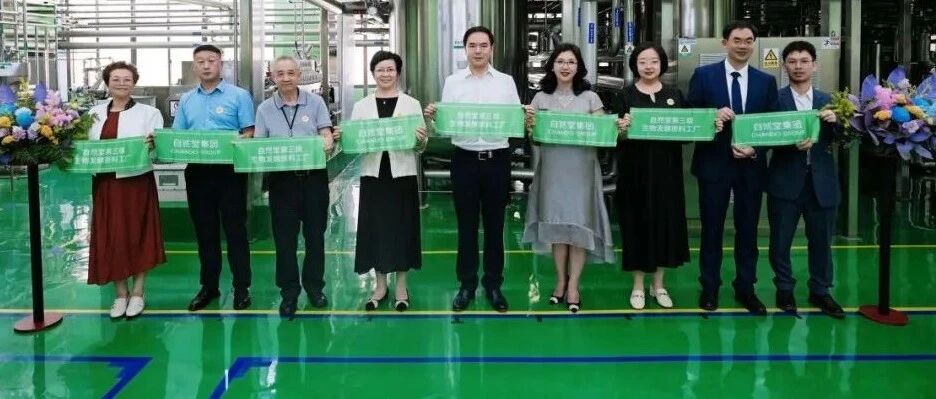
年产1000吨, 自然堂要建一座合成生物发酵原料工厂?
合成生物学与绿色生物制造· 2025-09-04 01:44
Core Viewpoint - The article highlights the launch of the "Natural Hall Fermentation Factory," which utilizes fifth-generation intelligent fermentation technology to enhance the production of core cosmetic ingredients, marking a significant advancement in the company's R&D capabilities [2][4]. Group 1: Fifth-Generation Fermentation Technology - The fifth-generation fermentation technology integrates microbiology, synthetic biology, data science, and AI, leading to improved strain construction, verification, and industrial efficiency [4][7]. - This technology allows for high-throughput screening of optimal strains and process combinations, significantly enhancing the stability and purity of raw materials while achieving precise enrichment of active ingredients [4][7]. - The factory features two parallel production lines, with a single batch capable of producing 20 tons, resulting in an annual capacity of 1,000 tons, which is a fivefold increase compared to traditional processing methods [4][5]. Group 2: Product Development and Applications - The company has successfully developed key active ingredients such as "Polar Yeast Ximoin®," which promotes basal cell regeneration by 5.91 times and collagen growth by 67.68%, demonstrating clear efficacy and market leadership [4][5]. - The ingredient has been incorporated into several products, including the "Natural Hall Little Purple Bottle" series and "Extreme Essence" [5]. - The fermentation team has identified 622 strains of unique Himalayan microorganisms, leading to the development of five types of polar yeast and lactic acid bacteria ingredients, which are used in nearly 20 popular products [5]. Group 3: Industry Context and Future Directions - The article mentions national initiatives aimed at promoting the innovation and development of non-grain bio-based materials, focusing on utilizing resources like straw and bamboo [9]. - An upcoming forum in 2025 will gather industry representatives and experts to discuss advancements in biomass clean pretreatment, non-grain sugars, and biofuels, contributing to the dual carbon goals [9].