
芦荟

Search documents
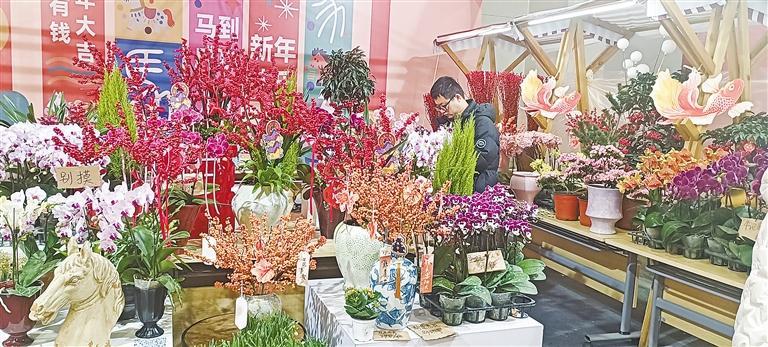
年宵花热销 室内养花有讲究
Xin Lang Cai Jing· 2026-02-05 04:46
Core Viewpoint - The flower market in Langfang is experiencing a peak sales season as the Spring Festival approaches, with various flowers and plants being popular among consumers for their auspicious meanings and health benefits [4][5]. Group 1: Market Trends - The flower market is bustling with activity as vendors prepare their displays, featuring plants like the money tree, butterfly orchid, and red anthurium, which symbolize wealth and happiness [4]. - Consumers are increasingly interested in indoor plants for their aesthetic and health benefits, such as air purification and humidity regulation [4]. Group 2: Health Considerations - Some flowers are not suitable for indoor cultivation due to potential health risks, such as night-blooming jasmine and tulips, which can cause respiratory issues and allergic reactions [5][6]. - It is advised to limit the number of indoor plants, especially in bedrooms, as they can release carbon dioxide at night, affecting sleep quality [5]. Group 3: Recommended Plants - Suitable indoor plants include aloe vera, spider plant, and peace lily, which can absorb toxins and purify the air [6]. - Certain plants, like cacti and succulents, are noted for their ability to reduce electromagnetic radiation from electronic devices [6].

警惕!浙江女子长期喝这种“茶”,肠道被“染黑”……
Xin Lang Cai Jing· 2026-01-17 23:53
Core Viewpoint - The article highlights the health risks associated with the long-term use of laxatives containing anthraquinone compounds, which can lead to a condition known as colonic melanosis, as illustrated by the case of a 55-year-old woman who developed this condition after relying on laxative teas for constipation relief [1][2][3][4]. Group 1: Health Risks of Laxatives - Colonic melanosis is a non-inflammatory, reversible benign condition primarily caused by the long-term use of laxatives containing anthraquinone [2]. - Anthraquinone compounds can stimulate the intestinal mucosa, leading to the apoptosis of epithelial cells, which results in pigment deposition in the colon [3]. - The case of the woman who developed colonic melanosis illustrates the potential dangers of becoming dependent on laxative products, leading to a vicious cycle of constipation [1][4]. Group 2: Recommendations for Managing Constipation - Increasing dietary fiber intake is essential, with recommendations to consume 25-30 grams daily from sources like dragon fruit, kiwi, and whole grains [5][6]. - Adequate hydration is crucial, with a suggested daily intake of 1.5-2 liters of water to help fiber function effectively [7]. - Regular physical activity, such as 30 minutes of aerobic exercise daily, can stimulate intestinal activity [9]. - Establishing a regular bowel routine by attempting to defecate at the same time each day can enhance bowel movement [10]. - Caution is advised when using medications, with a recommendation to avoid long-term use of stimulant laxatives and consult a doctor for alternatives like lactulose or polyethylene glycol if necessary [11].
谁救了我的芦荟
Xin Lang Cai Jing· 2025-12-28 07:03
Core Viewpoint - The article illustrates the theme of care and responsibility in nurturing living things, using the story of an aloe vera plant that was abandoned and later revived by a neighbor's attention and kindness [1][2][3] Group 1: Aloe Vera's Condition and Care - The aloe vera plant was initially neglected, showing signs of distress with drooping leaves and brown spots [1] - After being moved to a larger ceramic pot and receiving proper care, the plant began to thrive again, indicating that it prefers a more suitable environment [1] - The neighbor, referred to as "Wang Dage," took it upon himself to care for the aloe vera, demonstrating a commitment to nurturing the plant [2][3] Group 2: Reflection on Responsibility - The original owner of the aloe vera felt guilty for abandoning the plant and recognized their lack of knowledge in proper plant care [2] - The article highlights the emotional conflict of wanting to reclaim the plant after it was revived, ultimately leading to a decision to acknowledge the neighbor's efforts instead [3] - The presence of additional aloe vera plants in the public space, along with a note encouraging others to take care of them, reflects a community spirit and shared responsibility for living things [3]