
蝴蝶兰

Search documents
从土里刨食到云端种花的郑州新农人
Xin Lang Cai Jing· 2026-02-27 03:59
Core Viewpoint - The article highlights the transformation of rural areas in Zhengzhou, where villagers are shifting from traditional farming to modern agricultural practices, utilizing technology and investment to enhance productivity and income [1] Group 1: Agricultural Innovation - Villagers in Sunzhuang Village have moved away from the cycle of "three years of profit and three years of loss" by investing in land and funds to become shareholders in an organic farming initiative covering 1,800 acres [1] - In Beidi Village, the introduction of 5G greenhouses allows villagers to automate irrigation and fertilization through mobile phones, marking a significant shift from traditional farming methods [1] Group 2: Rural Economic Development - The emergence of "new farmers" in Zhengzhou signifies a successful model for rural revitalization, enabling locals to earn income without leaving their homes [1] - The article emphasizes that this modern approach to agriculture is a correct way to achieve rural revitalization, showcasing the potential for economic growth in these communities [1]
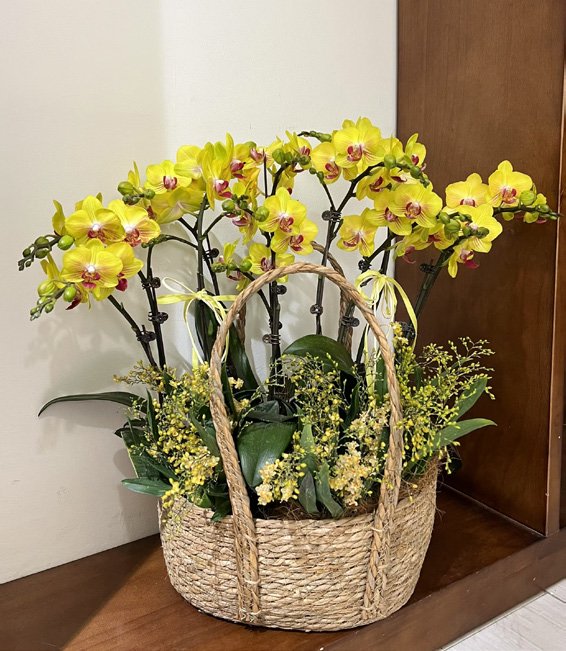
年宵花里的新春暖意
Xin Lang Cai Jing· 2026-02-27 03:58
Core Viewpoint - The article emphasizes the cultural significance of "Nianxiao flowers" in Chinese New Year celebrations, symbolizing hope, prosperity, and a fresh start for the new year [2] Group 1: Symbolism of Nianxiao Flowers - Nianxiao flowers are not just decorative but represent wishes for family health and safety, career success, and a positive outlook on life [2] - Specific flowers mentioned include the butterfly orchid, symbolizing continuous fortune and progress, and the red silver willow, representing growth and prosperity [2] Group 2: Emotional and Aesthetic Impact - The presence of Nianxiao flowers enhances the festive atmosphere, contributing to a sense of warmth and joy during family gatherings [2] - The article describes how these flowers serve as a reminder to embrace challenges and approach life with a positive mindset, akin to the growth of flowers [2]

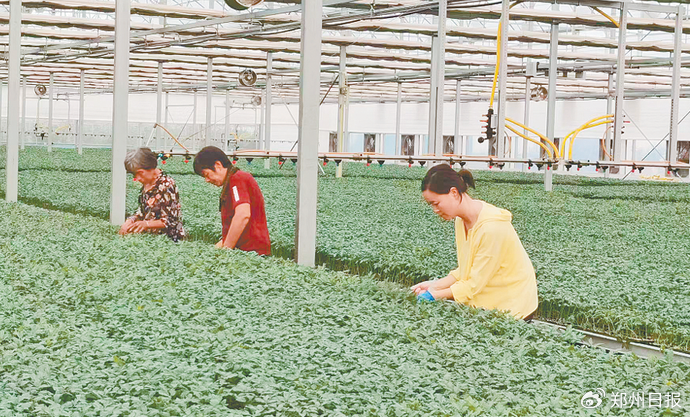
【黄河沃野 都市新农】三产融合绘新卷 都市农业富乡邻
Zheng Zhou Ri Bao· 2026-02-27 03:39
Core Insights - Zhengzhou is promoting urban agriculture by integrating primary, secondary, and tertiary industries, enhancing smallholder farmers' connection to modern agricultural practices, and fostering local economic growth [1][7] Group 1: Agricultural Development - Zhengzhou's urban agriculture strategy focuses on moderate-scale farming, aiming to create a robust agricultural foundation for rural revitalization [1][7] - The city is leveraging collective farming models to break traditional farming constraints, allowing smallholders to become stakeholders in cooperative ventures [3][7] Group 2: Economic Impact - The cooperative model in Sunzhuang Village transformed it from an "empty shell" economy to a "star village" with annual income exceeding 3.5 million yuan, showcasing significant economic growth [3][4] - From 2018 to 2021, the average income per mu for cooperative members increased from 1,860 yuan to 8,000 yuan, indicating a substantial rise in agricultural profitability [3][4] Group 3: Employment and Skills Development - The "Xinghuochong·Xiangyao Farm" has created stable employment for over 600 local residents and engaged more than 5,000 households in high-quality agricultural production [5][6] - Training programs in modern agricultural techniques and e-commerce platforms are empowering farmers with essential skills, fostering a new generation of professional farmers [6][7] Group 4: Technological Integration - The butterfly orchid base in Beiti Village utilizes 5G and IoT technologies for real-time monitoring and automated farming processes, significantly improving production efficiency [5][6] - The integration of smart agriculture practices is not only enhancing productivity but also increasing local wages, making rural employment more attractive [5][6]
新春花展醉游人
Xin Lang Cai Jing· 2026-02-25 18:56
Core Viewpoint - The flower exhibition in Xilin Hot City aims to enhance the festive atmosphere for the Lunar New Year and enrich the cultural life of citizens through a vibrant display of seasonal flowers and plants [1][2]. Group 1: Exhibition Details - The flower exhibition features six major plant exhibition areas, including a tropical orchid section, and integrates the New Year flower arrangements with existing plant landscapes to create a festive viewing experience [2]. - The exhibition runs from the first to the fifteenth day of the Lunar New Year and is free to the public, attracting approximately 2,000 visitors daily [3]. Group 2: Future Plans - The city plans to continue exploring the unique characteristics of greenhouse plant resources and develop more seasonal horticultural activities to enhance the visitor experience [3]. - The botanical garden aims to optimize its services and landscapes, providing a platform for citizens to connect with nature and appreciate the beauty of horticulture, thereby contributing to the ecological and cultural tourism development of the city [3].
岛内舆论:大陆坚定反制美关税霸凌,与赖当局形成鲜明对比
Xin Lang Cai Jing· 2026-02-25 12:52
Core Viewpoint - The recent ruling by the U.S. Supreme Court declaring President Trump's "reciprocal tariffs" illegal has led to an increase in global import tariffs to 15%, significantly impacting Taiwan's economy and trade relations with the U.S. [1] Group 1: Impact on Taiwan's Trade - The new tariffs have reduced the number of agricultural products exempt from tariffs to 230, with 27 products not exempted, while industrial products have 1,367 exempted and 444 not exempted [1] - The so-called "U.S.-Taiwan Reciprocal Trade Agreement" (ART) was expected to lower tariffs on Taiwanese goods to 15% in exchange for $250 billion in new investments and guarantees, but the new tariff structure has raised concerns about significant financial losses for Taiwan [2] Group 2: Economic Consequences - The current tariff model is expected to lead to increased costs and loss of competitiveness for many traditional industries and agriculture in Taiwan, with farmers and exporters facing higher cumulative tariffs [2] - The Taiwanese government has not provided concrete remedial measures, leading to feelings of abandonment among local agricultural communities [2] Group 3: Political and Strategic Context - The ruling has destabilized the legal foundation of the U.S.-Taiwan trade agreement, raising questions about Taiwan's commitment to its investment promises, which were contingent on tariff exemptions [3] - There is a stark contrast between Taiwan's passive response to U.S. tariff policies and mainland China's assertive stance against U.S. trade actions, highlighting Taiwan's vulnerability in the current geopolitical landscape [3]
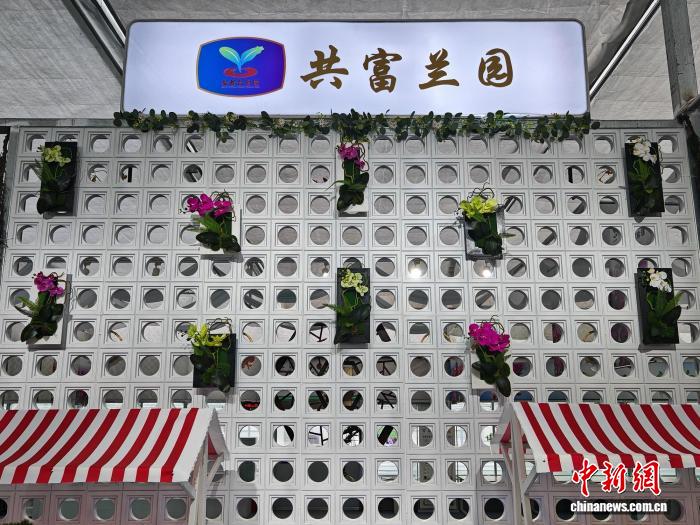
(新春走基层)盐城盐都:此处兰花香,开在“共富”路
Zhong Guo Xin Wen Wang· 2026-02-25 09:13
Core Insights - The article highlights the establishment of the "Common Prosperity Orchid Garden" in Yancheng, Jiangsu, which aims to promote economic development through the cultivation and sale of butterfly orchids [1][3]. Group 1: Project Overview - The Common Prosperity Orchid Garden, built by 12 villages in the Taiwan Farmers' Entrepreneurship Park, covers a total area of 30,000 square meters and is set to officially open before New Year's Day 2026 [1]. - The garden integrates planting, showcasing, and sales, utilizing a dual partnership model between strong and weak villages, as well as between enterprises and collectives [1]. Group 2: Economic Impact - The garden has filled a market gap in high-end butterfly orchid wholesale and retail in Yancheng, leading to a surge in demand during the New Year and Spring Festival, with sales exceeding 1.3 million yuan (approximately 0.2 million USD) within the first two months of operation [3]. - The project has enabled village cadres to manage the entire process from tissue culture to sales, ensuring quality while reducing labor costs, thus maximizing profits for the village collective [3]. Group 3: Community Engagement and Development - Young village cadres are gaining skills in live streaming sales, transforming from "industry newcomers" to "technical experts," which enhances their capabilities and community involvement [3]. - The project has also stimulated local businesses in dining and accommodation, creating a beneficial cycle where the flower industry drives broader economic growth in the area [5]. Group 4: Future Plans - The park plans to extend the "production + sales + experience" model, focusing on integrating the orchid industry with cultural and tourism elements, including the construction of an orchid exhibition hall and a floral art experience area [5].
年宵花开 成都人把春天搬回家
Xin Lang Cai Jing· 2026-02-24 19:19
Core Insights - The orchid remains the most popular flower during the Spring Festival in Chengdu, with a noticeable increase in young consumers participating in the flower market this year [2][3] Group 1: Market Trends - The flower market in Chengdu is experiencing a surge in popularity, particularly among younger consumers who prioritize aesthetics and practicality in their flower purchases [2] - The trend in the Chengdu flower market is shifting towards a combination of meaning, aesthetics, and practicality, with young consumers favoring unique shapes and vibrant colors [2][3] - Popular flower varieties include orchids, large-flowered cymbidiums, hyacinths, silver willow, and potted camellias, while cut flowers like wintergreen and peony are also gaining traction [2] Group 2: Pricing and Consumer Behavior - There is an increasing acceptance of higher-priced flowers, with sales of mid to high-end varieties priced between 200 to 500 yuan showing significant growth [3] - Young consumers are increasingly seeking a sense of "high-end" in their flower arrangements, leading to a rise in interest in traditional Chinese flower arrangement techniques [3] Group 3: Industry Development - The Sichuan flower market has historically faced challenges of homogenization and low added value, but recent years have seen improvements in variety cultivation, packaging design, and service quality [5] - The local flower industry is moving towards high quality, diversification, and personalization, with enhanced local cultivation capabilities and regional characteristics [5] - The Chengdu area, supported by a large consumer market and industrial base, is poised to play a significant role in product innovation and market positioning within the broader Chinese market [5]
山西太原刘家堡:古村年味浓
Jing Ji Ri Bao· 2026-02-23 02:11
Core Viewpoint - Liujiabao Village has transformed from a place with idle resources into a vibrant community by revitalizing its cultural heritage, agricultural practices, and tourism, leading to economic growth and improved livelihoods for its residents [1][4]. Group 1: Cultural and Economic Revitalization - The village boasts over 100 intangible cultural heritage projects, more than 100 workshops, 60 types of cultural products, 30 types of local cuisine, and over 10 guesthouses, showcasing a diverse cultural landscape [1]. - The local government has effectively utilized idle land, housing, and labor, turning them into profitable resources, with agriculture as the foundation, culture as the essence, and tourism as the pathway [1][4]. - Young people in the village, like Guo Panyi, are now able to earn substantial incomes (around 70,000 to 80,000 yuan annually) through traditional crafts such as lion dancing, which were previously undervalued [2]. Group 2: Employment and Community Development - Residents like Wang Fang have found stable employment opportunities close to home, allowing them to balance work and family life while earning a steady income [2][3]. - Entrepreneurs such as Guo Ximei have leveraged the village's cultural environment to expand their businesses, with products now reaching international markets, thus contributing to local economic growth [3]. - The integration of historical culture, intangible heritage, agriculture, and tourism has created a cohesive development model that supports both social and economic benefits for the community [3][4]. Group 3: Agricultural Initiatives - The village has implemented large-scale agricultural projects, including a tomato industry park, a pear industry park, and a butterfly orchid base, focusing on professional and sustainable agricultural practices [3]. - The local government emphasizes the importance of combining agriculture with cultural and tourism initiatives, creating a comprehensive development strategy that enhances the quality of life for residents [4].
新春走基层|年宵花开,日子更红火
Xin Hua She· 2026-02-23 00:32
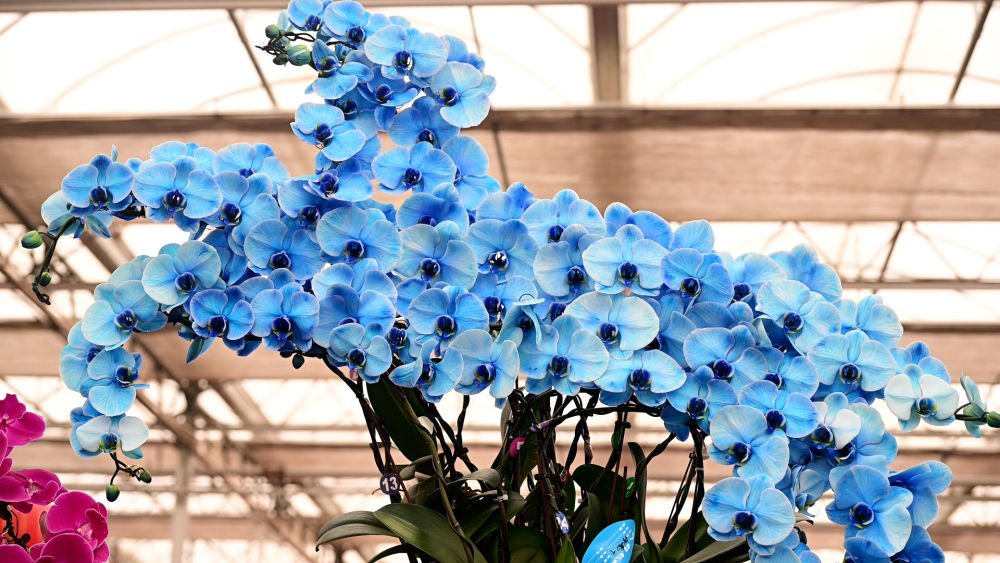
Group 1 - The flower market is thriving during the Spring Festival, with unique flower designs and colors attracting consumers [1][2] - The sales of butterfly orchids have increased, with creative designs such as the horse-shaped butterfly orchid being particularly popular [2][4] - The sales of amaryllis, especially those featuring traditional Chinese paper-cut designs, have also seen significant demand, with over 30,000 units sold since New Year's [4][6] Group 2 - Flower farmers are utilizing advanced cultivation techniques, such as digital management and low-temperature dormancy technology, to enhance production efficiency [7][8] - The flower production base in Yunnan has reported daily shipments exceeding 10,000 stems, with a projected annual output of 300,000 stems and revenue exceeding 7 million yuan by 2025 [8] - Domestic breeding programs are developing new flower varieties, reducing reliance on imports, and enhancing the market with unique local products [9]
新春走基层丨山西太原刘家堡:古村年味浓
Jing Ji Ri Bao· 2026-02-23 00:05
Core Insights - Liujiabao Village has transformed from a place with idle resources into a vibrant community by revitalizing its land, labor, and cultural heritage, leading to economic growth and community engagement [1][4] Group 1: Cultural and Economic Revitalization - The village boasts over 100 intangible cultural heritage projects, more than 100 workshops, 60 types of cultural products, 30 types of local cuisine, and over 10 guesthouses, showcasing a diverse cultural landscape [1] - The local government has effectively utilized idle land and resources, turning them into profitable ventures, with agriculture as the foundation, culture as the essence, and tourism as the pathway [1][4] - Young artisans like Guo Panyi are now able to earn substantial incomes, with lion dance performances generating annual earnings of 70,000 to 80,000 yuan, reflecting a shift in perception towards traditional crafts as viable sources of income [2] Group 2: Employment and Community Impact - Local artisans, such as Wang Fang, have found stable employment opportunities close to home, allowing them to balance work and family life while earning a steady income [3] - Entrepreneurs like Guo Ximei have leveraged the village's cultural environment to expand their businesses, with products reaching international markets, thus contributing to the local economy [3] - The integration of agriculture, culture, and tourism has created a sustainable model for community development, enhancing both social and economic benefits for villagers [3][4]