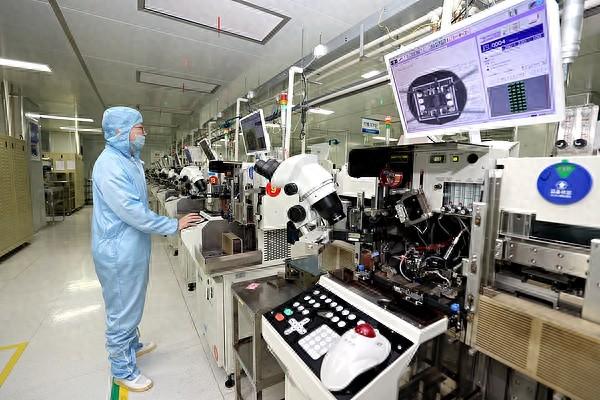
芯片制造设备和材料

Search documents
日本竟想拉上美国,报复中国芯片?
Guan Cha Zhe Wang· 2025-11-22 01:35
Core Viewpoint - The diplomatic tensions between Japan and China, initiated by Japanese Prime Minister Sanna Takashi, have led to a series of countermeasures from China, including travel advisories and a ban on seafood imports, highlighting Japan's limited maneuvering space in this geopolitical conflict [1][2]. Group 1: Japan's Response and Strategy - Japan is expected to maintain its usual strategy of avoiding direct retaliation while keeping communication channels open, hoping for a gradual easing of tensions over time [1]. - Analysts suggest that Japan could collaborate with the U.S. to tighten export controls in the semiconductor sector, which could pose significant challenges to China's related industries, but must proceed cautiously to avoid harming its own economy [2][4]. Group 2: Semiconductor and Rare Earths - Semiconductor manufacturing equipment is a key export category for Japan to China, accounting for over 10% of Japan's total exports to China last year, indicating a potential area for tightened export controls [2]. - Japan's reliance on China for rare earths has increased from approximately 60% to over 70% due to rising demand for electric vehicles and renewable energy, making it vulnerable to potential Chinese export restrictions [4]. Group 3: U.S.-Japan Cooperation - If Japan receives support from the U.S., the collaboration could significantly impact the global semiconductor supply chain, posing a more severe challenge to China's chip industry [2]. - Japan may seek diplomatic support from G7 allies to condemn China's actions and push for a resolution through diplomatic channels, while also increasing direct communication with China [5]. Group 4: Potential Chinese Countermeasures - China has various means to exert pressure on Japan, such as extending permit approval times and enhancing export documentation reviews, rather than outright banning rare earth exports [5]. - Analysts believe that China is unlikely to completely halt rare earth exports to Japan, especially with signs of diplomatic thawing between China and Japan [4].