花蛤粉

Search documents
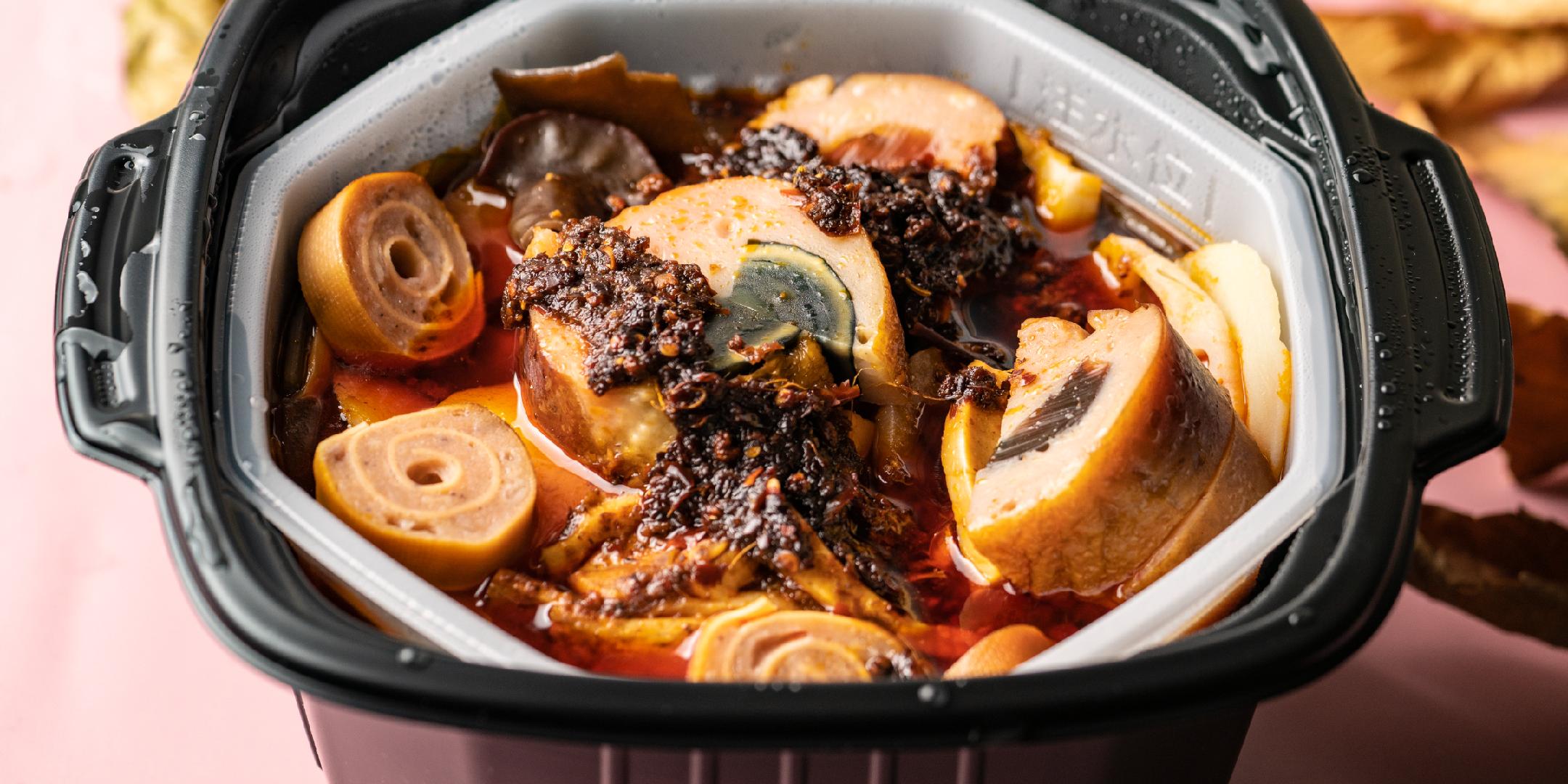
“自嗨锅”为何再也“嗨”不起来了?
Jing Ji Guan Cha Wang· 2026-02-10 07:24
Core Viewpoint - The rapid rise and subsequent decline of the hot pot brand "Zihai Guo" highlights the vulnerabilities in the new consumption wave, emphasizing the need for sustainable business models beyond capital-driven growth [2][6]. Group 1: Company Overview - "Zihai Guo" was once a sensation in the market, achieving sales of 5 million barrels in just 10 minutes and reaching a valuation of 7.5 billion yuan due to its innovative "self-heating hot pot" concept [2]. - The brand capitalized on the "lazy economy" and the single population demographic, launching its self-heating hot pot products in 2018, which quickly filled a market gap [2]. Group 2: Financial Performance - In 2022, "Zihai Guo" experienced a 17% decline in revenue, dropping to 820 million yuan, with online sales plummeting by 41% [3]. - The company faced severe financial distress, with debts exceeding 140 million yuan and a forced execution due to unpaid advertising fees [3]. Group 3: Product and Market Challenges - The self-heating food market became saturated with competitors, leading to a lack of product differentiation and innovation from "Zihai Guo" [3]. - Food safety issues have plagued the brand, eroding consumer trust, particularly following incidents involving product safety concerns [4]. Group 4: Marketing and Pricing Strategy - "Zihai Guo" relied heavily on marketing expenditures, with sales expenses exceeding 40% during 2020-2021, resulting in losses of over 460 million yuan [4]. - The pricing strategy has been criticized for being above industry averages while offering lower value, leading to consumer dissatisfaction and low repurchase rates [4]. Group 5: Competitive Landscape - The brand faces intense competition from established hot pot chains like Haidilao and emerging brands that offer lower prices and better quality [5]. - The overall market for self-heating hot pots has contracted, with a 32.67% year-on-year decline in sales by Q4 2024, and "Zihai Guo's" market share shrinking from 1.84% in 2022 to 1% in 2023 [5]. Group 6: Industry Implications - The decline of "Zihai Guo" serves as a cautionary tale for the fast-food industry, illustrating the risks of over-reliance on capital and marketing without a solid product foundation [6]. - The shift from a capital-driven growth model to a focus on product quality and user experience is essential for sustainable success in the new consumption landscape [6].