花西子眉笔

Search documents
预售比现货贵背刺“所有女生”,李佳琦们黄金时代落幕
3 6 Ke· 2025-10-31 00:31
Core Viewpoint - The recent Double Eleven event has seen Li Jiaqi facing backlash due to discrepancies in pre-sale and actual product prices, leading to rumors of significant financial losses for his livestreaming sessions [2][3]. Group 1: Price Discrepancies and Consumer Reactions - Consumers reported that pre-sale prices in Li Jiaqi's livestream were higher than the actual market prices, with some differences reaching 50-60 yuan [2]. - A specific example highlighted a face mask that was sold for 308 yuan during pre-sale, while the same product was available for 291 yuan in the market, resulting in a 17 yuan difference [2]. - Li Jiaqi quickly denied these claims during his livestream, labeling them as false [3]. Group 2: Brand and Platform Dynamics - The situation was exacerbated by brands offering sudden limited-time subsidies, which made the total payment lower than the pre-sale prices in Li Jiaqi's livestream [3]. - This incident reflects a shift in power dynamics where brands are regaining pricing authority, moving away from the previous model where Li Jiaqi was seen as the provider of "the lowest prices" [5][19]. Group 3: Historical Context and Changes in Influence - Li Jiaqi's past controversies, such as the Flower West incident, indicate a loss of empathy towards consumers, which has affected his popularity and sales [7][9]. - The decline in sales during the Double Eleven event compared to previous years suggests a significant drop in consumer trust and engagement [9]. - The overall market for livestream e-commerce is entering a phase of saturation, with growth rates declining significantly from previous years [23]. Group 4: Shift Towards Brand Self-Broadcasting - Brands are increasingly investing in self-broadcasting rather than relying solely on top influencers, with a notable rise in the number of merchants achieving high sales through their own channels [23][24]. - Data indicates that a significant portion of sales during major events is now coming from brand self-broadcasting, reflecting a broader industry trend [23][24]. Group 5: Platform Changes and Industry Evolution - Platforms like Douyin and Taobao are adjusting their strategies to support mid-tier and emerging influencers, reducing reliance on top-tier streamers [25][30]. - The competitive landscape is evolving, with a notable decrease in the dominance of super influencers, as seen with the recent withdrawal of prominent figures like Xinba [37].

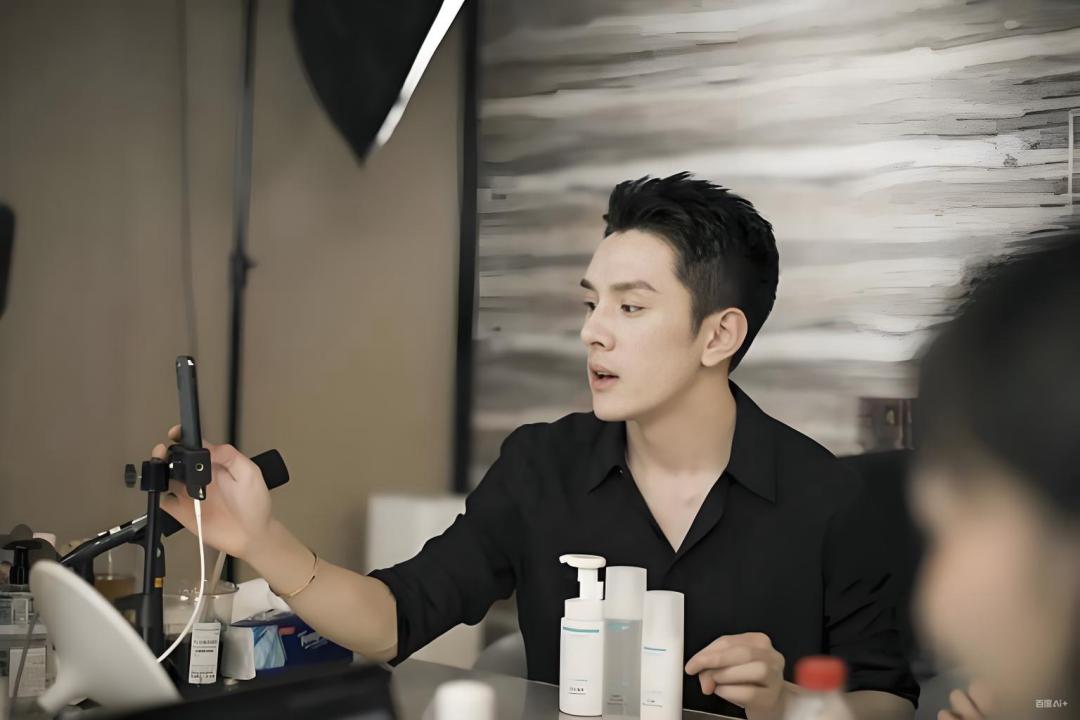
李佳琦79元卖眉笔争议再起余波,“花西子”诉自媒体商业诋毁案二审开庭
Yang Zi Wan Bao Wang· 2025-10-17 14:33
Core Viewpoint - The controversy surrounding the Chinese cosmetics brand "Hua Xizi" escalated after a live-streaming incident involving popular host Li Jiaqi, leading to a lawsuit against a self-media entity for alleged commercial defamation [1][6]. Group 1: Incident Overview - On September 10, 2023, Li Jiaqi commented on the pricing of Hua Xizi's eyebrow pencil during a live stream, which sparked public outrage and trending topics online [2][4]. - Following the incident, Hua Xizi's parent company, Hangzhou Yige Cosmetics Co., Ltd., issued a public relations letter titled "A Letter" on September 19, 2023 [4][5]. - A self-media article criticized the PR letter, claiming it resembled a "primary school essay" and highlighted the departure of several PR staff members [4][5]. Group 2: Legal Proceedings - On December 9, 2024, Hua Xizi filed a lawsuit against the self-media entity for commercial defamation, seeking a total of 580,000 yuan in damages [1][6]. - The first-instance court ruled on June 27, 2025, ordering the self-media's sole shareholder, Zhao, to pay 300,000 yuan in damages and 20,000 yuan in reasonable expenses [7]. - Zhao appealed the decision, and the second-instance hearing took place on October 17, 2025, with new evidence submitted by Zhao's legal team [8][10]. Group 3: Court Findings - The court found that the self-media's article contained defamatory statements that harmed Hua Xizi's brand reputation, as it misrepresented the number of PR staff departures [7][8]. - The court noted that Zhao failed to verify the information provided by interviewees, which contributed to the misleading nature of the article [8][14]. - The court emphasized that commercial defamation requires proof of false information dissemination that damages commercial reputation, while Zhao argued for a reclassification of the case as a defamation of character [12][14]. Group 4: Implications for the Industry - The case highlights the challenges of balancing public commentary and commercial reputation in the digital age, particularly for brands in competitive industries like cosmetics [13][14]. - Legal experts suggest that self-media entities must exercise due diligence in verifying information to avoid potential legal repercussions related to defamation [14].