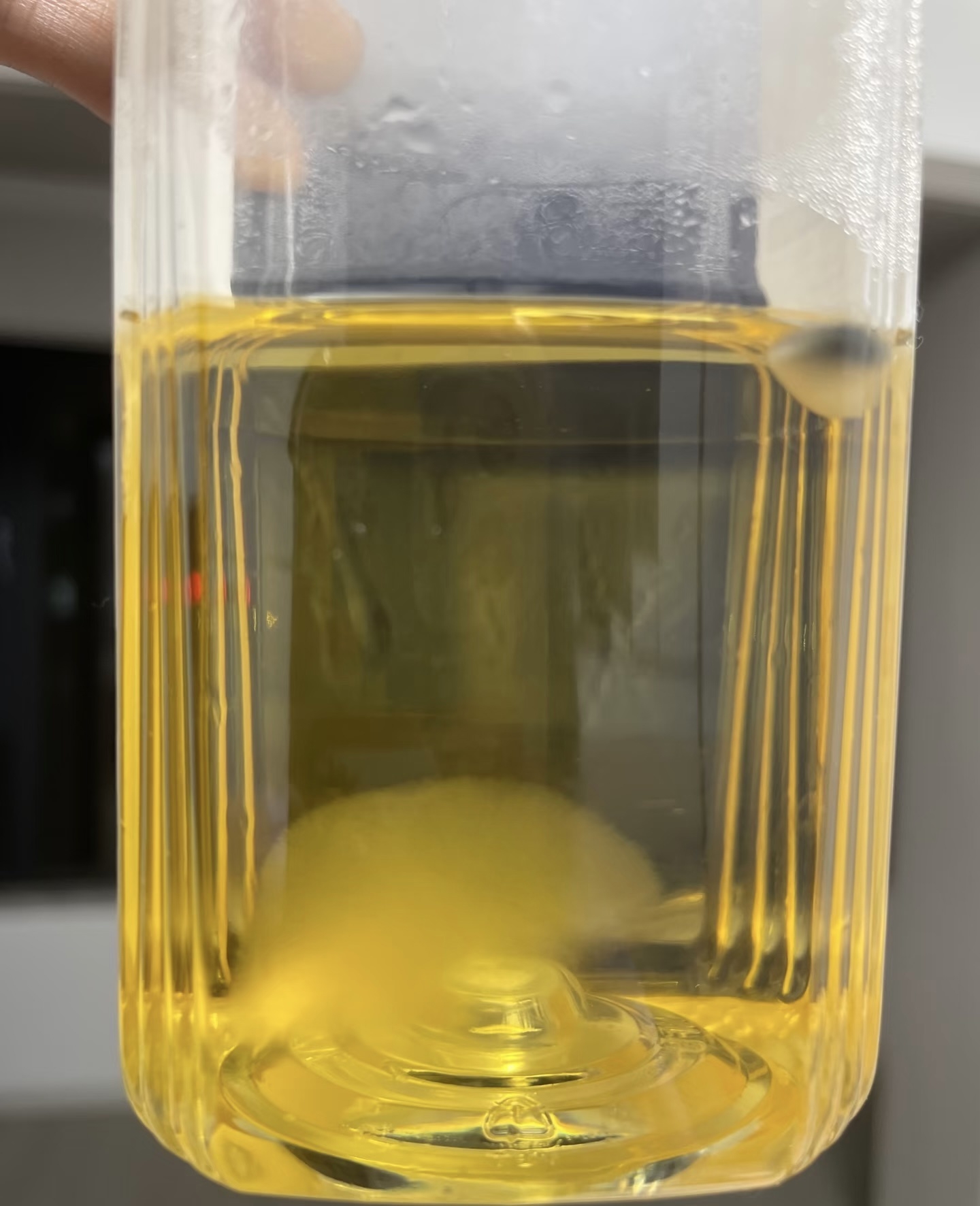
茶菌球

Search documents
网红“茶菌球”成佛系新宠? 切忌饮用
Xin Lang Cai Jing· 2026-02-23 21:43
Core Viewpoint - The recent trend of "tea fungus balls" has gained popularity on social media, with users sharing cultivation tips and discussing which tea beverages yield the best results [2] Group 1: Characteristics of Tea Fungus Balls - Tea fungus balls are not a single microorganism but a complex mixture of yeast, mold, bacteria, and other microbes [4][5] - The formation of these balls occurs when opened tea beverages are exposed to air, allowing microorganisms from the environment to enter and proliferate due to the nutrients present in the drink [4] Group 2: Misconceptions and Influencing Factors - The perception that certain brands of tea beverages are more prone to developing fungus balls is a common misconception; the growth is influenced by multiple factors such as acidity, sugar content, and environmental conditions rather than brand quality [6] - Factors like bottle transparency and shape can also affect the visibility and growth of microorganisms, leading to the false impression that specific brands are more susceptible [6] Group 3: Health and Safety Risks - Cultivating tea fungus balls poses significant health risks, including the potential for harmful microbial contamination, which can lead to allergic reactions or foodborne illnesses [7][8] - Experts advise against consuming homemade tea fungus drinks due to the associated safety hazards, emphasizing that the practice is unscientific and unsafe [8]

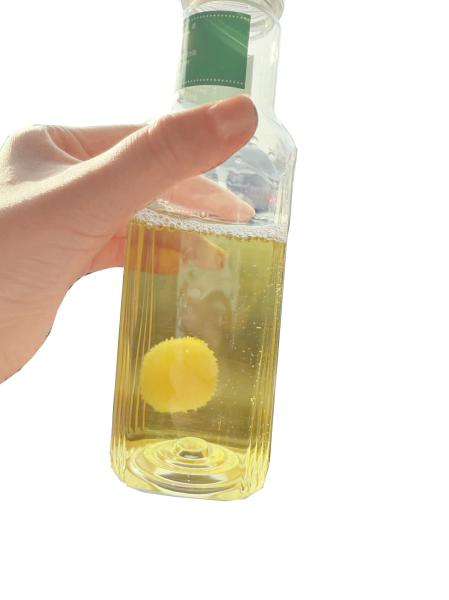
网红“茶菌球”成“佛系新宠”?切忌饮用|科创未来
Xin Lang Cai Jing· 2026-02-23 13:30
Core Viewpoint - The recent popularity of "tea fungus balls" on social media raises concerns about safety and health risks associated with their cultivation and consumption [1][10]. Group 1: Nature of Tea Fungus Balls - Tea fungus balls are not a single microorganism but a complex mixture of yeast, mold, bacteria, and other microbes [5]. - The formation of tea fungus balls occurs when opened tea beverages are exposed to air, allowing microorganisms from the environment to enter and proliferate in the nutrient-rich liquid [4][9]. Group 2: Factors Influencing Growth - The growth of tea fungus balls is influenced by various factors, including the acidity, sugar content, and tea polyphenol concentration of the beverage, as well as environmental conditions such as temperature and hygiene [9]. - Misconceptions about specific brands being more prone to fungus growth are attributed to observational biases rather than actual product quality [8]. Group 3: Safety and Health Risks - Cultivating tea fungus balls poses significant safety risks, including the potential for harmful microbial contamination, which can lead to allergic reactions or foodborne illnesses [10]. - The practice of growing tea fungus balls is deemed unscientific and unsafe, as it can amplify contamination sources and pose health hazards, especially to vulnerable populations [10].