
微生物污染

Search documents
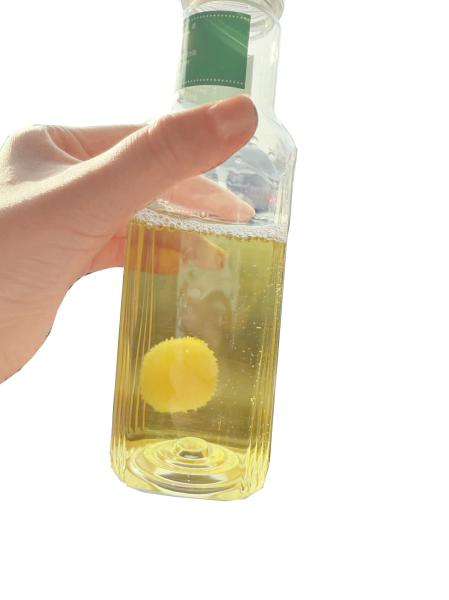
网红“茶菌球”成佛系新宠? 切忌饮用
Xin Lang Cai Jing· 2026-02-23 21:43
Core Viewpoint - The recent trend of "tea fungus balls" has gained popularity on social media, with users sharing cultivation tips and discussing which tea beverages yield the best results [2] Group 1: Characteristics of Tea Fungus Balls - Tea fungus balls are not a single microorganism but a complex mixture of yeast, mold, bacteria, and other microbes [4][5] - The formation of these balls occurs when opened tea beverages are exposed to air, allowing microorganisms from the environment to enter and proliferate due to the nutrients present in the drink [4] Group 2: Misconceptions and Influencing Factors - The perception that certain brands of tea beverages are more prone to developing fungus balls is a common misconception; the growth is influenced by multiple factors such as acidity, sugar content, and environmental conditions rather than brand quality [6] - Factors like bottle transparency and shape can also affect the visibility and growth of microorganisms, leading to the false impression that specific brands are more susceptible [6] Group 3: Health and Safety Risks - Cultivating tea fungus balls poses significant health risks, including the potential for harmful microbial contamination, which can lead to allergic reactions or foodborne illnesses [7][8] - Experts advise against consuming homemade tea fungus drinks due to the associated safety hazards, emphasizing that the practice is unscientific and unsafe [8]

荤可剩 素不留 冷藏要及时热透
Xin Lang Cai Jing· 2026-02-20 07:17
Group 1 - The core viewpoint of the articles emphasizes the safety and health considerations regarding leftover food, particularly during festive seasons when food waste is common [1][2] - Leftover food is defined as meals that have been left out for 5 to 8 hours, not just those left overnight [1] - The main health concern associated with leftover food is microbial contamination and bacterial growth rather than nitrite levels, which are present in certain foods like pickled vegetables and cured meats [1] Group 2 - Recommendations for safely handling leftovers include portioning food immediately after cooking, cooling it quickly, and storing it in the refrigerator [1] - It is advised to seal leftover food properly to prevent cross-contamination and to separate raw and cooked foods [1] - Thorough reheating of leftovers is crucial, especially when using a microwave, to ensure even heating and to avoid repeated reheating [1][2]
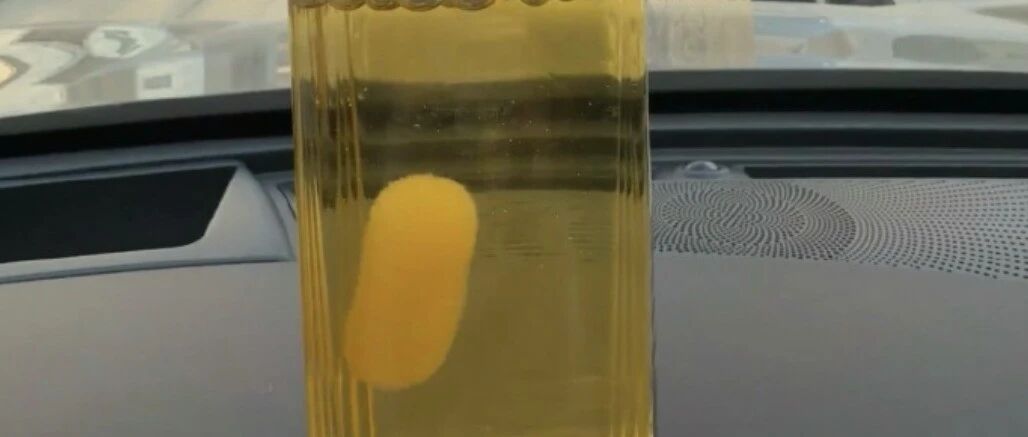
用东方树叶养出“茶菌宠物”?农夫山泉回应
新浪财经· 2025-12-12 09:44
Core Viewpoint - The recent trend of cultivating "tea bacteria" from the beverage "Oriental Leaf" has sparked discussions on social media, with users sharing their experiences of growing unique microbial formations in the drink after leaving it open for several days [2][5]. Group 1: Product and Consumer Insights - "Oriental Leaf" is a no-sugar tea brand launched by Nongfu Spring in 2011, marketed with the benefits of "0 sugar, 0 calories, and 0 preservatives," and has recently gained market leadership after overcoming initial criticism [5]. - The product utilizes Log6 level aseptic cold filling technology, ensuring that the risk of microbial contamination is less than one in a million bottles [5]. - The beverage has become a significant growth driver for Nongfu Spring, with total revenue reaching 25.622 billion yuan, a year-on-year increase of 15.6%, and net profit attributable to shareholders of approximately 7.622 billion yuan, up 22.1% [6]. Group 2: Market Performance - The revenue from Nongfu Spring's tea beverage segment reached 10.089 billion yuan, a substantial year-on-year increase of 19.7%, making it the company's largest revenue source, surpassing packaged water [7]. - "Oriental Leaf" is expanding its market influence through seasonal limited products, promotional activities like "open cap to win prizes," and the introduction of new flavors such as Chenpi white tea [7].

江苏省市场监管局8月和9月食品安全监督抽检结果显示 微生物污染是饮料产品不合格主要原因
Zhong Guo Zhi Liang Xin Wen Wang· 2025-09-23 06:44
Core Insights - Jiangsu Province's market regulatory authority has prioritized beverage safety inspections in 2023, focusing on ensuring compliance with food safety standards [1][2][3][4] Summary by Sections Inspection Results - In August and September, the Jiangsu market regulatory authority conducted multiple rounds of food safety inspections, specifically targeting beverages [1][2][3][4] - The inspections revealed that non-compliance issues primarily stemmed from microbial contamination, particularly the presence of Pseudomonas aeruginosa [1][2][3][4] - A total of 1006 food samples were tested in one round, with 15 samples failing, including one beverage [1] - In another round, 1356 samples were tested, resulting in 21 failures, including one beverage [2] - Subsequent inspections showed varying results, with some rounds reporting all beverages as compliant, while others identified multiple non-compliant beverage samples [3][4] Specific Non-compliance Cases - Specific instances of non-compliance included: - Drinking water from a factory in Jiangsu failing to meet standards for nitrite and Pseudomonas aeruginosa [1] - A natural spring water product failing due to Pseudomonas aeruginosa [2] - Multiple instances of bottled water failing due to Pseudomonas aeruginosa and other contaminants in various inspections [3][4] Regulatory Actions - The Jiangsu market regulatory authority has mandated local regulatory bodies to investigate non-compliant products and their manufacturers, ensuring legal actions are taken against violations [1] - Non-compliance cases are recorded in the food safety credit archives of the respective food producers [1]