葡萄糖氯化钠注射液

Search documents
广东牵头22省集采:170品种入围,石家庄四药领跑,生物制品“崛起”
Ge Long Hui· 2025-10-14 18:50
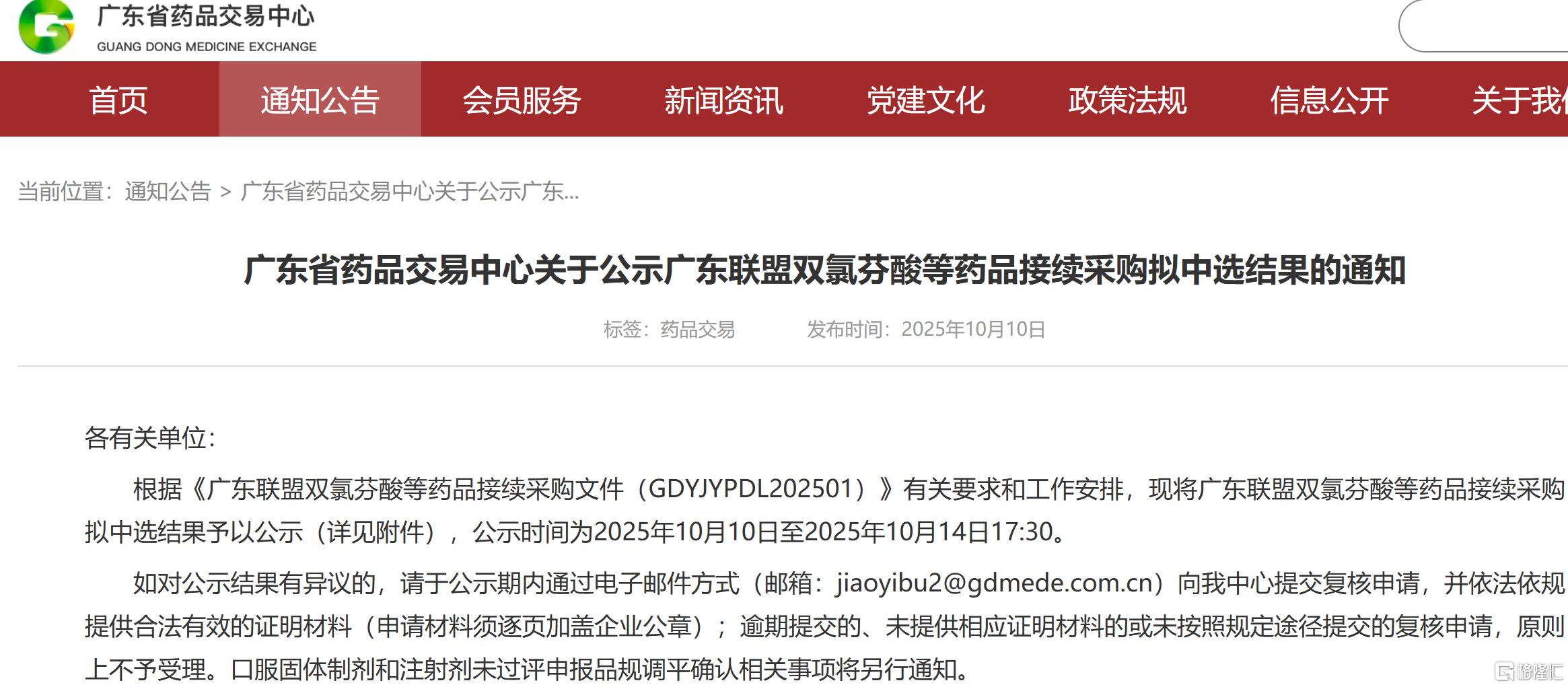
Core Viewpoint - The recent announcement from the Guangdong Provincial Drug Trading Center regarding the procurement results for drugs, including diclofenac, has become a focal point in the pharmaceutical procurement sector, highlighting the ongoing competitive landscape and the implications for future industry developments [1][14]. Group 1: Procurement Details - The procurement was led by Guangdong and involved a coalition of 22 provinces, making it one of the largest local procurement alliances to date, aside from national procurement efforts [3]. - A total of 170 drug varieties were included in this procurement, covering key therapeutic areas such as analgesics, anti-infectives, and cardiovascular treatments, with a significant representation of injectable drugs [3]. - Among the participating manufacturers, Shijiazhuang Four Drug Company emerged as the largest winner, with 136 product specifications selected for procurement [3][7]. Group 2: Product Composition - The product composition included 163 non-exclusive/exclusive varieties, 2 injectables, and 5 blood products, with injectables accounting for over 60% of the total [3]. - Notably, glucose injection products were the most represented, with 1,109 specifications selected, followed by sodium chloride injections with 668 specifications, and glucose-sodium chloride injections with 475 specifications, collectively representing over 50% of the total selected products [8][11]. Group 3: Market Dynamics - The competitive nature of this procurement is evident, with 16 manufacturers having over 50 specifications selected, and 44 companies having more than 20 specifications, indicating a robust participation from various pharmaceutical companies [7]. - The procurement results reflect a trend towards price competition, with significant price disparities observed among similar products, emphasizing the need for cost-effective solutions in the market [12][13]. Group 4: Future Implications - The ongoing implementation of procurement policies is expected to create both opportunities and challenges for pharmaceutical companies, ultimately benefiting patients through access to more affordable and high-quality medications [14].