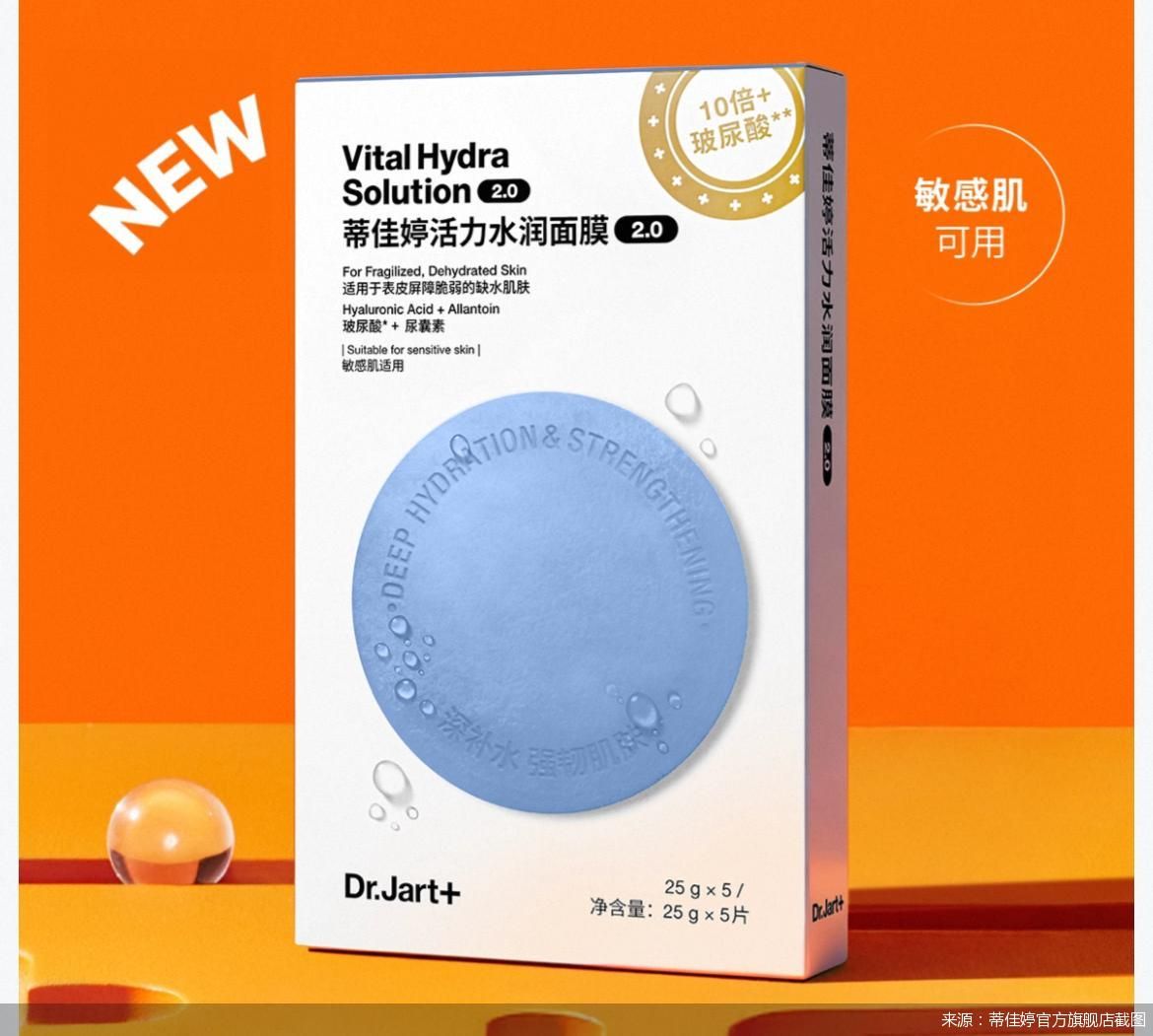
蒂佳婷面膜

Search documents
蒂佳婷失宠 雅诗兰黛加快重塑美妆版图
Bei Jing Shang Bao· 2025-12-07 15:28
Core Viewpoint - Estée Lauder is considering selling its Korean beauty brand, Tigi, amid declining performance and increasing market competition, reflecting a strategic shift towards investing in brands with higher growth potential [1][4][8] Group 1: Company Performance - Tigi, established in 2004, initially gained popularity with its "post-medical" positioning and innovative products, expanding internationally by opening its first boutique in New York in 2008 and entering the Chinese market in 2013 [3][4] - Estée Lauder acquired a one-third stake in Tigi's parent company, Have&Be, in 2015 when Tigi's annual sales were 863 billion KRW (approximately 443 million RMB), and later fully acquired Have&Be in 2019 for about 1.1 billion USD (approximately 781 million RMB) [4][6] - Tigi's sales peaked at 489.8 billion KRW (approximately 2.518 billion RMB) in 2018, but projected revenue for this year is only 150 million USD (approximately 958 million RMB), significantly below the expected 500 million USD (approximately 3.544 billion RMB) [4][6] Group 2: Market Challenges - Estée Lauder's overall performance has been declining, with net sales dropping to 14.326 billion USD (approximately 100.15 billion RMB) in fiscal year 2025, an 8% decrease, and a net loss of 1.133 billion USD (approximately 791.8 million RMB) [6][8] - The company's various business segments, including skincare and makeup, have seen revenue declines, with makeup experiencing a 6% drop and operating losses in several categories [6][8] - Consumer dissatisfaction with Tigi products has been noted on social media, indicating a decline in product quality and customer service [5][6] Group 3: Strategic Shifts - Estée Lauder's new CEO, Stéphane de La Faverie, has initiated a significant transformation strategy called "Beauty Reimagined," focusing on consumer-centric growth and optimizing brand investments [7][10] - The company is prioritizing high-growth brands and may divest underperforming ones, with Tigi among those potentially on the chopping block [8][10] - Recent financial reports indicate a recovery in sales, particularly in the high-end market in China, where certain brands have shown double-digit growth, suggesting a strategic pivot towards premium offerings [9][10]


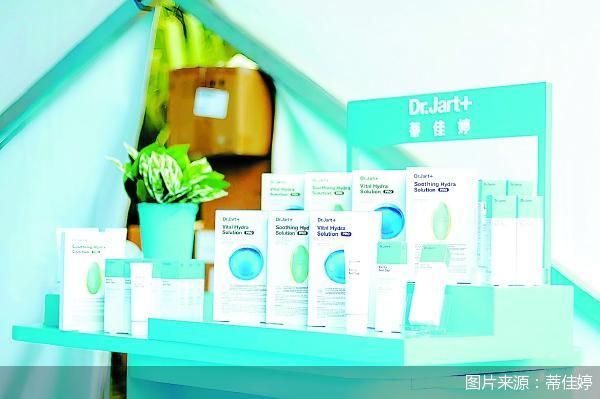
出售蒂佳婷?雅诗兰黛再瘦身
Bei Jing Shang Bao· 2025-12-07 12:29
Core Viewpoint - Estée Lauder is considering selling its Korean beauty brand, Dr. Jart+, amid declining performance and increasing market competition, reflecting a strategic shift towards more promising brands [1][4]. Group 1: Brand Performance and Market Context - Dr. Jart+ was established in 2004 and gained popularity with its "post-medical" positioning, expanding internationally with significant sales growth, particularly in the U.S. and China [3][4]. - After Estée Lauder acquired a one-third stake in Dr. Jart+'s parent company, Have & Be, in 2015, the brand's sales surged from 863 billion KRW to 4.898 trillion KRW by 2018, marking over a fivefold increase [4]. - However, Dr. Jart+'s growth has not sustained, with projected revenues for 2025 at approximately $150 million, significantly below the initial target of $500 million [4]. Group 2: Financial Performance of Estée Lauder - Estée Lauder's financial reports indicate a troubling trend, with net sales for fiscal year 2025 dropping to $14.326 billion, an 8% decline, and a net loss of $1.133 billion, a stark contrast to the previous year's profit of $390 million [6]. - The company's various business segments, including skincare and makeup, have experienced revenue declines, with makeup sales down 6% and operating profits in the color cosmetics and fragrance sectors turning negative [6][8]. Group 3: Strategic Shifts and Future Directions - Estée Lauder's new CEO, Stéphane de La Faverie, has initiated a significant transformation strategy called "Beauty Reimagined," focusing on consumer-centric growth and prioritizing investment in high-potential brands [7][10]. - The company is actively evaluating its brand portfolio, with several brands, including Too Faced and Smashbox, potentially on the chopping block due to underperformance [8]. - The strategic shift aims to concentrate resources on luxury and high-growth brands, with over 70% of revenue coming from high-end beauty products like La Mer, while also exploring opportunities in the anti-aging and efficacy-driven segments [10][11].