
海蓝之谜

Search documents
美妆巨头艰难转身,一度陷入困境的雅诗兰黛如何摆脱业绩低迷?|声动早咖啡
声动活泼· 2026-03-25 09:33
Core Viewpoint - Estée Lauder has shown a significant recovery in its financial performance, particularly in the Chinese market, with a revenue of over $4.2 billion in the latest quarter, marking a 6% year-on-year growth and a profit of $160 million, reversing previous losses [3][4]. Group 1: Financial Performance - The latest quarterly revenue of Estée Lauder exceeded $4.2 billion, achieving a 6% year-on-year growth and a profit of $160 million [3]. - In the Chinese market, Estée Lauder experienced a 13% growth, significantly outpacing the overall group performance, and has achieved double-digit growth for two consecutive quarters [3][4]. - The skincare segment remains the core revenue source for the group, with profits in this category increasing by 48% in the latest quarter, driven by high-end brands like La Mer and Estée Lauder [5]. Group 2: Market Trends and Consumer Behavior - The rise of domestic brands and alternative products has challenged Estée Lauder's previous growth strategies, leading to a period of declining performance since 2022 [4]. - The "ingredient-focused" culture among consumers has shifted attention from brands to specific skincare components, with 73% of consumers now paying attention to ingredient ratios [6]. - Consumers are increasingly willing to pay higher prices for scientifically formulated skincare products, reflecting a trend towards valuing research-backed efficacy [7]. Group 3: Competitive Landscape - The luxury beauty market in China is showing signs of recovery, with high-end beauty categories performing strongly, contrasting with the sluggish performance of other luxury segments like leather goods and watches [5]. - Competitors like L'Oréal have also returned to growth in the Chinese market, with significant investments in high-end brands, indicating intensified competition in the luxury beauty sector [12]. Group 4: Challenges and Strategic Adjustments - Estée Lauder's reliance on travel retail has been a critical channel, but the pandemic has severely impacted this segment, leading to inventory buildup and necessitating aggressive discounting strategies [10][11]. - The new CEO has initiated a strategy to reduce dependence on travel retail and manage inventory more effectively, while also responding to the recovery of outbound tourism [11]. - Despite signs of recovery, challenges remain, including potential profit margin impacts from tariff changes and ongoing competition from rivals like L'Oréal [12].



国际化妆品医美公司25年业绩跟踪报告:全球业绩陆续企稳,中国市场曙光现
Shenwan Hongyuan Securities· 2026-03-20 08:19
Investment Rating - The report maintains a "Positive" outlook on international cosmetics and medical beauty companies for 2025 [2]. Core Insights - The global beauty market is expected to grow at a slow pace of 3.5% in 2025, down from 4.5% in 2024 and 8% in 2023, indicating a continued decline in demand [3][13]. - In the Chinese market, the cosmetics retail sales growth is projected to improve to 5.1% in 2025, recovering from negative growth in 2024, with international brands seeing a resurgence [3][18]. - Major international companies like L'Oréal and Procter & Gamble are expected to show stable growth, while others may face revenue pressures [3][14]. Summary by Sections 1. Global Beauty Market Performance - The global beauty market is stabilizing after a period of decline, with a growth rate of 3.5% in 2025 [3][13]. - Demand-side weaknesses continue to challenge international groups, necessitating strategic adjustments [14]. 2. L'Oréal's Performance - L'Oréal's revenue growth for 2025 is projected at 1.3%, with a slight improvement in Q4 compared to Q3 [3][24]. - The company is focusing on brand acquisitions and enhancing its online presence in China to adapt to market changes [21][24]. 3. Estée Lauder's Strategy - Estée Lauder's overall revenue for 2025 is expected to be $14.67 billion, reflecting a 3.3% decline year-over-year, but Q4 shows a positive growth trend [3][47]. - The company is implementing strategic reforms to address previous challenges, particularly in the Chinese market [44][47]. 4. Shiseido's Challenges - Shiseido's revenue is forecasted to decline by 2.1% in 2025, with operating profit turning negative [3][17]. - The company is experiencing fluctuations in performance, particularly in the Chinese market, which is expected to remain volatile [3][18]. 5. Investment Recommendations - The report recommends focusing on companies with strong channel and brand matrices, such as Mao Ge Ping and Shangmei, as well as those with improving performance like Proya and Marubi [4]. - In the medical beauty sector, companies with strong R&D capabilities and product pipelines, such as Aimeike and Langzi, are highlighted as potential investment opportunities [4].


深度|外资美妆,正在重新梳理“中国故事”
FBeauty未来迹· 2026-03-13 13:39
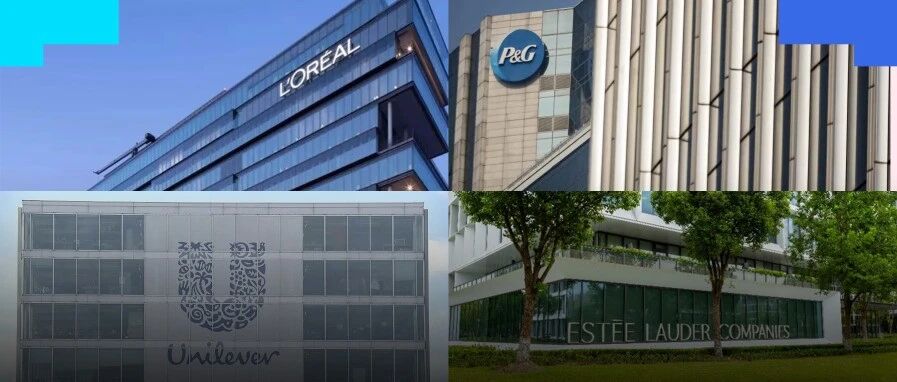
Core Viewpoint - The global beauty industry remains dominated by foreign giants, but in the Chinese market, local brands are rapidly gaining market share, indicating a shift in competitive dynamics [2][21]. Group 1: Global Market Overview - In 2025, L'Oréal leads the global beauty industry with revenue exceeding 356.36 billion RMB, significantly larger than its closest competitors, Unilever and Procter & Gamble, whose revenues are approximately 205.87 billion RMB and around 100 billion RMB respectively [5]. - The top ten companies in the beauty sector show a slowdown in growth, with nearly half experiencing revenue declines due to global consumption slowdowns and inventory adjustments [7]. - Puig and Galderma are notable exceptions, with Puig achieving a 5.3% growth and Galderma a remarkable 17.7% growth, highlighting the resilience of specialized beauty companies [9]. Group 2: Regional Insights - Japanese beauty companies are undergoing structural adjustments, with Shiseido focusing on core brands and improving profitability, while Kao is also seeing growth in its cosmetics business due to a recovery in the Chinese market [10][17]. - Korean beauty companies show a split performance; Amorepacific grew by 8.5% driven by emerging markets, while LG Household & Health recorded a 6.7% decline, reflecting challenges in the Greater China region [10][11]. Group 3: Chinese Market Dynamics - By 2025, domestic brands have captured 57.37% of the Chinese beauty market, a significant increase from less than 30% a decade ago, indicating a structural shift in market dynamics [2][21]. - International beauty companies are increasingly viewing the Chinese market as a critical battleground for testing organizational and innovative capabilities, rather than just a growth engine [23]. - L'Oréal's revenue in North Asia, including China, was approximately 100.75 billion euros, while Estée Lauder reported 27.41 billion USD in China, showing the competitive landscape between foreign and local brands [20]. Group 4: Strategic Adjustments - Estée Lauder has upgraded China to an independent reporting region, reflecting its strategic importance and allowing for more localized decision-making [23]. - Procter & Gamble has established a "Brand Growth Department" in China to enhance agility and responsiveness to market changes [25]. - Companies are adapting to the unique Chinese market ecosystem, with a focus on digital marketing and e-commerce channels, as seen with L'Oréal and SK-II's performance on platforms like Douyin [28].

高德美营收50亿美元,全球美妆十强要重排座次?
FBeauty未来迹· 2026-03-07 13:13
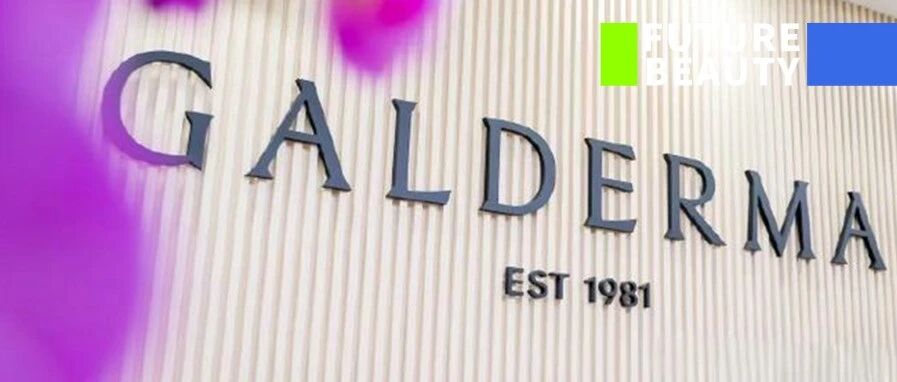
Core Viewpoint - In a slowing global beauty industry, Galderma, a skin-focused company, has achieved significant growth, with net sales surpassing $5 billion for the first time, reaching $5.207 billion (approximately 358.92 billion RMB), a year-on-year increase of 17.7% [3][4]. Financial Performance - Galderma's record financial performance in 2025 includes growth across all product categories and major regional markets, driven by a clear strategic positioning and a science-based innovation approach [4]. - The company projects a net sales growth of 17%-20% for 2026 at constant exchange rates, with core EBITDA margin expected to reach approximately 26% [4]. Market Position - Galderma ranks 11th among global beauty groups with a revenue of $5.207 billion, closing the gap with the 10th place Coty, which is only about $500 million ahead [7]. - The company's growth is attributed to the success of its three main business segments, which complement each other in revenue contribution, profit margins, innovation potential, and resilience [7]. Business Segments - The Injectable Aesthetics segment is the largest revenue source, with net sales of $2.572 billion, showing a year-on-year growth of 11.5% [8]. - The Dermatological Skincare segment generated net sales of $1.449 billion, with a year-on-year increase of 9.3%, driven by strong performances from brands like Cetaphil and Alastin [8]. - The Therapeutic Dermatology segment experienced the fastest growth, with net sales of $1.185 billion, a remarkable year-on-year increase of 50.2%, largely due to the performance of the Nemluvio brand [8]. Strategic Execution in China - China has become a key testing ground for Galderma's strategic execution, with a focus on integrating global products, cross-segment collaboration, and local research to build a comprehensive health management system [9]. - The brand Cetaphil has been a significant driver of growth in China, particularly during promotional events like Double Eleven, outperforming the overall skincare market [9]. Product Innovations - In 2025, Galderma introduced several key products to the Chinese market, including the globally recognized regenerative aesthetic product Sculptra, marking a strategic move into the Chinese regenerative aesthetic market [11]. - The launch of the innovative perioperative skincare brand Alastin further extends the company's offerings from treatment to pre- and post-procedure care, creating a complete "injection + care" loop [11]. Research and Development - Galderma is advancing its R&D investments in China, with a clinical study focusing on the biological impacts of lifestyle and environmental factors on sensitive skin populations [13]. - The company has established a robust R&D network with over 650 personnel across 33 global research bases, emphasizing clinical validation and efficacy in product development [20]. Competitive Landscape - The global beauty industry is witnessing a shift towards medical aesthetics, with major players like L'Oréal and Estée Lauder increasing their focus on this high-growth segment [14][15]. - Galderma's unique vertical integration model allows it to meet diverse consumer needs across different skin conditions and life stages, creating a competitive moat that traditional beauty brands find hard to replicate [21].
高端美妆又行了,上海柜姐:每天“一车车”发货|新春走基层
Xin Lang Cai Jing· 2026-02-15 02:08
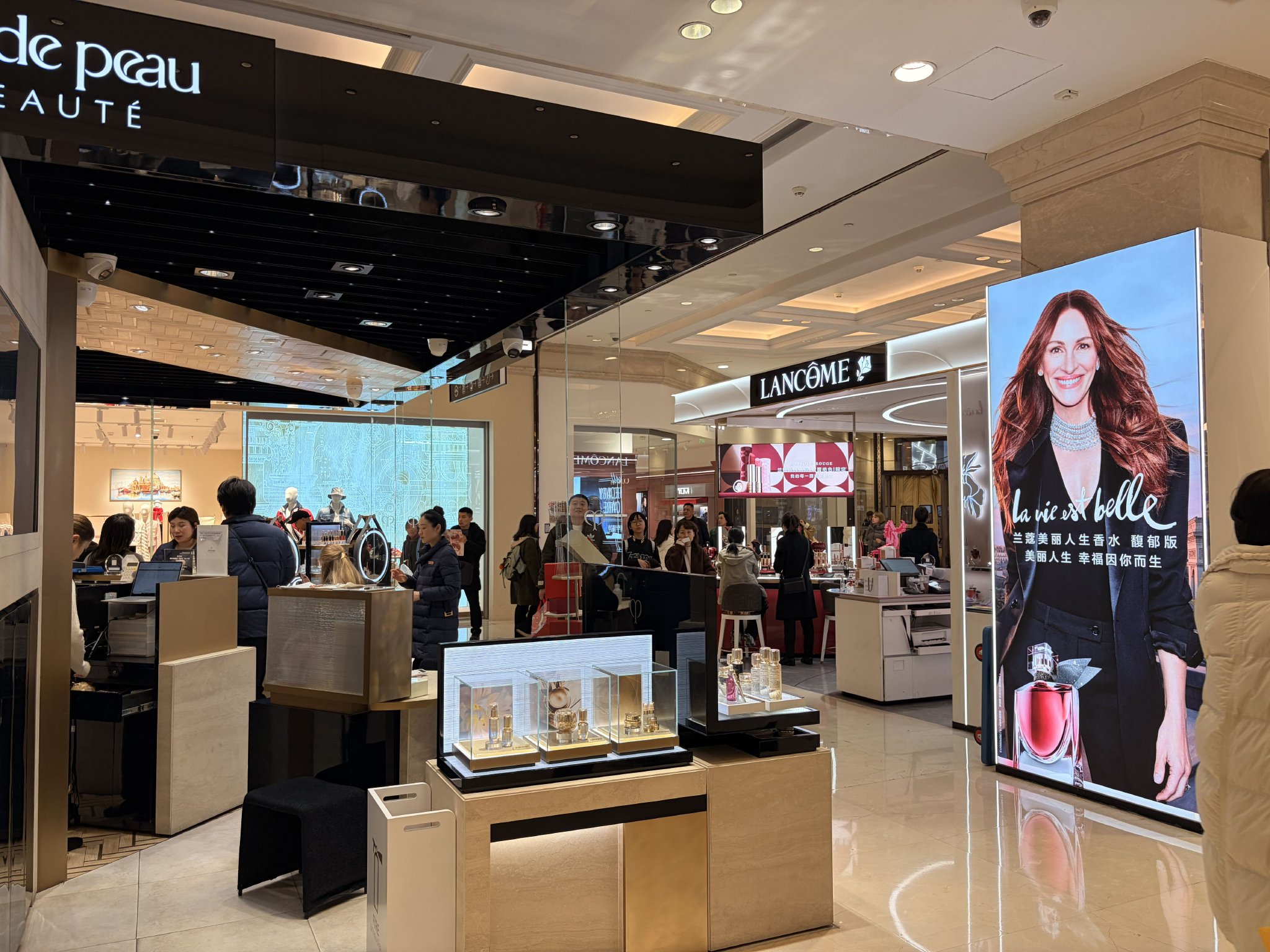
Core Viewpoint - The financial reports from major beauty groups indicate a recovery trend in China's high-end beauty market in the second half of 2025 [1] Group 1: Financial Performance and Market Trends - L'Oréal's sales growth in mainland China is projected to be 1% in the first half and 5% in the second half of 2025, contributing to growth in the North Asia region [2] - Estée Lauder and Shiseido have adjusted their financial reporting, with Estée Lauder separating mainland China from the Asia-Pacific market starting in Q2 2025, and Shiseido merging its China and travel retail businesses [2] - Estée Lauder's revenue growth in mainland China for Q2 to Q4 of 2025 is expected to be -2%, 9%, and 13% respectively, while Shiseido's comparable sales growth is projected at -14%, -7%, 8%, and 2% for the same quarters [2] - Bain & Company's report indicates that the beauty and personal care category will be the first to recover positive growth in 2025, while other luxury categories are still in a phase of decline [2] Group 2: Consumer Behavior and Market Dynamics - Increased consumer traffic in beauty sections of malls, particularly during the pre-Spring Festival period, indicates a rise in purchasing activity [3][4] - The beauty market is expected to rebound in 2025 after a slight decline in 2024, with a projected growth rate of 5.1% [7] - High-end brands are adjusting prices and inventory to facilitate recovery, with a notable shift of consumers from high-end to mass brands due to improved offerings and competitive pricing [11][17] Group 3: Product Innovation and Market Strategy - Major beauty brands are focusing on localized research and innovation in China, with L'Oréal, Estée Lauder, and Shiseido establishing R&D centers in Shanghai [19] - New product launches and collaborations, such as L'Oréal's partnership with Huashan Hospital and Shiseido's introduction of a new medical beauty brand, reflect a trend towards localized product development [20] - The market is shifting towards more specialized segments, such as scalp care and lip care, indicating a move from basic skincare to more refined personal care [12][13] Group 4: Long-term Market Outlook - The sustainability of current growth drivers, such as price reductions and niche market expansions, remains uncertain [14] - The beauty market is entering a phase of stock competition, with brands needing to enhance core competitiveness and adapt to changing consumer preferences [18] - The demand for high-end beauty products persists, but consumers are increasingly discerning, leading to a need for brands to align pricing with product value [17]
雅诗兰黛全球业绩修复 中国市场成为增长极
Jing Ji Wang· 2026-02-09 08:41
Group 1 - The core point of the article is that Estée Lauder Companies reported a strong performance in Q2 of fiscal year 2026, with net sales increasing by 6% year-over-year and net profit turning from a loss of $590 million in the same period last year to a profit of $162 million [1] - The company highlighted that the sales in the mainland China market showed robust performance with double-digit organic growth for two consecutive quarters, becoming a key driver of the company's performance recovery [1] - Estée Lauder's Q2 net sales reached $4.2 billion, with an adjusted operating margin improving from 11.5% to 14.4%. The company raised its full-year organic sales growth forecast to 1% to 3% and anticipates the first expansion in operating margin in four years [1] Group 2 - The CEO of Estée Lauder, Fabrizio Freda, stated that the second-quarter performance was exceptional, further solidifying the strong momentum for the first half of fiscal year 2026. The "Reinventing Beauty" strategy has injected new vitality into the business, driving the largest operational, leadership, and cultural transformation in the company's history [2] - Estée Lauder, founded in 1946, owns several well-known brands including Estée Lauder, La Mer, Clinique, and M.A.C, and its business is categorized into five segments: skincare, makeup, fragrance, hair care, and others [2]
中国高端美妆市场表现亮眼,雅诗兰黛扭亏
Bei Jing Shang Bao· 2026-02-08 11:28
Core Viewpoint - Estée Lauder's "Reimagining Beauty" transformation strategy has shown positive results after one year, with significant improvements in sales and profitability in the second quarter of fiscal year 2026 [1][3] Financial Performance - In Q2 of fiscal year 2026, Estée Lauder achieved net sales of $4.2 billion, a 6% year-over-year increase, with organic net sales growing by 4% [1] - The company reported a net profit of $162 million, recovering from losses in the previous year [1] - For the first half of fiscal year 2026, net sales increased by 5% to $7.71 billion, with net profit turning from a loss of $746 million to a profit of $209 million [1] Market Performance - The growth in the Chinese mainland market was particularly notable, with organic net sales increasing by 13% in Q2, marking the second consecutive quarter of double-digit growth [3] - Estée Lauder's performance in the high-end beauty market in China outpaced the overall industry, with market share growth across all categories and channels [3] Strategic Insights - The growth is attributed to the "Profit Recovery and Growth Plan" (PRGP) and effective execution of product innovation and marketing strategies, including the "Double 11" shopping festival [3] - The company's dual strategy of "high-end consolidation and young consumer engagement" has effectively captured both mature and younger consumer segments, enhancing its competitive advantage [4] Future Outlook - Based on strong performance, Estée Lauder has raised its full-year fiscal 2026 outlook, expecting organic net sales growth of 1% to 3% and adjusted operating margin between 9.8% and 10.2% [4] - The company anticipates challenges in the second half of the year but remains optimistic about restoring organic sales growth and achieving operating margin expansion for the first time in four years [5]
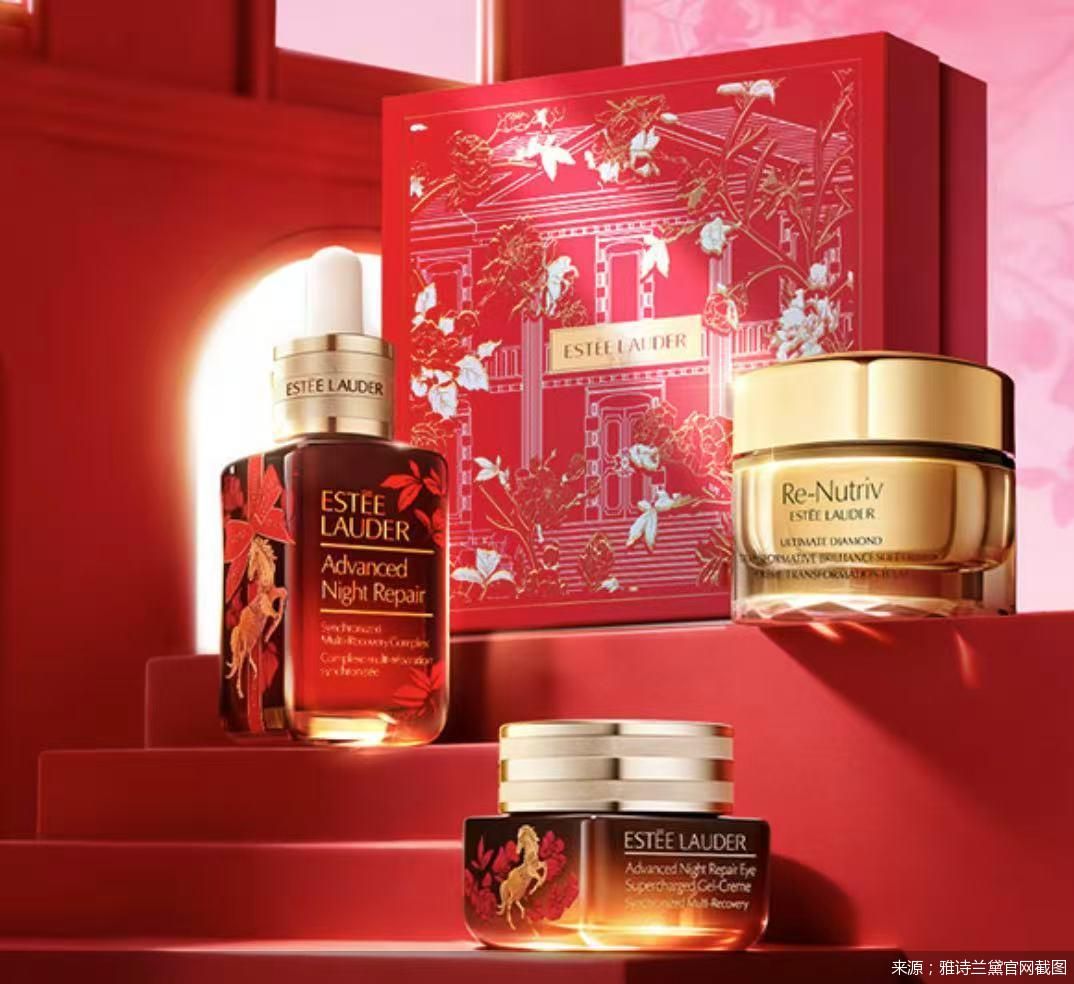
拐点!雅诗兰黛集团全面复苏,中国区13%增幅领跑全球
FBeauty未来迹· 2026-02-06 14:23
Core Viewpoint - Estée Lauder Companies reported strong second-quarter results for fiscal year 2026, exceeding market expectations and continuing positive growth from the first quarter [3][4]. Financial Performance - The company raised its full-year guidance for fiscal year 2026, expecting organic net sales growth of 1%-3% and adjusted operating margin of 9.8%-10.2% [4]. - Net sales reached $4.229 billion (approximately 260.08 billion RMB), a 6% year-over-year increase [4]. - Adjusted operating margin expanded significantly by 290 basis points to 14.4%, with adjusted EPS rising 43% to $0.89 [4][5]. Market Performance - The skincare and fragrance segments were the main growth drivers, with skincare sales increasing by 7% to $2.054 billion (approximately 126.32 billion RMB) and fragrance sales growing by 9% to $812 million (approximately 49.94 billion RMB) [6][8]. - The China market showed double-digit growth, significantly contributing to the overall performance, driven by strong brand performance during key shopping events [6][13]. Strategic Initiatives - The company is undergoing a comprehensive restructuring under the "Beauty Reimagined" strategy, focusing on operational efficiency and digital transformation [26][30]. - The "Profit Recovery and Growth Plan" (PRGP) aims to optimize global operations and reduce costs, with over 6,000 positions cut to enhance profitability [27][30]. Future Outlook - Despite the strong performance, the company anticipates slower growth in the second half of the fiscal year due to increased consumer-facing investments and external tariff pressures [16][31]. - The focus will shift from recovery to building a sustainable growth model, emphasizing product innovation and market expansion [30][31].

中国区业绩大涨,全球市值第二美妆公司迎来黎明前夜
36氪未来消费· 2026-02-06 13:18
Core Viewpoint - Estée Lauder is undergoing a gradual but clear recovery, as evidenced by its latest financial report showing a net sales increase of $4.229 billion (approximately 29.353 billion RMB), a year-on-year growth of 6%, and a net profit turnaround from a loss of $590 million (approximately 4.095 billion RMB) in the same quarter of the previous fiscal year to a profit of $162 million (approximately 1.124 billion RMB), marking a significant improvement of 127% [3][4]. Financial Performance - The company has achieved double-digit growth for the second consecutive quarter, with skincare, makeup, fragrance, and scalp care all showing growth, and the latter three categories returning to profitability [3]. - For the fiscal year 2026, Estée Lauder anticipates a return to positive revenue growth, projected between 0% and 3% [4]. - Over the past 12 months, the company's stock price has increased by 46.59% [4]. Strategic Initiatives - The recovery strategy, termed "Beauty Reimagined," focuses on cost-cutting measures such as layoffs, outsourcing non-core services, and divesting underperforming brands while reallocating resources to brands and products with growth potential [5]. - Deciem, a Canadian skincare group, has seen sales surpassing the total of all other skincare brands under Estée Lauder, marking a historic first for the company [5]. - The Ordinary, a key brand under Deciem, has been able to innovate products at a faster pace than traditional brands within the group, launching nine new products in the past year [6]. Brand Development - The luxury skincare brand La Mer is transitioning from a single star product to a more comprehensive high-end skincare system, with an increased pace of new product launches [7]. - Estée Lauder has significantly increased its investment in e-commerce platforms like Amazon, Shopify, TikTok, and Douyin, adopting an aggressive advertising strategy that matches advertising spend to revenue [7]. - Online sales now contribute nearly one-third of the company's total revenue, an increase of approximately 3 percentage points from 2024 [7]. Market Expansion - The company is seeking to rebalance growth by expanding in the Americas and emerging markets without sacrificing its position in the Chinese market [8]. - Estée Lauder has invested in two local Chinese brands, CODEMINT and Melt Season, and is consciously reducing its reliance on duty-free channels in China and South Korea [9]. Asset Management - The company is divesting brands such as Too Faced, Smashbox, and Dr. Jart due to declining growth potential in the competitive market [10]. - The estimated valuation for these assets is in the low nine-digit dollar range, significantly below historical acquisition costs [10]. Investor Focus - Investors are primarily concerned with the company's ability to achieve moderate sales growth without exacerbating balance sheet pressures and the timeline for a return to profitability [11]. - The recovery path is expected to require time, patience, and consistent execution [12].

Estée Lauder(EL) - 2026 Q2 - Earnings Call Transcript
2026-02-05 14:32
Financial Data and Key Metrics Changes - The company reported a 4% year-over-year organic sales growth, with a 43% increase in EPS, rising from $0.62 to $0.89 [5][20][23] - Gross margin expanded by 40 basis points to 76.5%, while operating margin increased by 290 basis points to 14.4% [22][27] - The effective tax rate decreased to 39.8% from 42.6% due to lower tax expenses related to stock-based compensation [23] Business Line Data and Key Metrics Changes - Skincare and fragrance segments both grew by 6%, contributing significantly to overall sales growth [20] - Makeup category remains at a break-even level, with ongoing efforts to improve profitability through innovation and distribution strategies [60][62] Market Data and Key Metrics Changes - Retail sales in Mainland China showed double-digit growth, outperforming the prestige beauty market [7][8] - In North America, sales were flat, with improvements noted in market share and volume, particularly in skincare and makeup [34][36][80] Company Strategy and Development Direction - The company is focused on its "Beauty Reimagined" initiative, aiming for operational, leadership, and cultural transformation to enhance consumer-centricity [6][15] - Expansion into high-growth channels such as Amazon and TikTok Shop is a priority, with 12 brands now present on Amazon [9][88] - The company is also investing in travel retail and pharmacy channels to diversify its business [10][12] Management's Comments on Operating Environment and Future Outlook - Management expressed confidence in the company's turnaround, raising the fiscal 2026 outlook for organic sales growth to a range of 1%-3% [15][26] - Despite challenges in the macroeconomic environment, particularly in Western Europe, management sees opportunities for improvement [16][26] - The company anticipates a stronger Q4 compared to Q3, driven by innovation and consumer engagement strategies [38] Other Important Information - The company is on track for innovation to represent at least 25% of sales, with a goal to increase the percentage of innovations launched in less than a year [12] - Significant progress has been made in cash flow generation, with net cash flows from operating activities improving to $785 million [25] Q&A Session Questions and Answers Question: Insights on Americas performance and growth expectations - Management acknowledged the flat growth in the Americas but highlighted improvements in market share and volume, particularly in skincare and makeup [34][36] Question: State of the travel retail business - Management reported strong momentum in Hainan, with improved conversion rates and market share across multiple brands, despite disruptions in other travel retail areas [44][49] Question: Profitability in the makeup segment - Management noted that makeup profitability was impacted by innovation returns but expects improvements as new products are launched and distribution is optimized [60][62] Question: Promotional environment in China - Management emphasized the importance of maintaining strong performance during promotional periods while also focusing on everyday consumer engagement and experience [71][74]