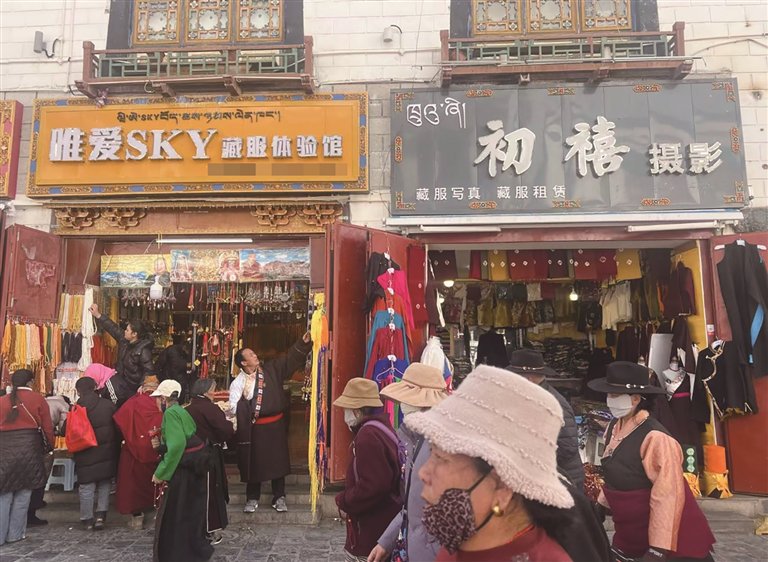
藏服写真

Search documents
拉萨商圈夏冬换季,小商户灵活转型迎客群
Xin Lang Cai Jing· 2026-01-31 02:59
Core Insights - The article discusses the seasonal economic transformation in Lhasa, Tibet, where local shops adapt their offerings based on the influx of tourists during summer and the needs of local residents in winter [5][6][9]. Group 1: Seasonal Economic Changes - Lhasa experiences a significant shift in consumer demographics and business offerings as seasons change, with summer focusing on tourist-oriented products and winter catering to local needs [5][6]. - From mid-October, local residents and farmers become the primary consumers, leading to increased demand for traditional items such as Tibetan clothing, dried meat, and grains [5][6][10]. Group 2: Business Adaptation Strategies - Local merchants employ a "seasonal switch" strategy, transforming their shops from tourist-focused businesses in summer to local goods providers in winter [6][7]. - Shop owners like Tashi Yongda have successfully adapted their business models by hiring photography teams during peak seasons and selling traditional crafts during off-peak times, demonstrating effective inventory management [7][11]. Group 3: Community and Cultural Significance - The winter market in Lhasa serves as a cultural hub for local residents, fostering community ties and providing essential goods, which enhances the local economy [9][10]. - The relationship between seasonal businesses and local consumers reflects a unique commercial ecosystem that thrives on mutual trust and understanding of seasonal demands [9][11].

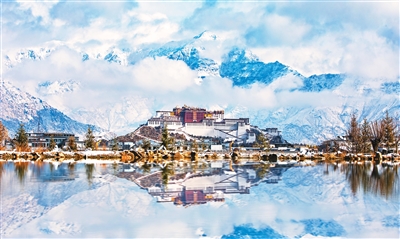
遇见不一样的雪域高原
Ren Min Ri Bao Hai Wai Ban· 2025-11-24 02:21
Core Viewpoint - The winter tourism in Tibet is gaining momentum, driven by government initiatives and innovative tourism products, transforming the region's seasonal tourism dynamics and attracting a growing number of visitors during the winter months [2][4][8]. Group 1: Winter Tourism Initiatives - The "Winter Tourism in Tibet" campaign was launched in 2018, leading to a significant increase in tourist numbers and revenue during the winter season. From January to April 2018, Tibet received 2.667 million domestic tourists, a year-on-year increase of 63.5%, generating over 3.5 billion yuan in tourism revenue, up 62.8% [2]. - The latest round of the "Winter Tourism in Tibet" promotion includes free admission to all A-level tourist attractions, excluding temple sites, and offers incentives for travel agencies and transportation companies [5][6]. Group 2: Unique Attractions and Experiences - Tibet's unique ice and snow resources, including the Himalayas and various glaciers, are becoming key attractions for winter tourism, with activities like skiing, ice skating, and snow viewing gaining popularity [4]. - The emergence of new tourism experiences, such as traditional picnics known as "Lin Ka," has evolved into a multi-faceted cultural tourism model, combining creative markets and specialty dining [3]. Group 3: Economic Impact and Future Prospects - In the first ten months of 2025, Tibet welcomed 67.72 million domestic and international tourists, a year-on-year increase of 10.89%, with total tourism expenditure reaching 78.179 billion yuan, up 9.62% [8]. - Future plans include optimizing winter tourism policies, enhancing product offerings, and improving service quality to further boost tourism growth and establish Tibet as a significant cultural tourism destination [8].