虾稻

Search documents
湖北公安长江村:共治共享点亮村容村貌
Xin Hua She· 2026-02-07 03:45
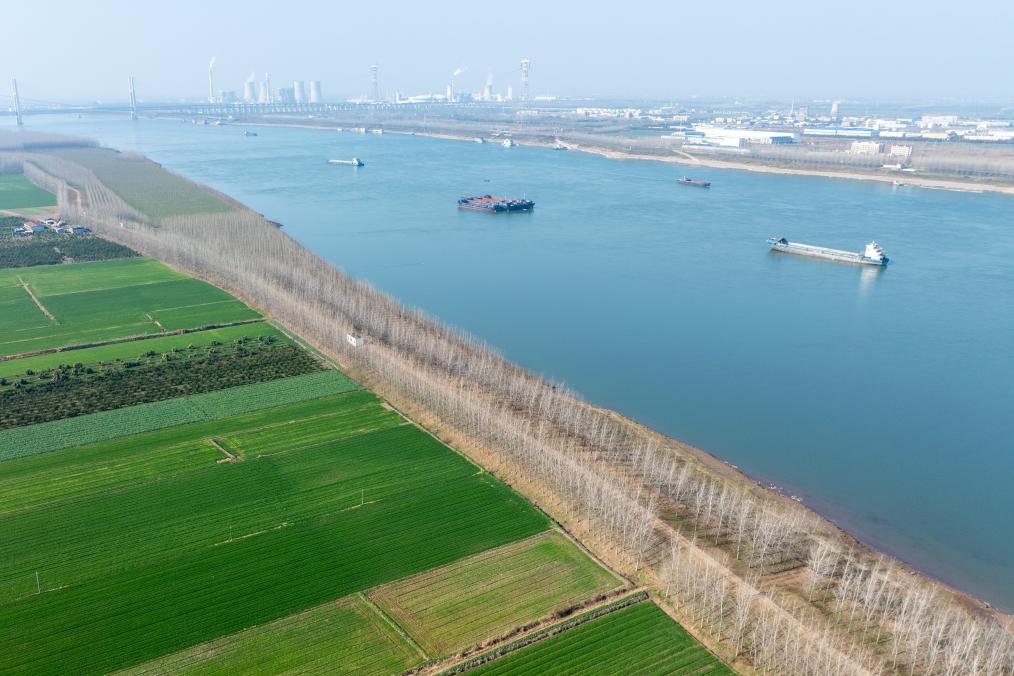
Core Viewpoint - The transformation of Changjiang Village from a poverty-stricken area to a thriving community is attributed to improved infrastructure, effective governance, and the development of agricultural and tourism industries. Group 1: Infrastructure Development - The village has seen significant improvements in road conditions, allowing heavy trucks to access fields directly, which enhances the transportation of agricultural products and boosts sales [2]. - The completion of water management projects, including dam regulation and levee reinforcement, has alleviated flooding concerns, contributing to a better living environment [1]. Group 2: Agricultural Growth - Changjiang Village has developed a diverse agricultural model, with 5,500 acres dedicated to navel oranges and 4,500 acres to shrimp-rice farming, leading to a substantial increase in collective economic income from over 300,000 yuan to more than 1.2 million yuan annually [2]. - The village is planning to establish a sorting center for navel oranges to enhance product value and is exploring e-commerce opportunities to stabilize prices and improve market access [3]. Group 3: Community Engagement and Governance - Regular village meetings have become a norm, fostering community participation in decision-making processes, which is seen as a key factor in the village's improvement [3]. - Initiatives such as technical training in agriculture and the establishment of a convenience service team aim to enhance local services and community welfare [3].
新春走基层·十村十年看长江之变丨湖北公安长江村:共治共享点亮村容村貌
Xin Hua She· 2026-02-06 23:29
Core Viewpoint - The transformation of Changjiang Village in Hubei Province is highlighted, showcasing improvements in infrastructure, agriculture, and community engagement, leading to enhanced economic conditions and quality of life for residents [1][2]. Infrastructure Development - The village has seen significant improvements in road infrastructure, transitioning from muddy paths to paved roads, facilitating better transportation for agricultural products [2]. - The construction of high-standard farmland has been a key opportunity for the village, allowing for the development of specialized agricultural industries [2]. Agricultural Advancements - The area dedicated to growing navel oranges has reached 5,500 acres, while shrimp-rice cultivation covers 4,500 acres, creating a diversified agricultural model [2]. - The collective economic income of the village has increased from over 300,000 yuan to more than 1.2 million yuan annually, reflecting the success of these agricultural initiatives [2]. Community Engagement and Governance - Regular village meetings have become a norm, fostering community participation in decision-making processes [1]. - The village has established a service team to create a "15-minute convenience service circle," enhancing local support and resources for residents [4]. Tourism and Economic Diversification - The introduction of the "Memory of Jiangnan Slow Life" project aims to integrate tourism, agricultural experiences, and rural hospitality, indicating a shift towards agritourism [4]. - Plans for a local agricultural product trading market and cold storage facilities are being discussed to further enhance the economic landscape of the village [4].