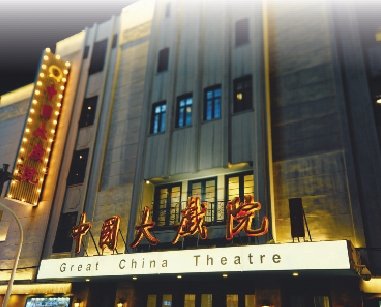
行进式夜游话剧《夜半伶歌》

Search documents
戏脉传九秩 津门续新章
Xin Lang Cai Jing· 2026-02-19 20:56
Core Insights - The documentary "Old Brand, New Wave" highlights the cultural significance of the China Grand Theatre in Tianjin, showcasing it as a living cultural gene rather than just a commercial symbol [1][2] Group 1: Historical Significance - The China Grand Theatre has evolved beyond a mere performance venue to become a spiritual landmark and a carrier of Tianjin's stage arts [2] - The theatre's opening night in 1936 marked a pivotal moment in the history of Chinese opera, with renowned artists like Ma Lianliang performing, establishing Tianjin as a benchmark in the national opera scene [2] Group 2: Cultural Development - The theatre is set to celebrate its 90th anniversary in 2026, with a series of six themed events planned to embrace both traditional and modern art forms, including Peking opera and musicals [3] - The introduction of advanced technologies like 4K laser and surround sound aims to create a "smart theatre" experience, allowing audiences to enjoy global art without leaving Tianjin [3] Group 3: Innovation and Transformation - The theatre is transforming into a multi-functional space that combines cultural experiences, arts education, and themed consumption, moving beyond its traditional role [4] - Innovative formats such as immersive performances and flash events are being introduced to engage audiences and revitalize historical narratives while adhering to cultural preservation principles [4] Group 4: Future Vision - The commitment to cultural heritage and innovation is emphasized, with a focus on continuing the legacy of past artists while adapting to contemporary artistic expressions [4]
“老戏码” 也能成“新顶流”
Xin Lang Cai Jing· 2026-02-10 22:10
Core Viewpoint - The article highlights the transformation of cultural consumption in Tianjin, particularly through immersive and interactive theatrical experiences that attract audiences during the Spring Festival, reflecting a shift from traditional viewing to active participation in performances [3][4]. Group 1: Cultural Experience - The immersive night tour drama "Night Half Ling Song" allows audiences to experience traditional art in a novel way, emphasizing the integration of old and new cultural elements [3]. - The traditional practice of enjoying performances during the Spring Festival is evolving, with a focus on creating new demands through innovative offerings and high-quality productions [3][4]. Group 2: Innovative Performances - The upcoming "New Spring Art Fair" at the China Grand Theatre will feature interactive experiences, such as exploring the history of Peking opera and engaging with performers in a dynamic setting [4]. - The article notes that creative and heartfelt content can rejuvenate traditional performances, making them appealing to younger audiences [4]. Group 3: Economic Impact - The article discusses the need for careful planning and collaboration among various stakeholders to maximize the potential of the performing arts economy, suggesting a comprehensive approach to cultural consumption that includes local businesses and tourism [4]. - The government is encouraged to promote quality cultural offerings to reach grassroots levels, enhancing the overall cultural experience and stimulating local economies [4].

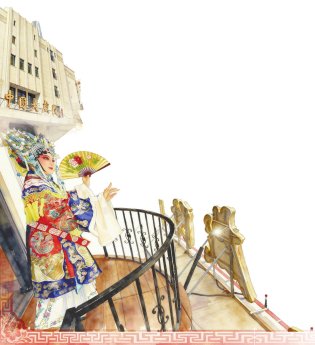
90岁大戏院唱响时代新声
Xin Lang Cai Jing· 2026-01-28 22:02
Core Viewpoint - The Tianjin China Grand Theatre has successfully transformed into a modern cultural space while preserving its historical significance, balancing heritage protection with innovative upgrades to attract younger audiences and enhance cultural experiences [4][10][17]. Group 1: Audience Engagement and Experience - The theatre has introduced immersive performances like the night tour play "Midnight Song," which allows a close interaction between the audience and actors, enhancing the overall viewing experience [5][9]. - The theatre's programming includes a variety of performances tailored to different audience preferences, such as family-friendly ear plays during the day and social events in the evening [9]. - The introduction of environment-style ear plays and modern cabaret shows has attracted a younger demographic, making the theatre a trendy cultural spot [6][7]. Group 2: Cultural and Historical Significance - The China Grand Theatre, established in 1936, is a rare example of a historical theatre that has maintained its original location and continuous performances for 90 years, making it a vital cultural heritage site [4][10]. - The theatre's renovation respects its historical architecture, ensuring that any modifications are reversible and do not compromise the building's integrity [10][11]. - The theatre showcases valuable artifacts and historical items, allowing visitors to connect with the rich cultural history of Chinese performing arts [12]. Group 3: Innovation and Modernization - The theatre has implemented a comprehensive upgrade strategy focusing on enhancing audience experience, expanding its audience base, and increasing interactivity through various innovative projects [5][9]. - The integration of modern amenities, such as themed cafes and photo studios, extends the cultural experience beyond performances, creating a multifaceted cultural space [7][8]. - The theatre actively utilizes social media platforms for promotion and audience engagement, fostering a community around traditional arts [8][9]. Group 4: Future Directions and Cultural Impact - The theatre plans to celebrate its 90th anniversary with a year-long series of traditional performances, aiming to strengthen its role in cultural transmission and community engagement [13][17]. - The success of the China Grand Theatre serves as a model for revitalizing historical cultural sites across the country, emphasizing the importance of innovation in preserving cultural heritage [14][15][17]. - The theatre's approach highlights the potential for historical venues to adapt and thrive in contemporary society, contributing to the cultural richness and vibrancy of urban life [16][17].