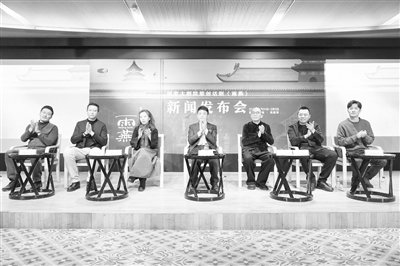
话剧《雨燕》

Search documents
“雨燕”舞中轴 巍巍堪栋梁
Xin Lang Cai Jing· 2026-02-05 19:12
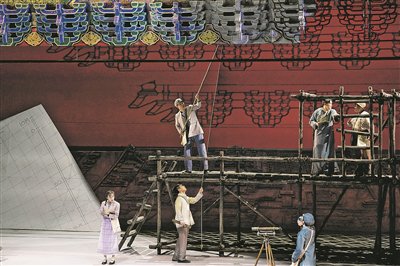
Core Viewpoint - The original play "Rain Swallow" presented at the National Grand Theatre highlights a lesser-known aspect of cultural resistance during the Second Sino-Japanese War, focusing on a youth surveying team that aimed to preserve Chinese architectural heritage amidst the turmoil of war [2][3]. Group 1: Historical Context - The play is based on the real historical efforts of Liang Sicheng and his colleagues who conducted systematic surveys of ancient Chinese architecture during the early years of the war, establishing the concept of the "central axis" and laying a significant academic foundation for the protection of architectural heritage in China [3]. - The narrative follows young individuals from various backgrounds who passionately engage in surveying work, facing numerous challenges and moral dilemmas as they navigate the dangers of war while striving to complete their urgent tasks [3]. Group 2: Artistic Presentation - The visual theme of the play revolves around "a drawing lifted by the times," blending elements of ancient architectural components with surveying blueprints, creating a unique aesthetic that reflects traditional Chinese beauty [4]. - The play incorporates rich auditory elements, including local Beijing dialects and traditional music, which contribute to its strong cultural imprint and enhance the overall experience [4]. Group 3: Creative Process - The playwright, Tang Ling, spent three years developing the script, emphasizing the dedication of the youth who risked their lives to protect ancient architecture, driven by a belief in preserving national culture [5]. - The creative team conducted extensive research on architectural history and the social atmosphere of Beijing during that period, aiming to bring historical characters to life in a multidimensional manner [6]. Group 4: Stage Design and Execution - Key architectural components on stage were meticulously recreated at a 1:1 scale, providing a powerful visual impact that allows the audience to grasp the physical and emotional weight of the surveying team's work [7]. - The stage design symbolizes the precarious fate of ancient civilization amidst war, with the interplay of tangible architectural elements and intangible concepts of cultural legacy [7].

原创话剧《雨燕》首演
Xin Lang Cai Jing· 2026-02-05 17:12
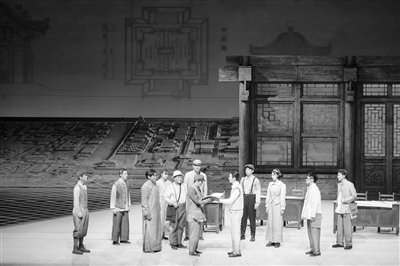
Group 1 - The original play "Rain Swallow" premiered at the National Centre for the Performing Arts, marking the 120th production by the venue [3] - The story is set in 1939 during the occupation of Beiping, focusing on architect Zhang Di and a group of young scholars from the China Academy of Building Research, who secretly mapped ancient buildings along Beijing's central axis amidst the turmoil [3]
原创话剧《雨燕》在京首演 致敬战火下的古建守护者
Xin Lang Cai Jing· 2026-02-01 13:08
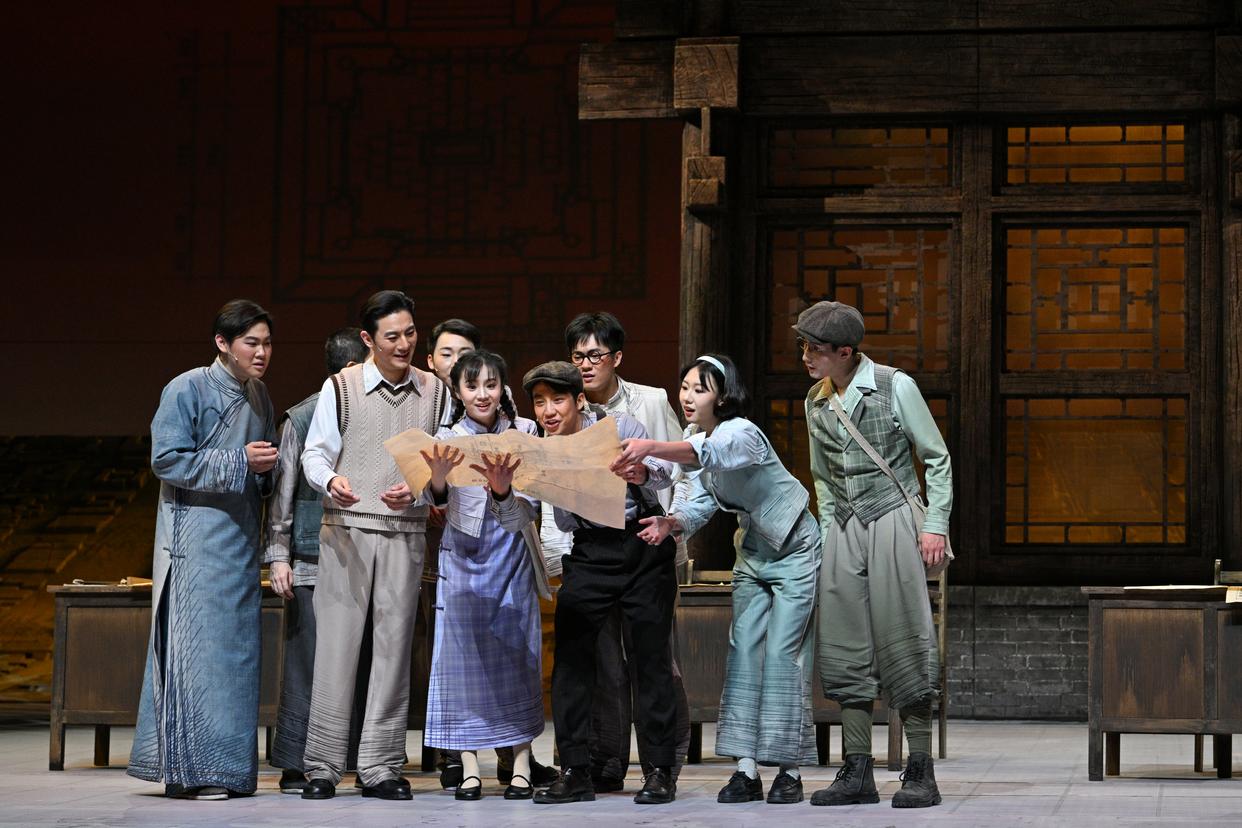
Group 1 - The original play "Rain Swallow" premiered at the National Centre for the Performing Arts on January 31, commemorating the successful application for the UNESCO World Heritage status of Beijing's central axis [1] - The play is a large-scale work created by a top domestic creative team, taking nearly three years to develop [1] - "Rain Swallow" is set against the backdrop of the Anti-Japanese War in 1939 Beijing, showcasing the historical context of the China Architectural Society and the efforts of young scholars in preserving cultural heritage during wartime [1] Group 2 - The narrative emphasizes the meticulous measurement of the Forbidden City, reflecting the intersection of youth and faith in a historical context [3]
中轴线 “文化抗战”!《雨燕》首演还原热血守护
Xin Lang Cai Jing· 2026-02-01 12:06
Core Viewpoint - The original play "Rain Swallow" premiered at the National Grand Theatre on January 31, commemorating the successful application for the UNESCO World Heritage status of Beijing's central axis [1] Group 1 - The play is the 120th production of the National Grand Theatre, specifically created to honor the cultural significance of the central axis [1] - Set against the backdrop of Beiping during the occupation in 1939, the story revolves around a young scholar secretly mapping ancient buildings along the central axis as a form of "cultural resistance" [1] - The production features a top-tier creative team, with meticulous attention to details in stage design and music, showcasing vibrant performances by a diverse cast [1] Group 2 - The play will run until February 3, offering a total of five performances [1]
再现中轴线上的“文化抗战”
Xin Lang Cai Jing· 2026-02-01 06:55
Core Viewpoint - The play "Rain Swallow" reflects a significant yet lesser-known aspect of cultural resistance during the Japanese invasion in 1939, showcasing the efforts of a youth surveying team to preserve Chinese architectural heritage through meticulous measurement and research [2][3]. Group 1: Historical Context - The play is based on the real historical efforts of Liang Sicheng and his colleagues who, despite challenging conditions, conducted systematic surveys of ancient Chinese architecture and proposed the "central axis" concept, which elevated architectural preservation to the level of cultural heritage [3]. - The protagonist, Zhang Di, is based on the renowned architect Zhang Bo, who studied under Liang Sicheng and led students in surveying the Forbidden City [3]. Group 2: Thematic Elements - The narrative portrays the struggles faced by the surveying team, including bureaucratic obstacles, doubts from mentors, and threats from collaborators with the enemy, all while they strive to complete their urgent work amidst the looming war [3]. - The play emphasizes themes of resilience and cultural identity, as the surveying team's efforts culminated in the creation of 704 drawings that capture the essence of the Forbidden City and reflect the indomitable spirit of the Chinese people [3]. Group 3: Artistic Execution - The creation of "Rain Swallow" involved significant research and development, taking three years to refine the script due to the scarcity of historical records from that tumultuous period [4]. - The play incorporates the imagery of the "rain swallow," a bird symbolizing perseverance and a return to one's roots, paralleling the dedication of the architects during difficult times [4]. - The production features a high-quality artistic presentation, with music composed using local auditory symbols and set design inspired by ancient architecture, enhancing the overall cultural experience [4]. Group 4: Performance Feedback - The young cast, while enthusiastic, displayed some shortcomings in performance depth, particularly in dialogue delivery, which sometimes relied on volume rather than emotional variation, leading to a potentially exhausting viewing experience [5]. - The complexity of the architectural knowledge presented in the play necessitates careful consideration in the delivery of explanatory dialogue to avoid overt didacticism, which could detract from the audience's engagement [5].
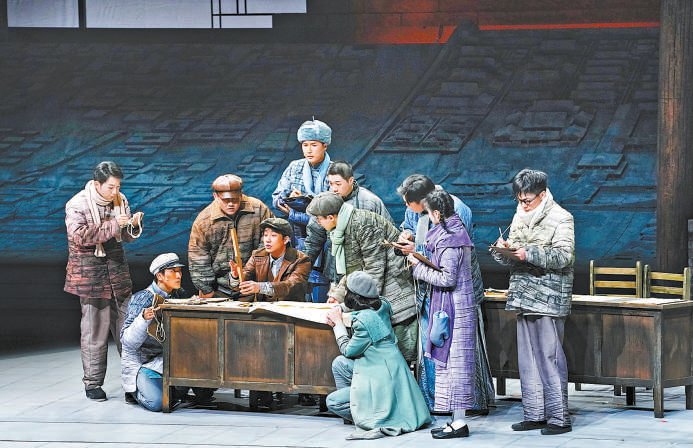
话剧《雨燕》:以笔为刀,再现中轴线上的“文化抗战”
Xin Lang Cai Jing· 2026-01-31 22:36
Core Viewpoint - The play "Rain Swallow" reflects a significant yet lesser-known aspect of cultural resistance during the Japanese invasion in 1939, showcasing the efforts of a youth surveying team to preserve Chinese architectural heritage through meticulous measurement and research [1][3]. Group 1: Historical Context - "Rain Swallow" is based on the real historical efforts of Liang Sicheng and his colleagues who, despite challenging conditions, conducted systematic surveys of ancient Chinese architecture, establishing the concept of the "central axis" and laying a crucial academic foundation for the protection of architectural heritage [3]. - The protagonist, Zhang Di, is inspired by the renowned architect Zhang Bo, who studied under Liang Sicheng and led students in surveying the Forbidden City's central axis and surroundings [3]. Group 2: Thematic Elements - The narrative portrays the struggles faced by the surveying team, including resistance from traditionalists, ambiguous loyalties from mentors, and the cunning of collaborators, all while they grapple with the moral implications of their work amidst the war [3][5]. - The symbolism of the "Rain Swallow," a bird native to Beijing, serves as a metaphor for resilience and the unwavering commitment to return to one's roots, paralleling the architects' dedication to preserving cultural heritage during dark times [5]. Group 3: Production Quality - "Rain Swallow," as the 120th production of the National Grand Theatre, showcases high production quality, with music composed by Lv Liang incorporating local auditory elements, and set design inspired by ancient structures and survey drawings [7]. - The director, Fang Xu, effectively captures the essence of Beijing culture, adding humor and liveliness to the narrative through engaging character interactions and local color [7]. Group 4: Performance Feedback - Despite its strengths, the play exhibits some shortcomings, particularly in the performance of a relatively young cast, which sometimes lacks depth and relies on volume to convey dramatic tension, potentially leading to audience fatigue [10]. - The complexity of the architectural knowledge presented in the play may necessitate clearer explanations, as some dialogue risks coming off as overly didactic, which the actors need to refine for better audience comprehension [10].
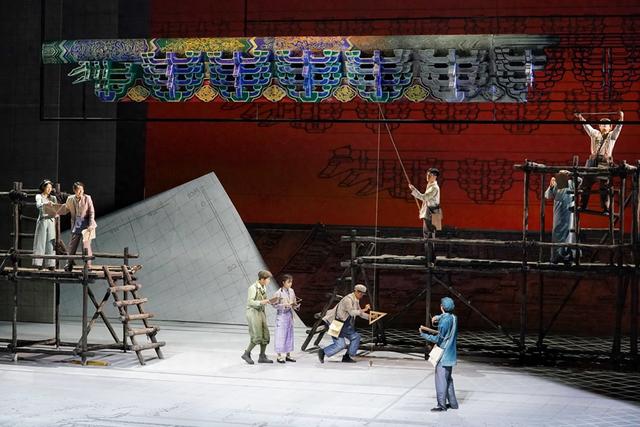
原创话剧《雨燕》月底首演
Xin Lang Cai Jing· 2026-01-19 17:08
Group 1 - The National Grand Theatre's original play "Swallow" will be performed from January 31 to February 3, currently in the final stages of intense rehearsals [3] - The play is written by screenwriter Tang Ling and directed by Fang Xu, depicting the touching journey of a young surveying team secretly mapping ancient buildings along Beijing's central axis during wartime [3]
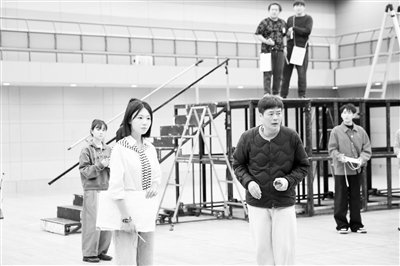
话剧《雨燕》紧张排练,把乱世中的测绘传奇带向大众视野
Xin Lang Cai Jing· 2026-01-19 00:39
Core Viewpoint - The original play "Rain Swallow" is set against a historical backdrop, highlighting the efforts of a youth surveying team in 1939 Beijing to preserve cultural heritage during a tumultuous period, emphasizing their dedication and resilience in the face of adversity [1][3]. Group 1: Historical Context - The play draws inspiration from a youth surveying team that meticulously measured the Forbidden City to protect its cultural significance during the Japanese occupation [1]. - The narrative showcases the intense conflict between the surveying team, who advocate for scientific preservation, and traditionalists who resist changes to ancient structures [3]. Group 2: Character Development and Themes - The character Zhang Di, portrayed by actor Guo Shuo Jie, reflects on the admiration for the surveying team's perseverance amidst external pressures and the inherent challenges of their work [5]. - The director Fang Xu emphasizes the cultural significance of the central axis of Beijing, linking it to personal memories and the broader narrative of Chinese civilization [6]. Group 3: Artistic and Educational Efforts - The cast, including Guo Shuo Jie, engages in extensive research, visiting Tianjin University and the Forbidden City to deepen their understanding of architectural history and enhance their performances [5]. - The production aims to bring the importance of surveying and cultural preservation to a wider audience, highlighting the dedication of those who contributed to safeguarding Chinese heritage [5].
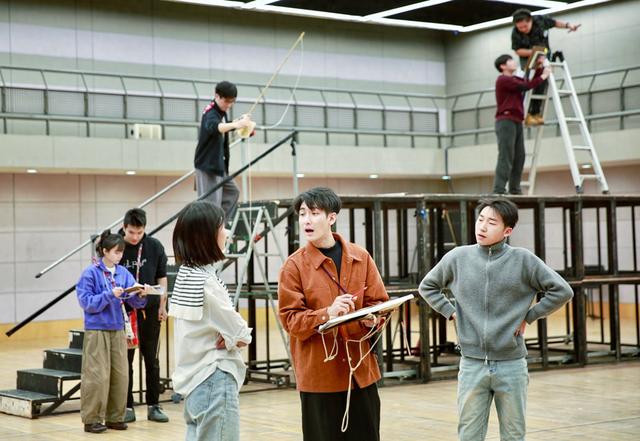
聚焦北京中轴线 国家大剧院原创话剧《雨燕》即将首演
Xin Lang Cai Jing· 2026-01-18 06:08
Core Viewpoint - The original play "Swallow" by the National Grand Theatre is set to premiere, focusing on a group of young surveyors during the 1939 wartime period in Beiping, highlighting their efforts to protect ancient architecture and cultural heritage [1] Group 1 - The play is based on the backdrop of the Anti-Japanese War in 1939, showcasing the story of architect Zhang Di and his team conducting secret surveys of ancient buildings in occupied areas [1] - Over four years, the team managed to capture the essence of the Forbidden City in their drawings, symbolizing the preservation of national wisdom through the central axis [1] - The characters in the play are designed to resonate with contemporary audiences, encouraging a deep reflection on ancient architecture and traditional culture [1] Group 2 - The premiere of "Swallow" is scheduled to take place from January 31 to February 3 [1]
国家大剧院原创话剧《雨燕》即将亮相
Xin Lang Cai Jing· 2026-01-11 17:16
Group 1 - The National Grand Theatre's first original play focusing on Beijing's central axis, titled "Swallow," will premiere from January 31 to February 3 [3] - The play is set against the backdrop of Beiping during the Anti-Japanese War in 1939, telling the story of a young surveying team led by architect Zhang Di, who secretly conducts ancient architecture surveys in occupied areas to protect the essence of Chinese civilization [3] - This production is the first stage work created to commemorate the successful application for World Heritage status of Beijing's central axis [3]