
民族精神

Search documents
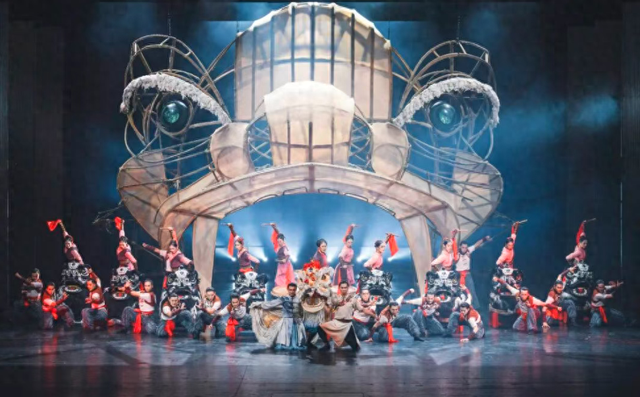
这只“醒狮”炸翻全场!从广东火到全国,国潮舞剧凭什么?
Xin Lang Cai Jing· 2026-02-19 02:32
Core Viewpoint - The dance drama "Awakening Lion" has successfully integrated traditional Guangdong culture with modern performance art, showcasing the resilience and spirit of the Chinese people through its narrative and choreography [5][6][7]. Group 1: Cultural Significance - "Awakening Lion" is considered one of the most representative cultural symbols of Guangdong, with a significant portion of its cast being non-native to the region, highlighting the importance of deep cultural understanding in performance [3][4]. - The creative team conducted extensive field research in various locations in Guangdong to grasp the essence of local traditions, ensuring that the performance is rooted in cultural authenticity [3][4]. Group 2: Performance and Reception - Since its premiere in 2018, "Awakening Lion" has performed over 300 shows across 40 cities in 24 provinces, generating significant interest and enthusiasm for the traditional lion dance [6][8]. - The production has received critical acclaim, culminating in the prestigious Wenhua Award, which recognizes excellence in professional stage arts in China [5][7]. Group 3: Artistic Development - The production team emphasizes continuous refinement of the performance, adapting and improving the show over the years to maintain its quality and relevance [7]. - The integration of various traditional elements, such as Guangdong lion drums and martial arts, enriches the performance and connects it to the region's cultural heritage [6][7]. Group 4: Future Prospects - The production aims to continue touring nationally, bringing the rich heritage of Guangdong culture to a broader audience and fostering a deeper appreciation for intangible cultural heritage [8]. - Upcoming promotional activities by the Ministry of Culture and Tourism are expected to enhance public engagement with non-material cultural heritage, further integrating it into everyday life [7].

文化脊梁,中国李庄 | 故乡里的中国
Jing Ji Guan Cha Bao· 2026-02-18 17:06
Core Viewpoint - The article highlights the historical significance of Lizhuang, a small town in China, during the Second Sino-Japanese War, where numerous scholars and cultural institutions gathered, transforming it into a center of academic and cultural activity [1][10]. Historical Context - In 1940, due to the war, prominent scholars and institutions, including Tongji University and the Central Research Institute, relocated to Lizhuang, which was then a small town with a population of only 3,000 [3][7]. - A telegram stating "Tongji University welcomes, all needs provided" was sent out, leading to over 12,000 scholars and researchers moving to Lizhuang with more than 900 boxes of cultural artifacts [3][4]. Cultural Transformation - The town's infrastructure was repurposed to accommodate the influx of scholars, with temples and ancestral halls converted into classrooms and dormitories [4][6]. - Lizhuang became a hub for significant academic work, with nearly 200 courses offered by around 200 teachers during the six years of occupation [7][8]. Notable Figures and Contributions - Renowned figures such as Liang Sicheng and Lin Huiyin conducted research on Chinese architecture in Lizhuang, while other scholars made significant contributions in various fields despite facing hardships [6][9]. - The town was home to groundbreaking research, including embryology studies by Tong Dizhou, conducted under challenging conditions [9]. Legacy and Recognition - Lizhuang is recognized as one of the four major cultural centers during the war, symbolizing the resilience and spirit of Chinese intellectuals [10]. - The town's historical significance is commemorated through monuments and cultural events, including its recognition as a key location during the 2026 Spring Festival Gala [12][13].
马的意象与生命体验
Xin Lang Cai Jing· 2026-02-17 07:00
Core Perspective - The article highlights the artistic journey of Liu Kaiming, a renowned photographer, who has dedicated ten years to capturing the essence of horses in his photography, reflecting both personal and cultural significance [2][4]. Group 1: Artistic Journey - Liu Kaiming's decade-long commitment to photographing horses in Inner Mongolia showcases his deep connection to the subject, transcending mere aesthetic pursuit to embody a profound artistic expression [2][3]. - His works are characterized by a blend of realism and artistic interpretation, allowing him to convey deeper meanings and emotions through the imagery of horses [3][7]. Group 2: Cultural Significance - Horses symbolize the spirit of the Chinese nation, representing perseverance and progress, which Liu Kaiming captures through decisive moments in his photography [4][5]. - The imagery of horses in Liu's work serves as a metaphor for freedom and the human experience, intertwining cultural narratives with personal reflections [5][8]. Group 3: Visual Techniques - Liu Kaiming skillfully balances black-and-white and color photography, using color to enhance the emotional depth of his images while maintaining a focus on form [6][7]. - His ability to merge abstract and concrete elements in his work creates a unique visual dialogue that resonates with both Eastern and Western aesthetic sensibilities [8].
非遗贺岁让中国年增添传统韵味 多彩庆祝活动点亮新春文化盛宴
Yang Shi Wang· 2026-02-14 07:05
Group 1 - The core theme of the articles revolves around the cultural significance and popularity of traditional folk performances, specifically the Yingge dance in Guangdong and the non-material cultural heritage showcased in Guiyang's Qingyun Market [1][5][10] - Yingge dance, with over 300 years of history, is recognized as a national intangible cultural heritage and serves as a vital expression of local culture and community spirit during the New Year celebrations [1][2] - The Qingyun Market in Guiyang has transformed into a vibrant cultural and tourism hub, featuring various traditional foods and performances, including the Shiqian Mask Dance, which is also a provincial intangible cultural heritage [8][10] Group 2 - The Yingge dance combines elements of dance, martial arts, and opera, and is characterized by its dynamic movements and strong community engagement, reflecting a spirit of unity and resilience among the youth [2][4] - Qingyun Market has successfully integrated intangible cultural heritage with modern consumer culture, resulting in the establishment of 44 intangible heritage brands and 119 cultural retail brands, showcasing the potential for cultural and creative industries [16] - The market features unique crafts such as the Mawei embroidery and Guizhou paper-cutting, highlighting the diversity and complexity of local traditional arts, which are essential for preserving cultural identity [12][14]

骐骥驰骋:以“马的精神”开辟中国式现代化新局面
Xin Lang Cai Jing· 2026-02-08 18:30
Core Concept - The article emphasizes the significance of the "spirit of the horse" as a representation of Chinese civilization, highlighting its attributes of resilience, hard work, and collective effort in the context of national development and cultural identity [1][17]. Group 1: Historical Context - The horse has been a companion to humans for over 6,000 years, with archaeological evidence of domesticated horses in China dating back approximately 4,000 to 3,600 years [2]. - Historical texts and practices, such as the governance of horse management in ancient China, illustrate the horse's integral role in the development of Chinese civilization and its military prowess [2]. - The characteristics of the Mongolian horse, such as endurance and loyalty, symbolize the dialogue between nomadic and agricultural cultures in China [2]. Group 2: Cultural Significance - The "spirit of the horse" embodies the essence of Chinese civilization, reflecting values such as perseverance, responsibility, and the pursuit of excellence [3]. - The concept of "self-improvement" and "thick virtue" are central to Chinese culture, with the horse serving as a metaphor for these ideals [3][13]. - The horse's attributes resonate with the collective spirit of the Chinese people, emphasizing unity and collaboration in achieving common goals [9][8]. Group 3: Modern Implications - The "spirit of the horse" is relevant in the context of China's modernization efforts, with the call for innovation and resilience in the face of challenges [4][7]. - The article discusses the importance of cultural self-awareness and the need to integrate the "spirit of the horse" into contemporary practices to foster national unity and progress [18]. - The achievements in various sectors, such as technology and infrastructure, are seen as manifestations of this spirit, showcasing the collective effort and determination of the Chinese people [7][12].
“宁公遇”给予的精神
Xin Lang Cai Jing· 2026-02-08 08:13
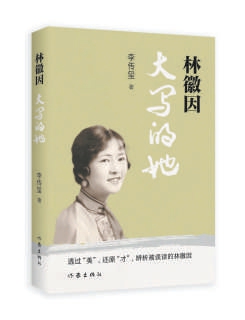
Core Viewpoint - The article discusses the architectural and artistic contributions of Lin Huiyin, emphasizing her influence on modern Chinese architecture and the integration of historical styles into contemporary designs [4][5]. Group 1: Architectural Influence - Lin Huiyin's work on the People's Heroes Monument reflects a conscious effort to incorporate historical styles, particularly from the Han and Tang dynasties, into modern architecture, showcasing a blend of tradition and innovation [4][5]. - The design elements of the monument, such as the floral wreaths and cloud patterns, demonstrate a deep understanding of historical aesthetics, which Lin Huiyin sought to revive and present to the public [3][5]. Group 2: Personal Contributions - Lin Huiyin's extensive writings, including a 13,000-word introduction to "Qing-style Construction Regulations," highlight her commitment to educating the next generation of architects about the importance of historical architecture [4]. - The article suggests that Lin Huiyin's experiences and observations, such as those from the Buddhist temple, significantly shaped her architectural philosophy and design choices, indicating a personal connection to her work [2][3].
纪念聂卫平和我们已远去的青春
Xin Lang Cai Jing· 2026-01-19 23:21
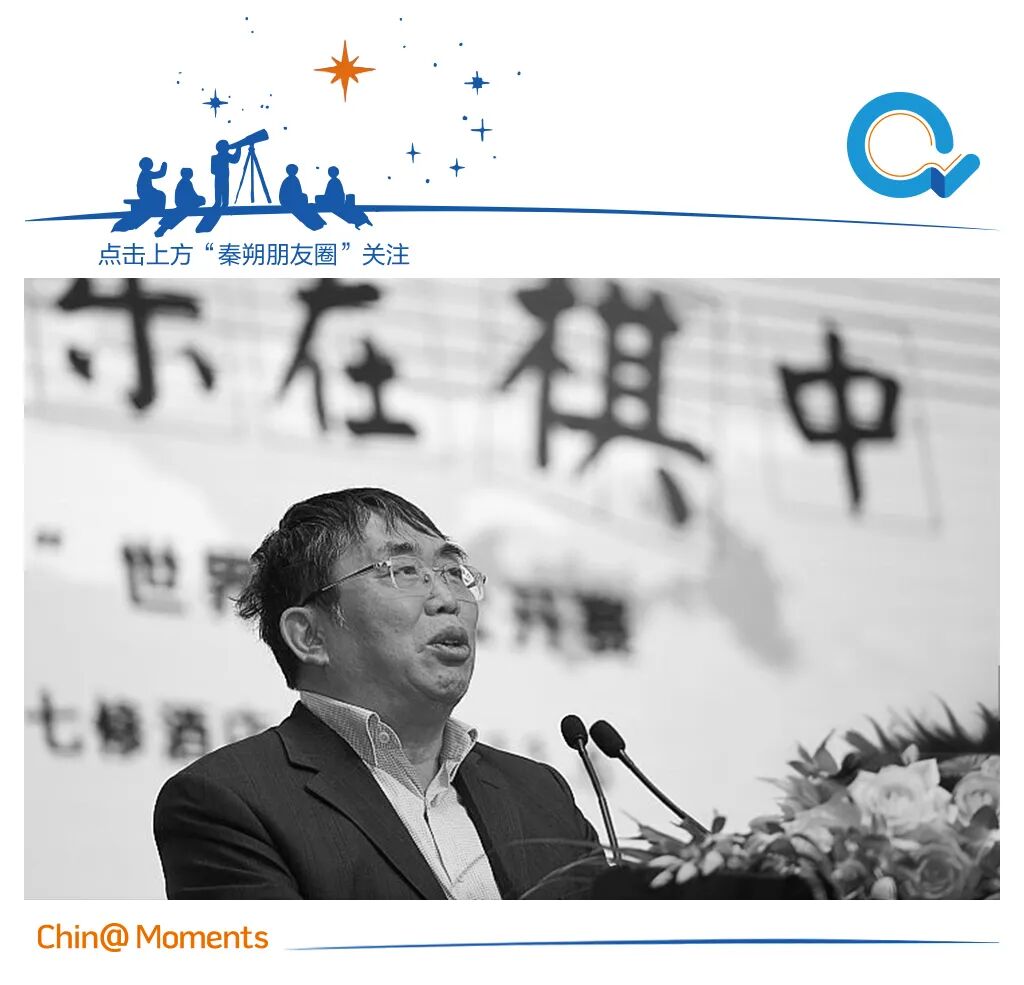
Group 1 - The passing of Nie Weiping, a legendary figure in Go, evokes deep nostalgia and reflection on a bygone era of Chinese Go, highlighting the impact of AI on the current landscape of the game [3] - The first Sino-Japanese Go competition in 1985 marked a significant moment in China's cultural and competitive resurgence, as it occurred during a time of national awakening and realization of past disparities in various fields, including Go [4] - The initial excitement generated by the competition was met with the harsh reality of Japan's superior Go skills, leading to a sense of national pride and hope when Nie Weiping achieved a notable victory against a top Japanese player [7][9] Group 2 - The narrative of Nie Weiping's victories in subsequent competitions, including an impressive eight consecutive wins, symbolizes a broader national spirit of resilience and determination during the 1980s [10][11] - The evolution of the Go scene in China, transitioning from Nie Weiping's era to the rise of other prominent players, reflects the changing dynamics and competitive landscape within the sport [13] - The cultural significance of Go as a representation of national identity and spirit during a transformative period in China is emphasized, showcasing how the game served as a metaphor for the country's struggles and aspirations [14][19]
话剧《雨燕》紧张排练,把乱世中的测绘传奇带向大众视野
Xin Lang Cai Jing· 2026-01-19 00:39
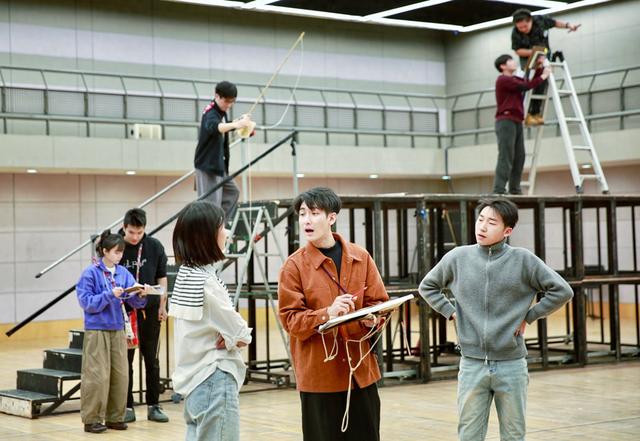
Core Viewpoint - The original play "Rain Swallow" is set against a historical backdrop, highlighting the efforts of a youth surveying team in 1939 Beijing to preserve cultural heritage during a tumultuous period, emphasizing their dedication and resilience in the face of adversity [1][3]. Group 1: Historical Context - The play draws inspiration from a youth surveying team that meticulously measured the Forbidden City to protect its cultural significance during the Japanese occupation [1]. - The narrative showcases the intense conflict between the surveying team, who advocate for scientific preservation, and traditionalists who resist changes to ancient structures [3]. Group 2: Character Development and Themes - The character Zhang Di, portrayed by actor Guo Shuo Jie, reflects on the admiration for the surveying team's perseverance amidst external pressures and the inherent challenges of their work [5]. - The director Fang Xu emphasizes the cultural significance of the central axis of Beijing, linking it to personal memories and the broader narrative of Chinese civilization [6]. Group 3: Artistic and Educational Efforts - The cast, including Guo Shuo Jie, engages in extensive research, visiting Tianjin University and the Forbidden City to deepen their understanding of architectural history and enhance their performances [5]. - The production aims to bring the importance of surveying and cultural preservation to a wider audience, highlighting the dedication of those who contributed to safeguarding Chinese heritage [5].
棋圣的风骨永不退场
Xin Lang Cai Jing· 2026-01-16 19:06
Core Viewpoint - The passing of Nie Weiping, a legendary figure in Chinese Go, marks the end of an era, but his spirit and contributions to the game and national pride will continue to inspire future generations [1][2][3] Group 1: Contributions to Go - Nie Weiping's achievements in the 1980s, particularly in the Sino-Japanese Go matches, played a crucial role in popularizing Go in China and instilling a sense of national pride [1][2] - His legacy includes not only his exceptional skills but also his role as a mentor and promoter of Go, inspiring many young players to pursue the game [2][3] Group 2: Personal Qualities and Influence - Nie Weiping's authenticity and willingness to speak out against injustices earned him respect beyond his Go skills, showcasing a unique personality that resonated with the public [2] - His approach to life, embracing both highs and lows, serves as a model for resilience and passion, reinforcing the values of dedication and humility in the face of adversity [2][3] Group 3: Lasting Impact - The principles and spirit embodied by Nie Weiping have become integral to the identity of Chinese Go, influencing the current generation of players and the overall development of the sport [3] - His legacy is characterized by a deep commitment to the game and a profound understanding of life, which will continue to motivate individuals in their personal and professional endeavors [3]
见贤思齐丨记忆的星火
Zhong Yang Ji Wei Guo Jia Jian Wei Wang Zhan· 2026-01-12 00:18
Core Viewpoint - The article emphasizes the importance of veterans' oral histories in preserving national spirit and inspiring future generations, highlighting the resilience, responsibility, and faith of these individuals as a driving force for contemporary youth [1][2][3]. Group 1: Historical Significance - Veterans' recollections serve as valuable oral historical materials that complement existing literature, filling gaps and providing detailed insights into historical events [3]. - Personal narratives from veterans illustrate the significant role of the populace in historical processes, showcasing their contributions during critical moments in history [3][4]. Group 2: National Spirit - The stories of veterans encapsulate the essence of patriotism as a core component of national spirit, demonstrating qualities such as resilience, selflessness, and determination [4]. - The experiences shared by veterans reflect a deep commitment to the nation, with examples of personal sacrifice and unwavering loyalty to the Communist Party during times of war [5][6]. Group 3: Legacy and Responsibility - The article highlights the responsibility of the current generation to inherit and carry forward the historical legacy and spirit of the veterans, emphasizing the need for dedication and effort in contemporary society [4][7]. - The call to action for youth to embody the values of patriotism and innovation is underscored, linking historical experiences to modern aspirations for national rejuvenation [4][7].