调节性T细胞(Tregs)

Search documents
“日本人是拿了诺奖,但中国更有钱、更会挖人”
Guan Cha Zhe Wang· 2025-10-10 03:50
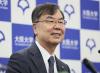
Core Points - Japan has two new Nobel laureates, Shimon Sakaguchi in Physiology or Medicine and Akira Yoshino in Chemistry, which has sparked both celebration and concern regarding the country's ability to retain top research talent [1][3][6] - The recognition of these awards highlights the urgent need for Japan to address the issues of research funding, job security, and institutional rigidity that are driving talented researchers abroad, particularly to China [1][4][7] Group 1: Nobel Prize Winners - Shimon Sakaguchi's research on regulatory T cells has been pivotal in maintaining immune system balance, and he received significant support from the American scientific community [3][6] - Akira Yoshino's contributions to chemistry have also been recognized, but the overall environment for research in Japan is seen as lacking compared to other countries [1][6] Group 2: Challenges in Japanese Research - Japan's research output has significantly declined, with its ranking in high-quality paper publications dropping from 4th in 2000 to 12th in 2020, while China has risen to the top position [7][8] - The lack of stable research funding and job security is a major issue, with many scientists forced to leave their positions after temporary contracts [7][8] - Japanese researchers are increasingly attracted to opportunities in China due to better funding, salaries, and research conditions, which are often superior to those offered by Japanese institutions [6][9] Group 3: Government and Institutional Response - There is a call for the Japanese government to take immediate action to prevent talent loss and to strengthen the foundation of scientific research [4][8] - Concerns have been raised about the potential military applications of research being conducted by Japanese scientists who move to China, as there are fewer restrictions on such research in China compared to Japan [9]