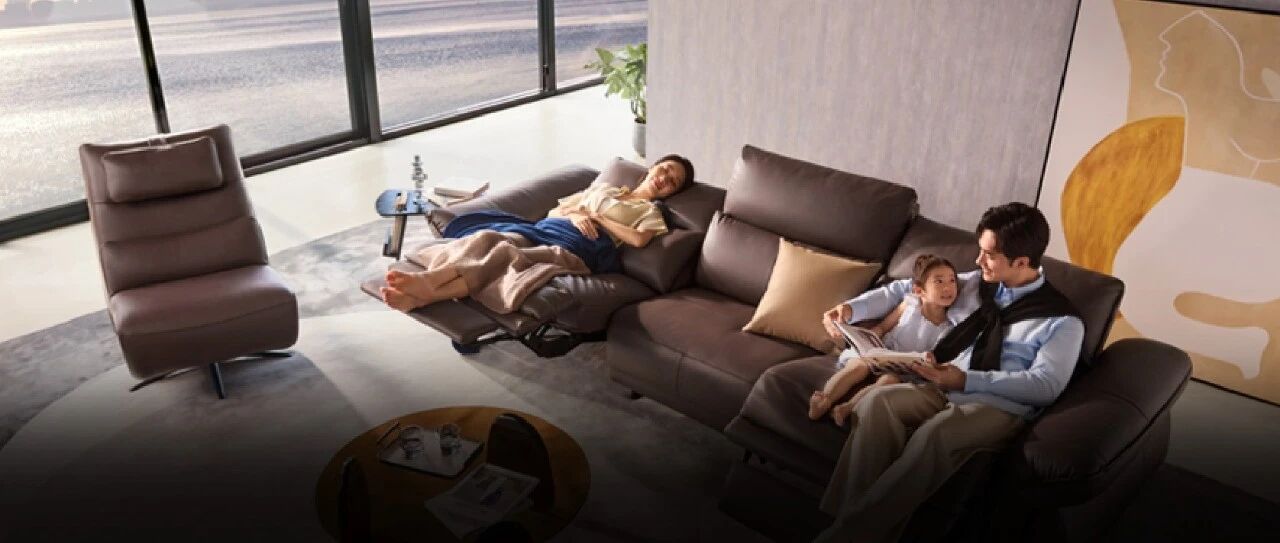
赫兹零重力Pro版

Search documents
从舒适到舒展,电动沙发的新解法
3 6 Ke· 2025-10-20 15:04
Core Insights - The most influential voice in the market is not the brand manufacturers, but the consumers [2] - The electric sofa industry is experiencing a competitive dilemma, with many brands entering the market but facing issues of low-quality, low-cost products [3][4] - Consumer demand is evolving, with users seeking enhanced comfort, design, and ease of maintenance in electric sofas [3][4] Company Developments - On October 15, Kuka Home held a flagship product launch for its new generation of electric smart sofas, focusing on user-centric design and innovative technology [4][6] - Kuka Home introduced three flagship products that define the "zero-gravity experience" with specific standards for comfort and support [4][6] - The K-TRON®Space Z functional frame was unveiled, addressing long-standing industry challenges and enhancing usability in various home environments [6][11] Market Context - The electric sofa market is heating up, with Kuka Home entering a previously niche segment in 2015, despite low market penetration at the time [18][20] - The company’s strategy is based on understanding consumer trends and the potential for electric sofas to be industrially produced and scaled [20] - Kuka Home's commitment to R&D and technology investment has positioned it to succeed in a competitive landscape, with significant growth projected [23][25] Consumer-Centric Approach - Kuka Home has shifted product development from brand-driven definitions to user-driven insights, engaging its large member base in the design process [7][20] - The new electric sofas aim to enhance user experience by focusing on comfort and ease of use, moving from a functional to an experiential focus [17][28] - The company’s design philosophy emphasizes understanding lifestyle needs and simplifying user interactions with technology [17][28] Industry Transformation - The electric sofa sector is undergoing a transformation, with Kuka Home redefining traditional home furniture values and addressing consumer pain points [28][29] - The company’s innovations reflect a broader trend of adapting products to meet local consumer needs, similar to developments in the automotive industry [29] - Kuka Home's approach demonstrates that understanding user demands and leveraging technology can create significant competitive advantages in traditional industries [29]


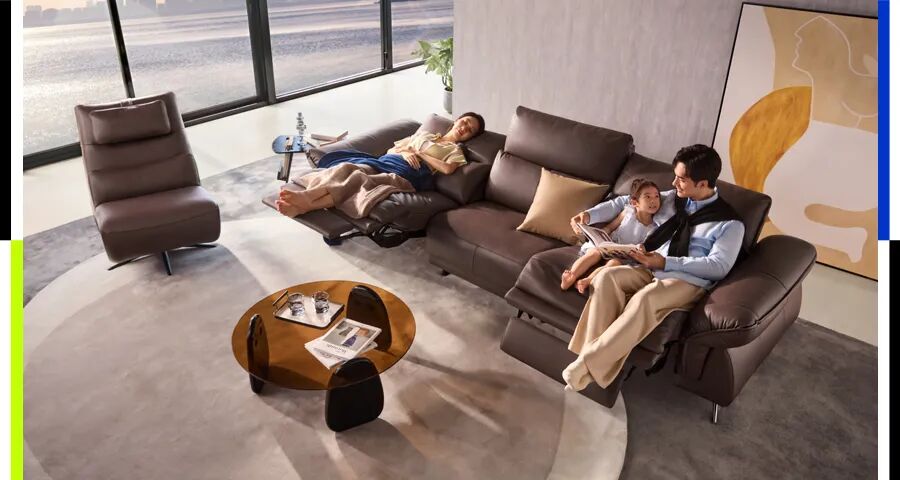
从舒适到舒展,电动沙发的新解法
36氪· 2025-10-20 13:35
Core Viewpoint - The electric sofa industry is undergoing a transformation driven by consumer demand for enhanced comfort and experience, moving away from traditional low-cost, low-quality products to innovative, user-centered designs [1][2][3]. Group 1: Industry Transformation - The automotive industry has seen a revival through technological advancements, and similarly, the electric sofa market is experiencing a shift as brands like Kuka Home innovate to meet evolving consumer expectations [1][4]. - The electric sofa market is currently facing challenges with low-quality products flooding the market, leading to a cycle of mediocrity among traditional brands [1][2]. - Consumer expectations have evolved, with a growing demand for features that enhance comfort, design, and ease of use, moving beyond basic functionalities [1][2]. Group 2: Kuka Home's Innovations - Kuka Home launched three flagship electric sofa models at a recent event, emphasizing user-centered design and innovative technology to enhance user experience [2][4]. - The new K-TRON® Space Z functionality addresses long-standing industry challenges by allowing for a zero-gravity experience without the need for wall space, thus improving usability and maintenance [4][18]. - The flagship product, the Yunshu electric sofa, elevates the user experience from mere comfort to a "floating" sensation, achieved through advanced ergonomic design [7][10]. Group 3: Consumer-Centric Approach - Kuka Home has shifted its product development focus from brand-driven definitions to consumer-driven insights, leveraging a large membership base to co-create products that meet real user needs [6][34]. - The company’s strategy emphasizes understanding consumer lifestyles and preferences, leading to a more intuitive and aesthetically pleasing product design [20][22]. - By prioritizing user experience over merely adding features, Kuka Home aims to redefine the value of electric sofas in the home [22][42]. Group 4: Market Positioning and Future Outlook - Kuka Home's entry into the electric sofa market was a strategic move to capitalize on emerging consumer trends, despite initial market skepticism and low penetration rates [26][28]. - The company has demonstrated resilience and foresight by investing in R&D and technology, positioning itself for growth even in a challenging market environment [32][37]. - The electric sofa market is expected to grow significantly, with Kuka Home projecting over 50% retail growth in the coming years, indicating strong consumer acceptance and market potential [34][38].