
超级杂交稻

Search documents
科普丨带你走进种子“诺亚方舟”
Nan Fang Nong Cun Bao· 2026-02-11 04:12
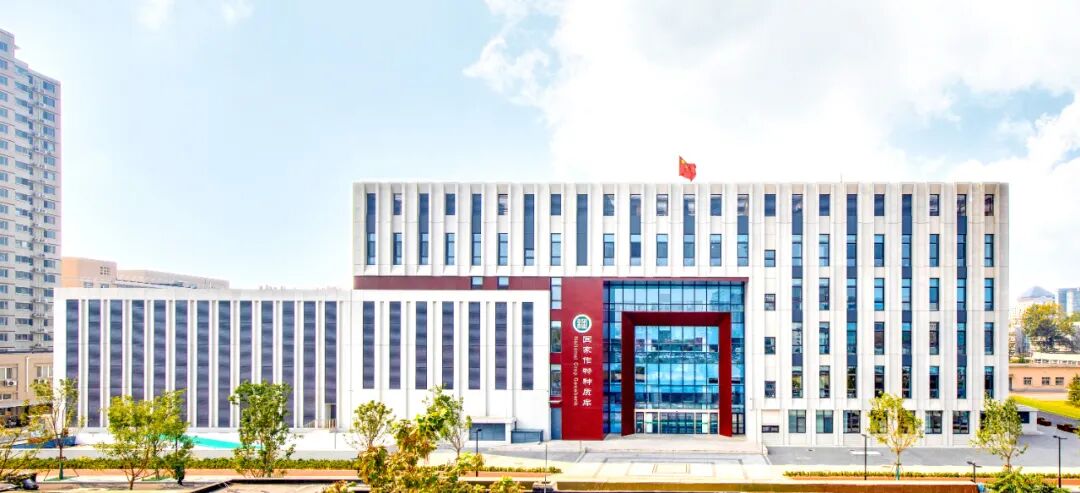
Core Viewpoint - The establishment of the National Crop Germplasm Resource Bank represents a significant advancement in the preservation of agricultural genetic resources, ensuring the protection and utilization of valuable genetic materials amid threats from climate change and human activities [3][15]. Group 1: Germplasm Resource Preservation - The National Crop Germplasm Resource Bank serves as a "Noah's Ark" for safeguarding crop genetic resources, which are crucial for future agricultural innovations [3][19]. - The new facility, completed in 2021, has a storage capacity of 1.5 million samples, significantly increasing from the previous capacity of 400,000 samples [6][15]. - The bank is actively collecting and preserving new genetic resources, including rare and unique varieties identified during the largest agricultural germplasm survey in China's history [7][19]. Group 2: Technological Advancements - The new facility employs modern technologies for seed quality assessment, including CT scanning and non-destructive testing methods, enhancing efficiency and reducing seed consumption during testing [11][12]. - The introduction of specialized storage solutions, such as ultra-low temperature and tissue culture facilities, allows for the preservation of plant materials that cannot withstand traditional seed storage conditions [12][14]. - Automation in the storage process has improved operational efficiency, reducing the need for manual labor and optimizing space utilization within the facility [13][14]. Group 3: National Strategy and Future Prospects - The establishment of the National Crop Germplasm Resource Bank is part of a broader national strategy to enhance the protection of agricultural genetic resources, including livestock and aquatic species [16][18]. - The current identification rates for genotypes and phenotypes exceed 60% and 30%, respectively, providing a substantial data foundation for future AI-driven breeding innovations [17]. - The upcoming launch of a national crop germplasm resource information platform will facilitate better sharing and exchange of genetic resources [17].

长沙荣膺双项国家级殊荣!优化营商环境推进高质量发展成效突出
Xin Lang Cai Jing· 2025-12-27 13:35
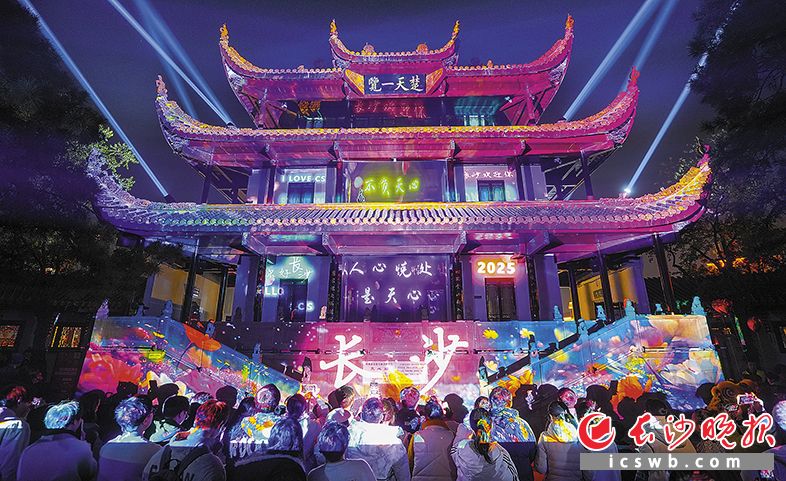
Group 1 - Changsha has been recognized as a model city for high-quality development in terms of business environment and digital empowerment at the 2025 High-Quality Development and International Cooperation Conference [1] - The city has established seven trillion-level industrial clusters and over 3,400 innovation platforms, achieving significant technological breakthroughs and ranking 23rd globally among research cities [1] - Digital transformation has enhanced urban development, with systems improving land allocation efficiency by over 30% and providing rapid responses for urban safety [1] Group 2 - Changsha leads the central region in the number of A-share listed companies and is the second city globally with more than five of the world's top 50 engineering machinery companies [2] - The city has over 2 million business entities, with the private economy accounting for 65%, and has been recognized for its favorable business environment for five consecutive years [2] - Changsha's ecological environment is well-preserved, with a high forest coverage rate, and it offers a favorable housing income ratio, supporting the living dreams of young people [2] Group 3 - Changsha County and Liuyang City have been selected as model counties for high-quality development in business environment, while Changsha Economic and Technological Development Zone has been recognized for its investment value [3] - The recognition highlights Changsha's efforts in optimizing the business environment and promoting high-quality development across the region [3]
长沙获评“2025活力之城案例”
Chang Sha Wan Bao· 2025-11-29 02:23
Core Insights - The "2025 Vital City IP Index Report" highlights Changsha as a leading example of urban vitality, marking its fifth consecutive year of recognition [1][2] - The report evaluates cities based on IP dissemination, consumer conversion, cultural depth, and innovation, providing insights for high-quality urban development in China [1] Group 1: Economic Development - Changsha's economic output is projected to exceed 1.5 trillion yuan in 2024, supported by seven major industrial clusters valued at over 100 billion yuan each [3] - The city hosts 21 industrial enterprises valued at over 10 billion yuan and has 1767 pilot enterprises in intelligent manufacturing [3] Group 2: Cultural Heritage - Changsha boasts a rich cultural heritage with historical sites like the Mawangdui Han Tomb and Yuelu Academy, contributing to its reputation as a "city without walls" [4] - The city is recognized for its vibrant cultural industries, including audio-visual media, animation, and digital publishing [5] Group 3: Innovation and Technology - Known as the "Capital of Engineering Machinery," Changsha has produced world-class research achievements, including super hybrid rice and the BeiDou satellite system [5] - The city ranks 23rd globally in research capacity, with 3823 various R&D institutions [5] Group 4: Youth and Population Growth - Over the past decade, Changsha has attracted a net inflow of 1 million people, with 80% being young individuals, making it one of the top cities for youth migration in China [5] - The city supports entrepreneurship among university students through various policies and has established 125 incubation bases with 4633 entities in development [5] Group 5: International Engagement - Changsha actively hosts international events, enhancing its global presence, with the Huanghua Airport's passenger throughput exceeding 30 million annually [5] - The city has seen a steady increase in inbound tourism, receiving 327,400 international visitors in the first three quarters of the year [5] Group 6: Urban Aesthetics and Quality of Life - Changsha is celebrated for its picturesque landscapes, including Yuelu Mountain and the Xiang River, and has been recognized as China's most livable city for 17 consecutive years [6] - The city combines a romantic atmosphere with a youthful vibrancy, contributing to its appeal as a "media arts capital" and "East Asian cultural capital" [6] Group 7: City IP Development - Changsha has made significant strides in developing its city IP, focusing on cultural, historical, and economic aspects to create a unique urban identity [7] - The city promotes deep integration of IP with new consumption, cultural tourism, and creative industries, catering to the needs of the youth [7]
守护农业“芯片”!走进种子“诺亚方舟”
Xin Hua She· 2025-07-09 15:27
Core Viewpoint - The article highlights the establishment and advancements of the National Crop Germplasm Resource Bank in China, emphasizing its role in preserving agricultural biodiversity and enhancing seed quality through modern technologies [2][5]. Group 1: Germplasm Resource Preservation - The National Crop Germplasm Resource Bank serves as a "Noah's Ark" for crop genetic resources, crucial for developing new crop varieties and combating extinction risks due to climate change and human activities [2][3]. - The new facility, built in 2021, has a storage capacity of 1.5 million samples, significantly increasing from the previous capacity of 400,000 samples [3][4]. - Recent efforts have led to the collection of unique germplasm, such as high-altitude barley from Tibet and rare corn varieties, which are essential for breeding programs [3][4]. Group 2: Technological Advancements - The new resource bank employs advanced technologies for seed quality assessment, including CT scanning and non-destructive testing methods, improving efficiency and reducing seed consumption during testing [4]. - The facility includes specialized storage options like tissue culture and ultra-low temperature storage, allowing for tailored preservation methods for different types of crops [4]. - Automation in the storage process has increased efficiency, with robotic systems handling seed storage and retrieval, thus optimizing space and reducing labor costs [4][5]. Group 3: National Strategy and Future Prospects - The establishment of the resource bank is part of a broader national strategy to enhance the protection and utilization of agricultural genetic resources, including crops, livestock, and aquatic species [5]. - The identification of genetic and phenotypic traits of preserved resources exceeds 60% and 30%, respectively, providing a foundation for future AI-driven breeding innovations [5]. - An information platform for crop germplasm resources is set to launch, facilitating better resource sharing and collaboration [5].