
越南房产

Search documents
越南楼市每年涨40%,中国出海人吃到意外红利|一线
吴晓波频道· 2026-01-09 00:30
Core Viewpoint - The article discusses the booming real estate market in Vietnam, particularly in Hanoi and Ho Chi Minh City, driven by both local and foreign investments, with significant price increases observed in recent years [4][19][40]. Group 1: Market Dynamics - In 2021, property prices in Hanoi surged, with an example of a 130 square meter apartment purchased for 1.6 million RMB now valued at 3.58 million RMB, reflecting over a 100% increase [2]. - The average primary sales price in Hanoi reached approximately 21,000 RMB per square meter in Q3 2024, a 33% increase compared to the same period in 2023 [4]. - The demand for housing has led to a buying frenzy, with reports of crowded sales events and significant competition among buyers [6][7]. Group 2: Buyer Profiles - The primary buyers in Vietnam's real estate market include business owners with operations in Vietnam, who seek properties for personal use or rental income [10]. - A notable trend is the influx of Chinese investors, with some purchasing multiple properties, driven by the potential for high returns compared to traditional banking options [12][18]. - The second and third categories of buyers are those looking for overseas asset diversification and pure investors attracted by lower entry prices compared to other markets [18]. Group 3: Economic Context - Vietnam's real estate sector attracted 5.72 billion USD in foreign investment as of November 2022, accounting for 20.7% of total foreign investment, with significant contributions from Singapore and China [19]. - The overall real estate prices in Vietnam have increased by 59% over the past five years, outpacing growth in other countries like the US and Australia [24]. - The ongoing shift of manufacturing from China to Vietnam, influenced by geopolitical factors, has further stimulated the real estate market [26][28]. Group 4: Supply and Demand - The supply of new housing units in Vietnam has been insufficient to meet the rising demand, with only about 30,000 units available annually, while over 200,000 people migrate to major cities each year [36]. - The local population's income levels have risen, contributing to increased purchasing power in the real estate market [33]. Group 5: Market Risks and Challenges - The Vietnamese real estate market is characterized by a limit on foreign ownership, with only 30% of units in a high-rise project available to foreign buyers, indicating that local demand remains the primary driver [29][30]. - There are concerns regarding the reliability of property developers and the potential for delays in project completion, which can pose risks for investors [47][49]. - The lack of property titles for many buyers creates legal uncertainties, as transactions often rely on contracts rather than formal ownership documents [49][50].

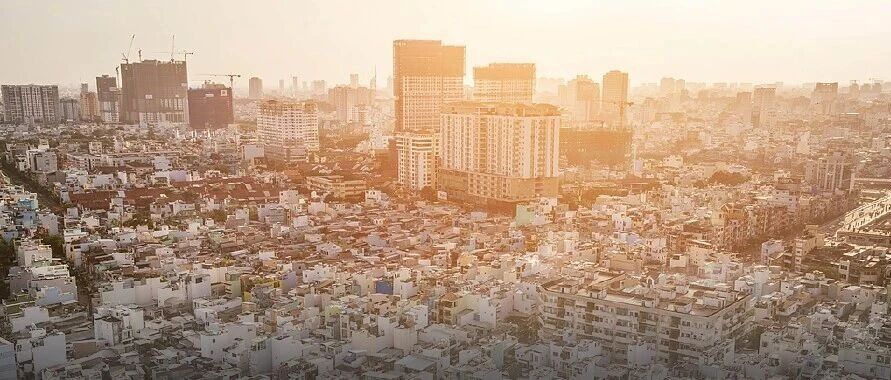
一天三套豪宅,中国炒房客“带飞”越南房价,一地鸡毛谁来买单?
3 6 Ke· 2025-12-15 06:45
Core Viewpoint - The Vietnamese real estate market is experiencing a rapid surge in prices, reminiscent of the Chinese property boom in 2015, driven by foreign investors, particularly from China, and a strong urbanization trend [1][4][11]. Group 1: Market Dynamics - Ho Chi Minh City has seen a staggering annual price increase of 33%, with average prices reaching 30,000 RMB per square meter, while local monthly incomes average only 3,600 RMB [4]. - The influx of capital into Vietnam is creating the highest property price growth globally, with a 59% increase in prices over the past five years, surpassing countries like the US, Australia, Japan, and Singapore [11][14]. - The Vietnamese government has revised housing laws to ease foreign ownership restrictions, facilitating international capital entry into the real estate market, particularly in high-end residential and industrial sectors [11]. Group 2: Investor Behavior - Chinese investors are replicating their strategies from the Chinese market, focusing on areas with planned infrastructure developments, such as metro lines, to capitalize on future demand [6][10]. - Investors are advised to be cautious of policy risks, as sudden regulatory changes could alter market dynamics significantly [8]. - Local real estate agents report that foreign investors, especially from China, are driving up prices in the high-end market, with some purchasing multiple luxury apartments in a single day [9][10]. Group 3: Economic Context - Vietnam's GDP growth in the first quarter of 2025 was the strongest since 2020, indicating a solid economic foundation for the real estate market [11]. - The rapid urbanization in Vietnam mirrors that of China a decade ago, with significant rural-to-urban migration and government control over land supply [13]. - However, there are emerging concerns about structural mismatches in supply and demand, with high-end developments outpacing affordable housing options for the average citizen [14]. Group 4: Social Implications - The real estate market is becoming increasingly divided, catering to foreign investors and the wealthy, while ordinary citizens face a severe shortage of affordable housing [14]. - The government is beginning to recognize the unsustainable nature of rising property prices outpacing wage growth and is considering measures to increase supply and curb speculation [14][15].