跨境电商零售出口服务

Search documents
【一周资讯】重磅利好!“无票免税”正式落地!
Sou Hu Cai Jing· 2026-02-06 09:27
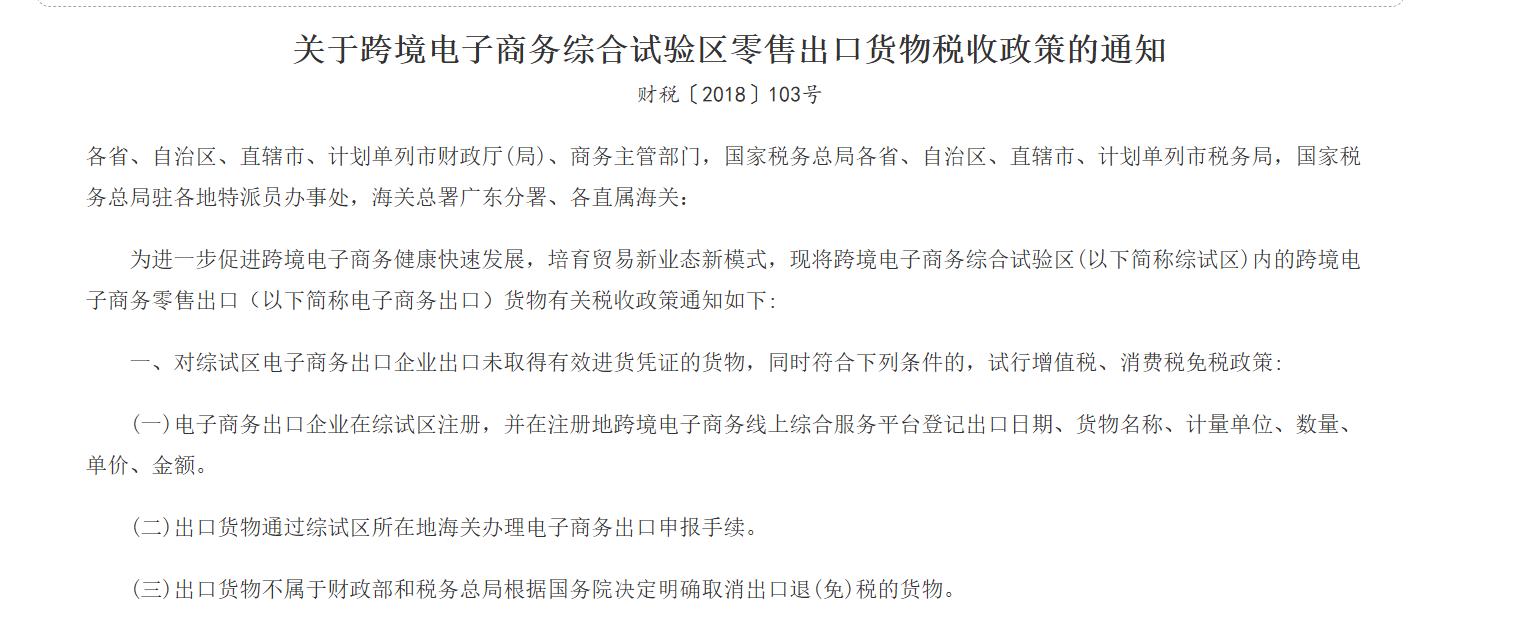
Group 1 - The "no-invoice tax exemption" policy has officially launched, allowing Shenzhen cross-border e-commerce companies to register for tax exemption through an online platform, emphasizing compliance and proper documentation [4] - The U.S. has reduced tariffs on Indian goods from 25% to 18% as part of a trade agreement, significantly lowering the tax burden on various export sectors, while India has agreed to halt Russian oil purchases [5] - The global air freight market is projected to grow steadily in 2025, with demand increasing by 3.4% and capacity by 3.7%, driven by e-commerce growth and shifting trade routes due to tariff uncertainties [6] Group 2 - The global container shipping market is facing downward pressure on freight rates due to geopolitical tensions in the Red Sea and seasonal demand declines, with the SCFI index dropping by 9.7% [7][9] - ONE has announced an upgrade to its FP2 shipping route, adding Haiphong, Vietnam, to enhance transport efficiency and strengthen its market position in Southeast Asia [8] - Recent operational changes at Guangzhou Port have led to strict booking policies, with freight forwarders halting new orders due to congestion and limited shipping windows ahead of the Lunar New Year [10]

深圳跨境电商卖家沸腾了!“无票免征”试点落地,合规之路终于通了
Sou Hu Cai Jing· 2025-11-27 08:08
Core Insights - The article discusses the implementation of the "no-invoice exemption" policy for cross-border e-commerce exports in Shenzhen, which aims to alleviate tax compliance issues faced by sellers [1][2]. Group 1: Policy Overview - The "no-invoice exemption" policy allows cross-border e-commerce companies to enjoy VAT and consumption tax exemptions even without obtaining purchase invoices, provided they meet certain conditions [1][2]. - This policy is a practical breakthrough based on the national framework established by the Ministry of Finance and other authorities, specifically aimed at enhancing compliance for cross-border e-commerce [2]. Group 2: Benefits of the Policy - The policy helps sellers avoid tax risks by clarifying compliance pathways, allowing them to operate within a defined "safe zone" as long as they follow the established procedures [4]. - It addresses the issue of corporate income tax compliance by linking the "no-invoice exemption" to corporate income tax regulations, thus facilitating a comprehensive compliance framework for businesses [5]. - The successful implementation of the policy for the 9610 trade model opens the door for potential future applications to the 9810 model (B2B cross-border e-commerce), which could benefit a wider range of sellers [6]. Group 3: Implementation Steps - To benefit from the "no-invoice exemption," companies must complete four key steps: register with the tax authority, submit export declarations through the designated platform, accurately record export details, and ensure that the exported goods are not from restricted categories [8].