
车载AI巡逻车

Search documents
一字观年景·精丨精细“绣花”
Guang Xi Ri Bao· 2026-02-09 03:27
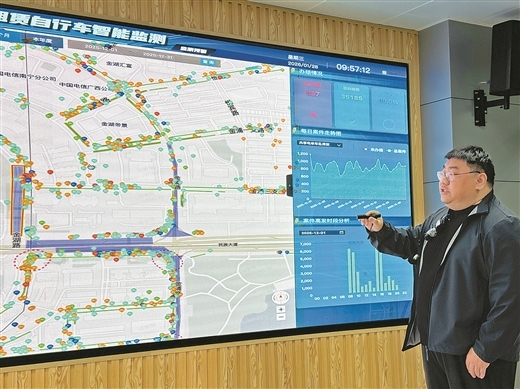
Core Viewpoint - The implementation of the "City Management into Communities" model in Nanning is enhancing grassroots governance, improving management efficiency, and creating a better living environment for residents [2]. Group 1: Urban Management Innovations - Nanning has pioneered the "City Management into Communities" model, deploying urban management personnel to 262 communities, achieving full coverage in the region [2]. - The introduction of the "Three Responsibility Lists" addresses the ambiguity in responsibilities, clarifying what needs to be done and how, thus providing a framework for community management [3]. - The use of AI technology, such as AI patrol vehicles, has significantly increased the efficiency of identifying urban issues, with a reported 10-fold improvement in event detection compared to traditional methods [6]. Group 2: Community Engagement and Response - The establishment of a rapid response mechanism allows for effective resolution of community issues, with a focus on proactive service rather than reactive enforcement [5]. - The integration of community feedback into management practices has led to improved efficiency in addressing resident complaints, thereby enhancing overall satisfaction [5]. - The deployment of smart monitoring systems for shared bicycles and other urban elements has facilitated real-time management and improved urban order [6]. Group 3: Future Developments - Nanning is accelerating the construction of an intelligent urban management hub, utilizing data and AI to optimize processes and enhance citizen participation in governance [7]. - The city aims to transform into a modern, livable urban environment, with ongoing efforts to make governance more efficient and responsive to the needs of its residents [7].

城管服务进社区 精细治理暖民心
Xin Lang Cai Jing· 2026-01-20 21:55
Core Insights - The article discusses the transformation of urban management in Nanning through the "City Management into Communities" initiative, which enhances community governance and improves residents' quality of life [1][2]. Group 1: Urban Management Innovations - Nanning's urban management has adopted proactive governance by addressing minor issues such as illegal waste dumping and street obstructions, significantly improving community order and residents' peace of mind [1][2]. - The use of AI video analysis systems has increased the efficiency of identifying 23 types of urban issues by tenfold compared to traditional methods, showcasing a shift towards technology-driven solutions in urban management [3]. Group 2: Community Engagement - The initiative has transformed city management personnel into "community managers," providing services such as legal education, complaint handling, and emergency assistance, thus shifting from reactive to proactive community engagement [2]. - The presence of city management staff in communities has led to the resolution of various local issues, earning widespread approval from residents [2]. Group 3: Smart Technology Integration - The implementation of AI patrol vehicles has enabled rapid response to urban issues, with incidents being addressed in under five minutes, thereby enhancing service efficiency and aligning with the "City Heart for the People" service philosophy [3]. - By 2025, AI systems in patrol vehicles are expected to accurately collect data on 20,331 urban management incidents, further establishing a smart governance framework [3]. Group 4: Service Enhancement and Brand Development - The "City Management into Communities" model, promoted by the Ministry of Housing and Urban-Rural Development, is crucial for strengthening grassroots governance and improving living environments [4]. - Since 2021, Nanning has achieved full coverage of community management by deploying personnel to 262 communities, with a focus on enhancing service quality and expanding management areas [4]. - The introduction of three key lists (management tasks, resident needs, and enforcement personnel) has clarified responsibilities and improved operational efficiency, leading to national recognition of Nanning's practices [4]. Group 5: Future Directions - The city management team aims to further streamline urban governance resources to directly benefit residents, transitioning from a reactive "respond to complaints" model to a proactive "address issues before complaints arise" approach [5].