轨道转移飞行器

Search documents
民营太空飞船,新突破
Shang Hai Zheng Quan Bao· 2025-12-13 05:35
Core Insights - The successful launch of the Di'er No. 5 - China Science and Technology City spacecraft marks a new phase in China's private spaceflight industry, enabling broader space scientific research and technology validation [1][2] - The spacecraft is designed for a year-long mission to conduct various scientific studies in microgravity, life sciences, materials science, and aerospace medicine, carrying 34 experimental payloads from various clients [1][2] Company Overview - Ziwei Technology, established in 2019, focuses on spacecraft and space tourism, including the design, manufacturing, and operation of spacecraft [2] - The company is developing multiple spacecraft models, including A10 (10 kg capacity), B300 (300 kg capacity), and C2000 (2000 kg capacity), as well as suborbital and orbital crewed spacecraft [2] Recent Developments - Ziwei Technology has successfully completed a Series B financing round, led by Sichuan Science and Technology Investment Group, with funds aimed at the development and manufacturing of the C2000 medium cargo spacecraft [2] - A project investment cooperation agreement was signed with Chengdu Economic and Technological Development Zone to establish a research and manufacturing base for space transport vehicles, focusing on the C2000 and an orbital transfer vehicle [3] Technical Capabilities - The C2000 medium cargo spacecraft is designed for long-term orbital operations and can support the construction of commercial space stations, integrating ground experiments with space applications [3] - The recent launch validated key technologies for rapid payload integration and reliable long-term operation, which will support the development of the C2000 spacecraft [3]
SpaceX总部竟在洛杉矶!深扒背后百年航天基因链
创业邦· 2025-03-06 03:23
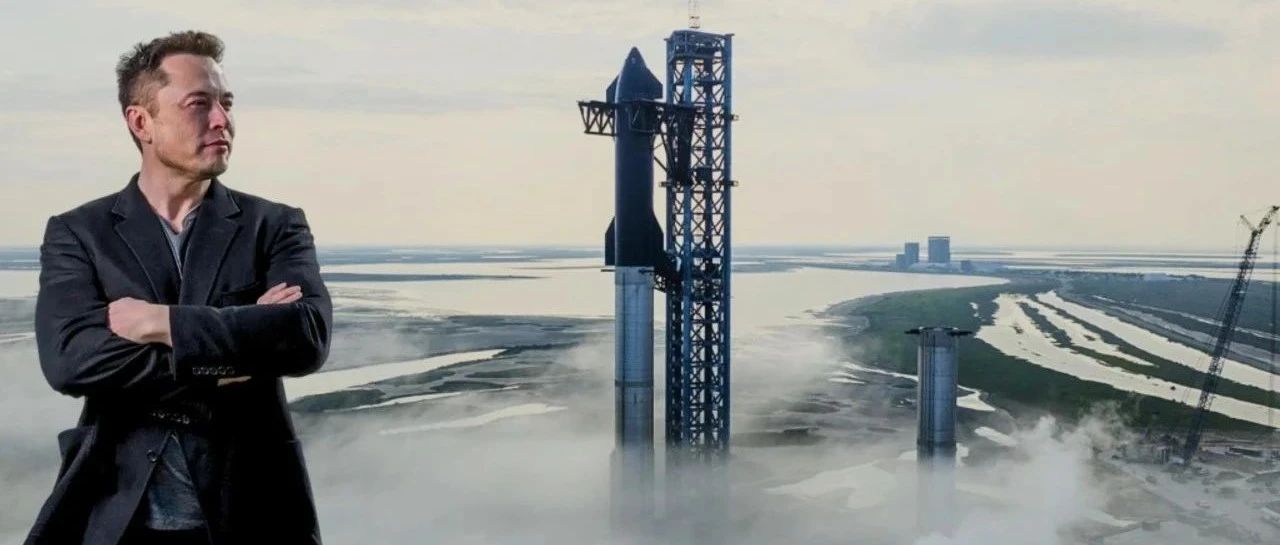
Core Viewpoint - The article discusses the transformation of Los Angeles into a hub for commercial space exploration, driven by the legacy of Cold War aerospace investments and the emergence of companies like SpaceX, which have reshaped the industry landscape. Group 1: Historical Context - During the Cold War, significant investments were made in military aerospace projects, with many aircraft and missile systems manufactured in and around Los Angeles, establishing it as a key player in the U.S. military-industrial complex [3][4]. - The end of the Cold War led to a reduction in defense spending, resulting in layoffs and factory closures in the aerospace sector, with many companies struggling to adapt to the changing market [4][5]. Group 2: SpaceX's Impact - SpaceX, founded by Elon Musk in 2002, chose Los Angeles for its strategic advantages, including a dense talent pool of over 250,000 aerospace professionals and a complete aerospace manufacturing supply chain [7][9]. - The arrival of SpaceX has triggered a chain reaction, attracting talent from traditional aerospace companies and transforming the workforce structure to include more software engineers and innovative manufacturing practices [10]. Group 3: Emergence of New Companies - The commercial space sector in Los Angeles has seen a surge in new companies, with Rocket Lab achieving significant milestones, including 47 successful launches and a record quarterly revenue of $132.4 million, marking a 78% year-over-year increase [14][15]. - Relativity Space, founded in 2015, aims to revolutionize rocket manufacturing through 3D printing, raising $650 million in funding and achieving a valuation of $4.2 billion [16]. - ABL Space Systems and Impulse Space are examples of startups focusing on redefining launch efficiency and space transportation, with plans for future missions and collaborations [17][18]. Group 4: Economic Significance - The aerospace industry in Los Angeles is now valued at nearly $30 billion annually, showcasing the city's evolution from a traditional aerospace hub to a vibrant center for commercial space innovation [20].