轩逸·经典

Search documents
新飞度遭“疯抢”背后:1月车市燃油车销量回暖
Mei Ri Jing Ji Xin Wen· 2026-02-11 14:01
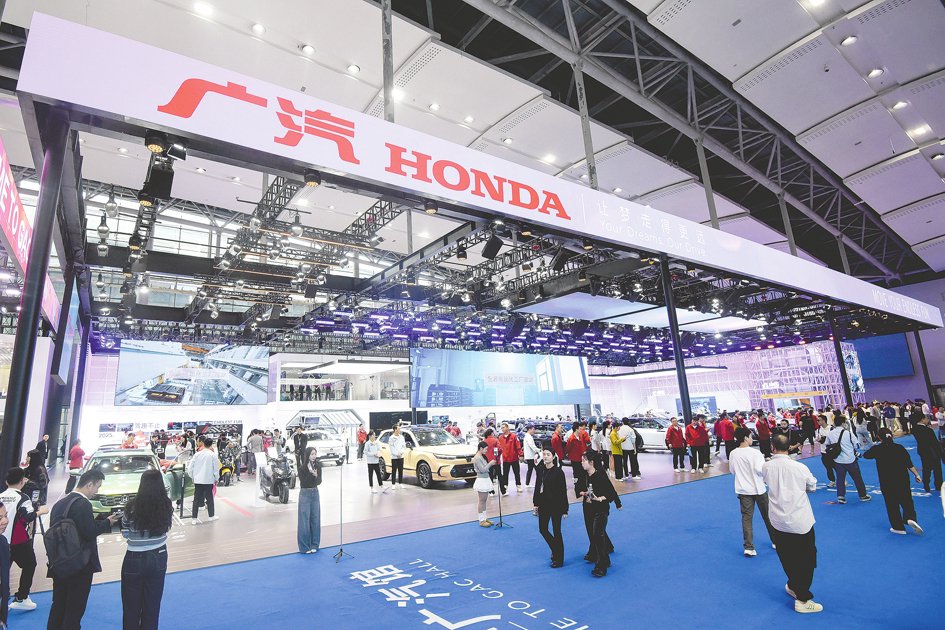
Core Viewpoint - The domestic automotive market is witnessing a shift as fuel vehicles are increasingly adopting intelligent features to compete with electric vehicles, driven by consumer demand for smart driving capabilities and the rising market share of electric vehicles [1][10]. Group 1: Market Trends - Consumers are showing a preference for fuel vehicles equipped with advanced intelligent configurations, leading to a notable change in purchasing behavior [1]. - Sales personnel from a dealership reported a shift in customer interest, with fewer customers exclusively seeking electric models [3]. - The new Honda Fit, priced at 66,800 yuan, sold out its initial 3,000 units within 20 days, indicating strong demand for competitively priced fuel vehicles [4][5]. Group 2: Pricing Strategies - The resurgence of fuel vehicles is significantly driven by aggressive pricing strategies, with many models seeing price reductions of around 30% to 40% [7][9]. - The average discount for fuel vehicles in January reached 23.7%, a year-on-year increase of 1.8 percentage points, with 10 models experiencing price cuts [9]. Group 3: Intelligent Features - Fuel vehicles are increasingly incorporating advanced technologies such as driver assistance systems and smart cockpit features, aiming to shed the perception of being less intelligent than electric vehicles [10][11]. - Major automakers, including Volkswagen and Geely, are implementing the "oil-electric intelligence" strategy, showcasing that fuel vehicles can also be equipped with smart features [10]. Group 4: Sales Performance - In January 2026, fuel vehicle sales showed a significant increase, with SAIC Group selling 242,000 units, a year-on-year growth of 19.19% [12]. - Geely's fuel vehicle sales reached 134,400 units, with the "China Star" series contributing over 100,000 units to this figure [12]. - The market share of the top five fuel vehicle brands increased from 29% in 2020 to 37% in 2025, indicating a strengthening position for leading brands in the fuel vehicle segment [13].