油电同智

Search documents
默茨来华,“敲打”得醒大众奔驰宝马吗?
虎嗅APP· 2026-03-01 02:46
Core Viewpoint - German automotive companies are facing significant challenges in the Chinese market due to strategic missteps, particularly in the areas of electrification and hybrid technology, which have led to declining sales and market share [5][8]. Group 1: Strategic Missteps - German Chancellor Merz criticized German automakers for their poor sales in China, attributing it to strategic errors, including a focus on low-cost fuel vehicles that missed the electrification opportunity [5]. - The share of German companies in joint ventures in China is substantial, with BMW and Volkswagen both having a 75% stake in their respective partnerships, yet they still struggle with sales [5]. - Merz emphasized the need for German automakers to learn from Chinese companies and respect local market demands to secure their future [5]. Group 2: Local Adaptation and Investment - BMW has invested over 120 billion yuan in its Shenyang production base and is establishing four R&D innovation centers and three software companies in China to enhance local development [8]. - The first domestically produced new-generation BMW iX3 is set to debut at the Beijing Auto Show in April 2026, showcasing a commitment to localize production and development [8]. - Mercedes-Benz is also focusing on local partnerships, having announced collaborations with Chinese tech firms to enhance its offerings in the smart driving sector [8][16]. Group 3: Market Performance and Challenges - BMW's market share in China has dropped to levels seen a decade ago, with a year-on-year decline of 11.2% in the first three quarters of 2025 [8]. - Mercedes-Benz's sales in China fell by 19% in 2025, marking the second consecutive year of over 10% decline, indicating a need for a shift towards technology-driven luxury [16]. - Volkswagen's sales in China have also decreased by 8%, with the company facing challenges in transitioning to electric and hybrid vehicles while maintaining its fuel vehicle market [18]. Group 4: Technological Transition - The concept of "oil-electric intelligence" is being pursued by both Mercedes-Benz and Volkswagen, aiming to integrate smart driving features into traditional fuel vehicles [18][26]. - However, there are significant challenges in implementing smart driving technologies in fuel vehicles due to their existing electrical architecture and consumer perceptions [24][26]. - The reluctance of traditional automakers to fully embrace a shift in their business models and supply chains is hindering progress in smart driving technology [26]. Group 5: Future Outlook - The collaboration between German and Chinese automotive companies is seen as essential for navigating the transition to electric and hybrid vehicles while maintaining competitiveness in the global market [29]. - The recent EU decision to exempt certain Chinese-produced vehicles from tariffs signals a potential easing of trade tensions and highlights the importance of cooperation in the automotive sector [29]. - The challenge remains for German automakers to effectively engage the large base of fuel vehicle owners in China and transition them to smart, electrified options [30].

传统燃油车的挣扎还是回春?
3 6 Ke· 2026-02-27 03:13
Core Viewpoint - The relationship between fuel vehicles and electric vehicles is shifting from a competitive replacement to a parallel coexistence, with fuel vehicles finding a new positioning in the market [1][9]. Group 1: Industry Trends - Stellantis Group has written down €22.2 billion in assets due to overestimating the speed of electrification, leading to an expected operating loss of over €20 billion in the second half of the year [1]. - Ford has acknowledged a $19.5 billion accounting loss from terminating multiple electric vehicle projects, while General Motors has withdrawn some electrification investments and recorded a $6 billion charge [1]. - The combined asset impairment of approximately $55 billion from these three major automakers, along with slowing electric vehicle demand in the U.S., subsidy reductions in Europe, and price wars in China, has made the calibration of electrification a core industry topic [1]. Group 2: Market Dynamics - In the U.S. market, demand for fuel and hybrid vehicles is returning due to a significant drop in demand following a surge before the expiration of a $7,500 tax credit in 2025, compounded by high-interest rates and tightened credit [3]. - In Europe, the slow construction of charging infrastructure and fluctuating electricity prices have hindered consumer acceptance of electric vehicles, leading to a resurgence in demand for plug-in hybrids and hybrid models [3]. - In China, while the penetration rate of new energy vehicles approaches 50%, many brands are struggling with profitability, indicating a complex market landscape [3]. Group 3: Technological Developments - Major automakers are investing in upgrading fuel vehicle technology to bridge the gap with electric vehicles, addressing previous issues such as power supply, heat dissipation, and response delays [2]. - Companies like Mercedes-Benz and Volkswagen are reallocating investment budgets to enhance fuel vehicle platforms rather than focusing solely on electric platforms, recognizing the ongoing demand for fuel vehicles [4]. - The transition to intelligent fuel vehicles is being facilitated by advancements in technology, with companies like Bosch and Geely implementing smart driving systems in their fuel models [7][8]. Group 4: Policy Environment - The EU's new carbon emission regulations for new vehicles from 2025 to 2027 provide a transitional mechanism for automakers, allowing them to adjust their strategies [5]. - In China, the focus has shifted from accelerating electrification to stabilizing fuel vehicle consumption, reflecting a recognition of the complexity of the automotive industry [6].


燃油车市场会局部“回春”吗?
Jing Ji Guan Cha Bao· 2026-02-25 09:16
Group 1 - Stellantis Group, the world's fourth-largest automotive group, has recognized an overestimation of the speed of electrification, leading to a one-time asset impairment of €22.2 billion, resulting in an expected operating loss of over €20 billion for the second half of the year [2] - Ford has acknowledged a book loss of $19.5 billion due to the termination of multiple electric vehicle projects, while General Motors has withdrawn some electrification investments and recorded a $6 billion charge [2] - The combined impairment impact of approximately $55 billion from these three multinational automotive giants, alongside a slowdown in electric vehicle demand in the U.S., a reduction in European subsidies, and a price war in the Chinese market, has shifted the discussion on the pace of electrification to a core industry topic [2] Group 2 - The global fuel vehicle market is showing signs of potential recovery, with many automakers upgrading fuel vehicles to bridge the intelligence gap with electric vehicles [3] - Major multinational automakers had previously set timelines for phasing out fuel vehicles and focused on electric platforms, but recent changes in the market environment have led to a reassessment of this strategy [4] - In the U.S. market, demand for fuel and hybrid vehicles is returning due to a significant drop in demand following a tax credit expiration, while in Europe, the slow construction of charging infrastructure and fluctuating electricity prices have hindered the acceptance of pure electric vehicles [4] Group 3 - Starting in 2024, several multinational automakers have resumed substantial investments in fuel vehicle technology, with Mercedes-Benz postponing its target for electric vehicle sales to 50% by 2025 by five years and allocating 50% of its investment budget to upgrading fuel vehicle platforms [5][6] - This renewed investment in fuel vehicle technology reflects a recognition of the diverse demand in the market, acknowledging that the global fleet of over 1 billion fuel vehicles cannot be replaced within a decade [6] - The policy environment is also changing, with the EU's new car emissions regulations providing a transitional mechanism for automakers, allowing them to adjust their strategies [6] Group 4 - By the end of 2025, China's fuel vehicle ownership is expected to exceed 320 million, accounting for 88% of total vehicle ownership, which is crucial for employment and market value in the automotive parts sector [7] - The shift in policy language from "accelerating electrification" to "stabilizing fuel vehicle consumption" indicates a recognition of the complexity of the industry rather than a reversal of direction [7] Group 5 - The concept of "oil-electric intelligence" addresses the technological capabilities of fuel vehicles, overcoming previous challenges related to electronic architecture and power supply systems [8] - With advancements in technology, fuel vehicles are now capable of integrating intelligent features that were once exclusive to electric vehicles, indicating a shift in the competitive landscape [9] - Bosch predicts that by 2026, the market share of pure electric, hybrid, and fuel vehicles will stabilize at a ratio of 4:4:2, suggesting that fuel vehicles will not disappear but will be concentrated in specific scenarios and replacement needs [9][10]

汽车行业政策落地与新品周期成热点,板块表现分化
Jing Ji Guan Cha Wang· 2026-02-16 21:35
Core Viewpoint - The automotive industry is currently focused on policy implementation and new product cycles, with significant developments expected in 2026, including the listing of Lantu Automotive and the introduction of new models [1] Group 1: Policy Developments - The 2026 vehicle trade-in subsidy details have been released, with an average subsidy reduction of 30% compared to 2025, but the policy rollout is earlier than in previous years [1] - Cities like Shanghai and Jiangxi are offering up to 20,000 yuan in subsidies for individual consumers to stimulate consumption during the Spring Festival [1] Group 2: New Product Launches - Lantu Automotive plans to launch four new models within the year, including the L3-level SUV Lantu Taishan Ultra [1] - New models from AITO and Li Auto are being prepped for the mid-to-high-end market, while BYD's new sub-brand "Linghui" focuses on B-end mobility solutions [1] Group 3: Market Performance - The automotive sector index reported a decline of 0.48% on February 13, with a 5-day cumulative increase of 1.56% [2] - The main funds in the automotive sector saw a net inflow of 181 million yuan on February 11, although individual stock performances varied significantly [2] Group 4: Institutional Insights - Analysts suggest that the automotive industry's driving force is shifting towards product innovation, with expectations of a rapid sales rebound post-Spring Festival [3] - The focus on smart technology and globalization presents structural opportunities, particularly for leading manufacturers benefiting from premium pricing [3] Group 5: Financial Analysis - January production and sales data reveal a significant decline of 25.7% and 28.3% month-on-month, with domestic sales of new energy passenger vehicles down 22.9% year-on-year, while exports increased by 100% [4] - Mercedes-Benz reported a revenue forecast of 132.2 billion euros for 2025, indicating resilience in the high-end market [4]

如何穿越市场寒潮?上汽大众:稳扎稳打、价值破局
Zhong Guo Jing Ji Wang· 2026-02-12 03:24
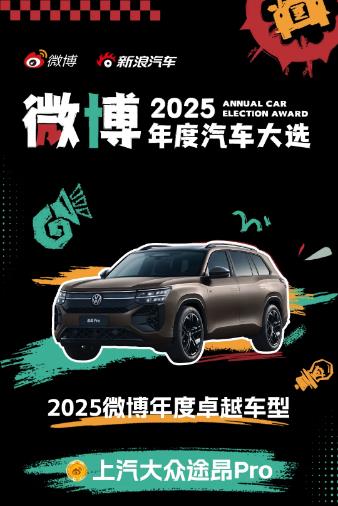
Core Insights - SAIC Volkswagen is responding to a cooling market and price competition by focusing on "steady progress and value breakthrough" [1] - The company achieved a terminal sales figure of 89,600 units in January, supported by strong performances from multiple models [2][4] - SAIC Volkswagen plans to launch seven new energy models by 2026, aiming to capture over 50% of the new energy market share [1][5] Sales Performance - In January, SAIC Volkswagen's sales included over 23,000 units from the Lavida family, nearly 21,000 from the Passat family, and over 21,000 from the Tiguan family [2] - The Audi brand under SAIC Volkswagen also saw a significant increase, with sales of 3,800 units in January, marking a 35.7% year-on-year growth [4] Product Strategy - The company is committed to a dual strategy of "oil and electricity advancing together," focusing on both traditional fuel vehicles and new energy vehicles [5][8] - The ID. ERA 9X, the first model in the new ID. ERA series, has garnered significant market attention and is undergoing rigorous performance testing [7] Market Positioning - SAIC Volkswagen aims to differentiate itself through value rather than price competition, emphasizing long-term value creation around users, technology, and brand [9][11] - The company has reached a milestone of 26 million cumulative sales, becoming the first single brand in the domestic market to achieve this figure [4] Future Outlook - The company anticipates a strong push in 2026, focusing on high-quality products and a marketing strategy that avoids price wars, such as the "one price" model [11] - With the new subsidy policy linked to vehicle prices, there is a favorable outlook for mid-to-high-end models, supporting SAIC Volkswagen's strategy for quality products [11]
1月车市燃油车销量“抬头”多款车型价格降幅高于30%
Mei Ri Jing Ji Xin Wen· 2026-02-12 02:35
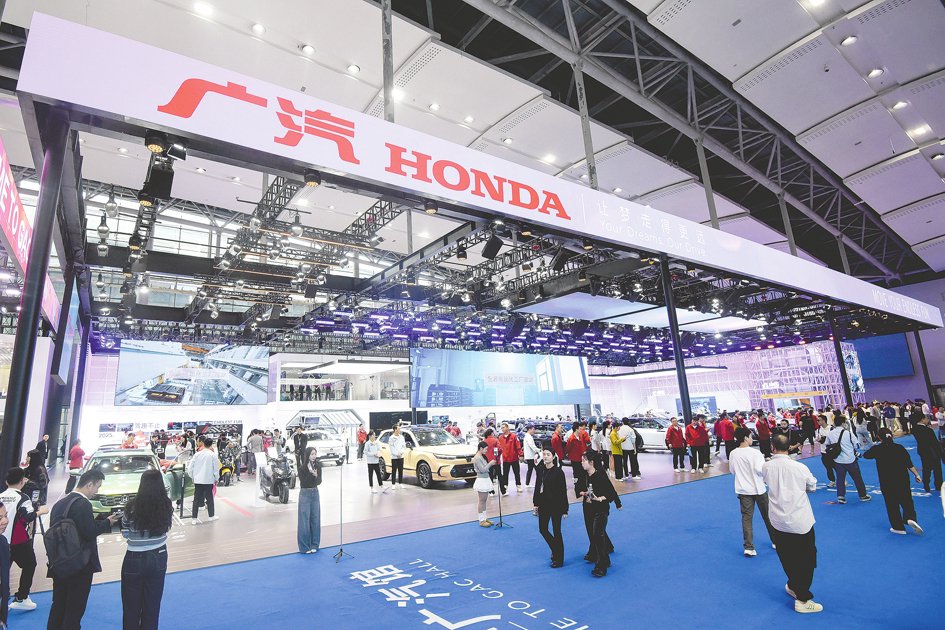
Core Viewpoint - The domestic automotive market is witnessing a shift as fuel vehicles are increasingly adopting intelligent features to compete with electric vehicles, driven by consumer demand for smart driving capabilities and the rising market share of electric vehicles [1][5]. Group 1: Market Trends - Consumers are showing a preference for fuel vehicles equipped with advanced intelligent configurations, leading to a notable change in purchasing behavior [1]. - The new Honda Fit, dubbed the "people's supercar," sold out its initial 3,000 units within 20 days, indicating a strong demand for competitively priced fuel vehicles [2]. - Many fuel vehicle models have seen price reductions of 30% to 40%, with some luxury models experiencing even greater discounts [2][3]. Group 2: Sales Performance - In January, fuel vehicle sales showed significant growth, with SAIC Group selling 242,000 units, a year-on-year increase of 19.19% [6]. - Geely's fuel vehicle sales reached 134,400 units in January, with over 100,000 units coming from the "Chinese Star" series [6]. - GAC Toyota also reported positive sales growth in January, with the Camry model achieving a 17% year-on-year increase [6]. Group 3: Strategic Initiatives - The "Oil-Electricity Co-Intelligence" strategy has been adopted by major automakers, aiming to enhance the competitiveness of fuel vehicles by integrating smart technologies [5][6]. - Companies like FAW-Volkswagen plan to launch multiple new models equipped with intelligent cockpit and driving assistance systems by 2026, showcasing the potential for fuel vehicles to be equally intelligent [6][7]. - The top five brands in the fuel vehicle market have increased their market share from 29% in 2020 to 37% in 2025, indicating a strengthening of leading brands in the sector [7].


新飞度遭“疯抢”背后:1月车市燃油车销量回暖
Mei Ri Jing Ji Xin Wen· 2026-02-11 14:01
Core Viewpoint - The domestic automotive market is witnessing a shift as fuel vehicles are increasingly adopting intelligent features to compete with electric vehicles, driven by consumer demand for smart driving capabilities and the rising market share of electric vehicles [1][10]. Group 1: Market Trends - Consumers are showing a preference for fuel vehicles equipped with advanced intelligent configurations, leading to a notable change in purchasing behavior [1]. - Sales personnel from a dealership reported a shift in customer interest, with fewer customers exclusively seeking electric models [3]. - The new Honda Fit, priced at 66,800 yuan, sold out its initial 3,000 units within 20 days, indicating strong demand for competitively priced fuel vehicles [4][5]. Group 2: Pricing Strategies - The resurgence of fuel vehicles is significantly driven by aggressive pricing strategies, with many models seeing price reductions of around 30% to 40% [7][9]. - The average discount for fuel vehicles in January reached 23.7%, a year-on-year increase of 1.8 percentage points, with 10 models experiencing price cuts [9]. Group 3: Intelligent Features - Fuel vehicles are increasingly incorporating advanced technologies such as driver assistance systems and smart cockpit features, aiming to shed the perception of being less intelligent than electric vehicles [10][11]. - Major automakers, including Volkswagen and Geely, are implementing the "oil-electric intelligence" strategy, showcasing that fuel vehicles can also be equipped with smart features [10]. Group 4: Sales Performance - In January 2026, fuel vehicle sales showed a significant increase, with SAIC Group selling 242,000 units, a year-on-year growth of 19.19% [12]. - Geely's fuel vehicle sales reached 134,400 units, with the "China Star" series contributing over 100,000 units to this figure [12]. - The market share of the top five fuel vehicle brands increased from 29% in 2020 to 37% in 2025, indicating a strengthening position for leading brands in the fuel vehicle segment [13].
AI助力,新产品密集投放,2026年“油电同智”驶入快车道
Zhong Guo Qi Che Bao Wang· 2026-02-11 02:45
Core Viewpoint - The "Oil-Electric Intelligence" strategy is gaining momentum among Chinese automotive brands, with significant advancements expected in 2026 following successful implementations in 2025 [1][4][5]. Group 1: Industry Trends - The "Oil-Electric Intelligence" strategy is seen as a key approach for traditional fuel vehicle manufacturers to enhance their market competitiveness and meet consumer demands for intelligent features [10][11]. - Major automotive brands, including Audi, Volkswagen, and Mercedes-Benz, are accelerating the rollout of models that incorporate this strategy, indicating a shift towards intelligent fuel vehicles [4][6][9]. - The integration of AI technology is crucial for bridging the intelligence gap between fuel and electric vehicles, allowing fuel vehicles to offer advanced features previously exclusive to electric models [7][9]. Group 2: Company Strategies - Audi's launch of the new Q5L model, equipped with Huawei's advanced driving assistance system, marks a significant step in implementing the "Oil-Electric Intelligence" strategy [4]. - Volkswagen's "Oil-Electric Progress" strategy has led to a recovery in sales, with plans for a diverse range of new models in 2026 to cater to various consumer needs [5]. - Mercedes-Benz is committed to providing multiple OTA upgrades for its vehicles equipped with the MB.OS system, enhancing the user experience and driving assistance features [6]. Group 3: Market Insights - A significant percentage of consumers prioritize intelligent cockpit features and interactive experiences when purchasing vehicles, highlighting the importance of the "Oil-Electric Intelligence" strategy [10]. - The market is witnessing a trend where intelligent features are becoming standard in fuel vehicles, thus leveling the playing field with electric vehicles [11]. - The anticipated slowdown in the growth rate of new energy vehicles suggests that fuel vehicles will continue to hold competitive advantages, prompting traditional manufacturers to deepen their focus on intelligent fuel vehicle strategies [11].
千万之上,智启新章:一汽奥迪逆势领跑秀出“定力”与“锐力”
Zhong Guo Qing Nian Bao· 2026-02-03 07:16
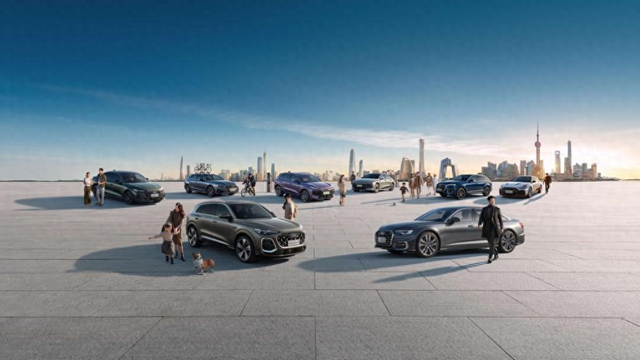
Core Insights - The luxury car market in China is evolving beyond mere sales competition to a comprehensive contest of strategic layout, technological innovation, and systemic capabilities [2][21] - FAW Audi has achieved significant milestones, including becoming the first joint venture luxury car brand in China to reach 10 million users, with a retail sales target of 570,088 vehicles in 2025, contributing over 93% to the Audi brand's total sales in China [2][21] Sales Performance - FAW Audi's market share for fuel vehicles (including imports) has risen to 26.8%, reclaiming the top position in the luxury fuel vehicle sales ranking after six years [4] - The domestic fuel vehicle segment continues to lead with a 25.2% market share, with key models like A6L and Q5L maintaining their leadership in niche markets [4] Strategic Approach - FAW Audi's success is attributed to its user-centric development philosophy, summarized by three "new" strategies: new products, new transformations, and new marketing [7] - The company has adopted a dual-platform strategy with the PPC luxury fuel intelligent platform and the PPE luxury pure electric platform, allowing it to cater to diverse user preferences while maintaining high-end intelligent travel experiences [7][10] Technological Integration - The first model from the PPC platform, the FAW Audi A5L Qian Kun Intelligent Driving® version, is the world's first fuel vehicle equipped with Huawei's intelligent driving technology, integrating full-scene intelligent driving functions [8] - The PPE platform's first mass-produced model, the Audi Q6L e-tron, combines German engineering with localized intelligent configurations, establishing a new value paradigm in the luxury electric market [10] Organizational Transformation - In 2025, FAW Audi implemented over 75% organizational adjustments and restructured more than 37% of its processes, enhancing operational efficiency and market responsiveness [12] - The company has expanded its dealer network to nearly 600 locations across over 240 cities, achieving nearly 100% coverage in first, second, and third-tier cities [12] Customer Experience - FAW Audi launched the "Zhen·Heart Path" customer experience brand, focusing on three themes: respect, joy, and enjoyment, to enhance user experience throughout the customer lifecycle [18] - The company plans to develop new channel formats like "Intelligent Driving Experience Centers" to provide immersive experiences, reflecting changing consumer habits in the era of intelligent vehicles [18][19] Future Outlook - For 2026, FAW Audi aims to strengthen its brand, optimize products, and stabilize its network, with a focus on a diverse range of models, including new fuel, electric, and hybrid vehicles [15][16] - The strategic direction emphasizes a multi-faceted approach to energy transition, encouraging companies to move beyond single technology routes and embrace intelligent upgrades across all product lines [16][21]
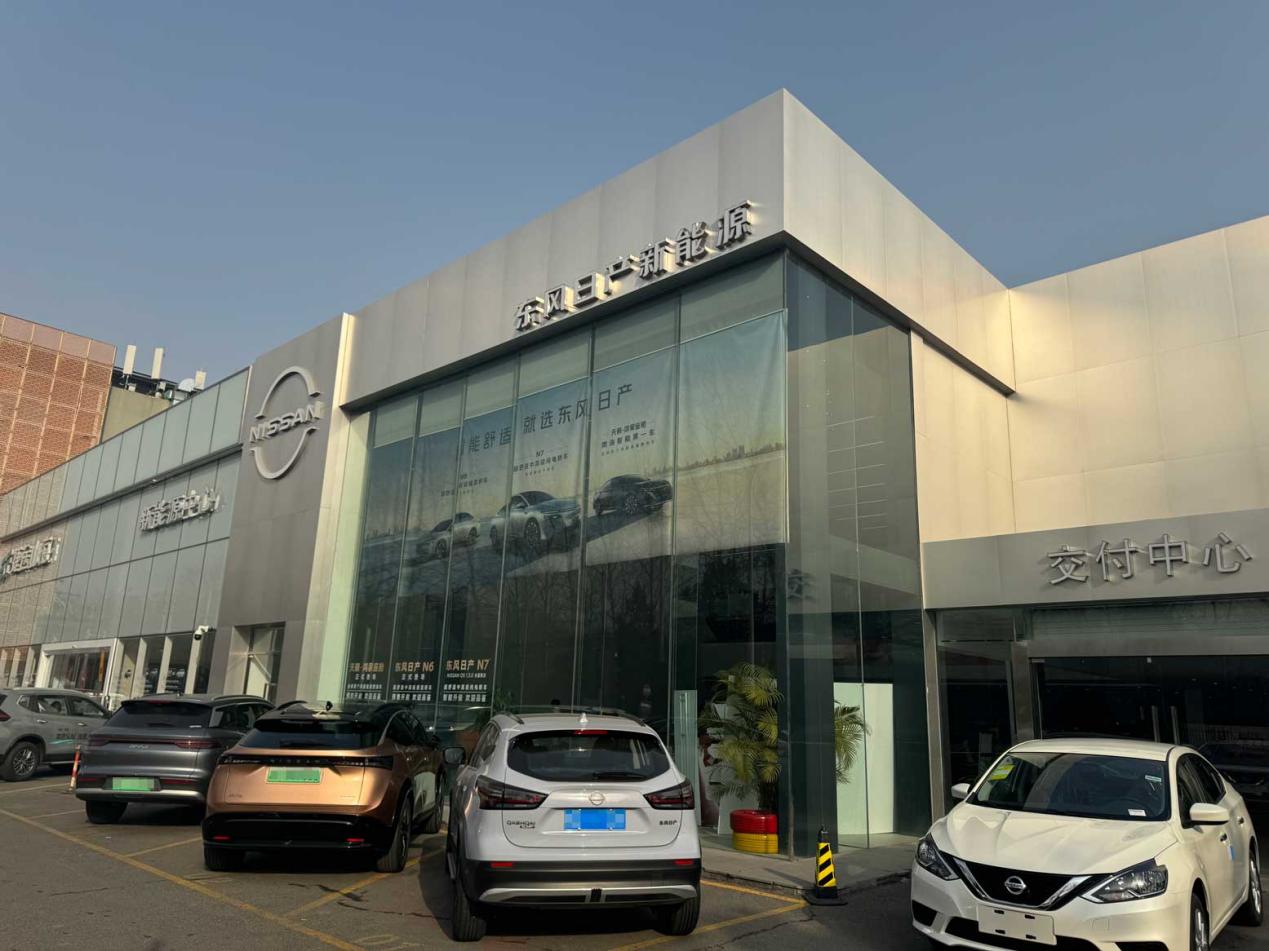
探店 | 东风日产天籁·鸿蒙座舱:延续舒适基因 智能化提升明显
Zhong Guo Zhi Liang Xin Wen Wang· 2026-01-30 07:49
Core Viewpoint - The Tianlai Hongmeng cockpit, as the first vehicle to implement Dongfeng Nissan's "oil-electric intelligence" strategy, has become a popular model in its segment due to its full-featured Hongmeng cockpit 5 system and comfort configurations that continue the brand's legacy [1] Group 1: Product Features - The Tianlai Hongmeng cockpit is equipped with the Hongmeng cockpit 5 system, featuring the 8295 chip and a 15.6-inch Huawei smart screen, providing a smooth operation experience without lag [12] - The vehicle includes an AI-level smart voice assistant that supports four-zone recognition and multi-turn dialogue, with high accuracy in recognizing dialects such as Sichuan and Cantonese [14] - The car's engine delivers a maximum power of 243Ps and a maximum torque of 371N·m, paired with a new intelligent XTRONIC CVT transmission, offering strong acceleration and performance [15] - The braking experience is designed for comfort, with a linear pedal feel and sufficient braking reserve, ensuring safety for daily commuting [17] - The vehicle maintains the "big sofa" comfort gene of the Tianlai series, with ergonomically designed seats that include massage, heating, and ventilation features starting from the second-lowest configuration [18] - Excellent sound insulation is achieved through double-layer sound-absorbing materials and double-layer laminated glass, effectively isolating road and tire noise [20] - The chassis features a MacPherson independent front suspension and a multi-link independent rear suspension, tuned for comfort to filter out road bumps [22] Group 2: Pricing and Financial Options - The limited-time price for the ultra-comfort version is set at 139,900 yuan, with additional costs including approximately 12,381 yuan for purchase tax, around 6,000 yuan for insurance, and a 500 yuan service fee for vehicle registration, totaling 158,781 yuan for full payment [23] - For financing, a zero-interest option is available for two years, with an example loan amount of 60,000 yuan requiring a down payment of 98,781 yuan and a monthly payment of about 2,500 yuan [23] Group 3: Market Positioning - The Tianlai Hongmeng cockpit addresses the smart shortcomings of traditional fuel vehicles while maintaining Dongfeng Nissan's signature comfort, making it a suitable choice for families seeking both the convenience of fuel vehicles and a smart travel experience [25]