软装修产品

Search documents
宜家中国一次性关闭7家门店,20年来罕见
商业洞察· 2026-01-12 09:26
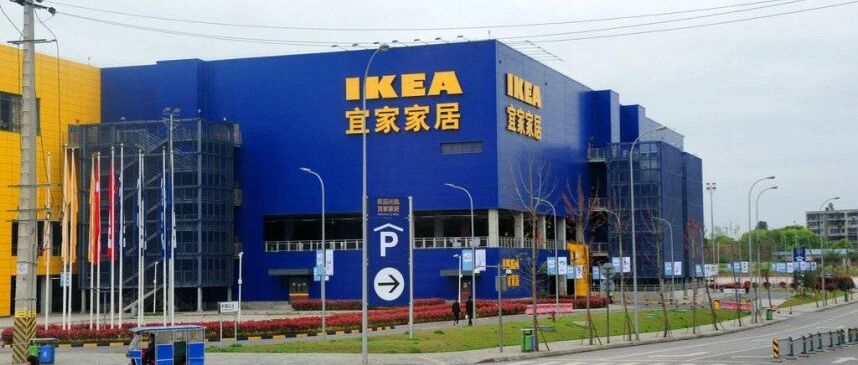
Core Viewpoint - IKEA is not exiting the Chinese market but is undergoing a significant structural adjustment, closing seven stores while focusing on smaller, urban stores and enhancing online presence [4][9]. Group 1: Store Closures and Adjustments - IKEA will close seven stores in China by February 2, 2026, including major locations like Shanghai Baoshan, which was once the largest IKEA in Asia [4]. - The closures are part of a broader strategy to shift from large-scale expansion to targeted development, with plans to open over ten smaller stores in key markets like Beijing and Shenzhen [9][20]. Group 2: Market Trends and Consumer Behavior - The retail landscape, particularly in the home goods sector, is evolving, with IKEA adapting by opening smaller stores that focus on consultation and experience rather than large warehouse-style outlets [20]. - Changes in consumer behavior, such as reduced frequency of visits to large stores due to the rise of online shopping and instant retail, have prompted IKEA to rethink its business model [14][20]. Group 3: Competitive Landscape - IKEA faces increasing competition from local brands that offer better price-performance ratios, necessitating a shift in strategy to maintain market share [24]. - The company has been reducing prices in response to competition from local brands like GenShuMuYu and LinShiJiaJu, indicating a need to enhance supply chain efficiency [24]. Group 4: Future Challenges - Despite the strategic shift, IKEA's response speed to changes in the Chinese market has been criticized as slow, which may hinder its competitiveness [27][28]. - The challenge lies in maintaining the brand's experiential essence while transitioning to smaller formats and online channels, as the immersive "showroom" experience is difficult to replicate in smaller stores [29][32].


宜家中国一次性关闭7家门店,20年来罕见
首席商业评论· 2026-01-10 04:11
Core Viewpoint - IKEA is closing seven stores in China by February 2, 2026, marking a rare occurrence in its over 20-year history in the country, but it is not exiting the market entirely; rather, it is undergoing a structural adjustment to focus on key markets like Beijing and Shenzhen [2][6]. Group 1: Store Closures and Adjustments - The seven stores being closed include locations in Shanghai, Guangzhou, Tianjin, Nantong, Xuzhou, Ningbo, and Harbin, with the Shanghai Baoshan store previously being the largest IKEA in Asia [2]. - IKEA China is shifting from large-scale expansion to targeted development, planning to open over ten smaller stores in the next two years, including new locations in Dongguan and Beijing [6][13]. Group 2: Market Challenges - The decline in the real estate market, reduced marriage rates among young people in major cities, and the rise of online shopping have decreased foot traffic to large stores, making the previous "big box" model less efficient [10][12]. - The heavy asset model of owning land and building stores has limited flexibility during market downturns, leading to the closure of underperforming locations [10][12]. Group 3: Future Strategy - IKEA is transitioning to smaller urban stores and enhancing its online presence, integrating various online platforms for a seamless shopping experience [13][15]. - The company is also focusing on improving price competitiveness against local brands by optimizing supply chain efficiency and reducing prices [15]. Group 4: Consumer Experience and Brand Identity - While IKEA's price reductions are a response to competition, the brand's strength lies in providing a unique shopping experience, which may be challenging to replicate in smaller stores and online formats [20][22]. - The need to maintain brand identity while adapting to a smaller store format is a significant challenge for IKEA moving forward [20][22].