过早文化衍生品

Search documents
历史街区的变迁与新生,央视聚焦大武汉的小里分
Chang Jiang Ri Bao· 2025-07-28 00:36
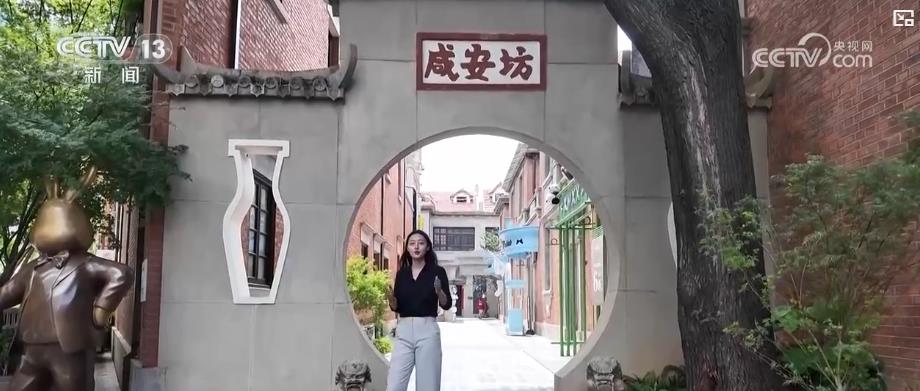
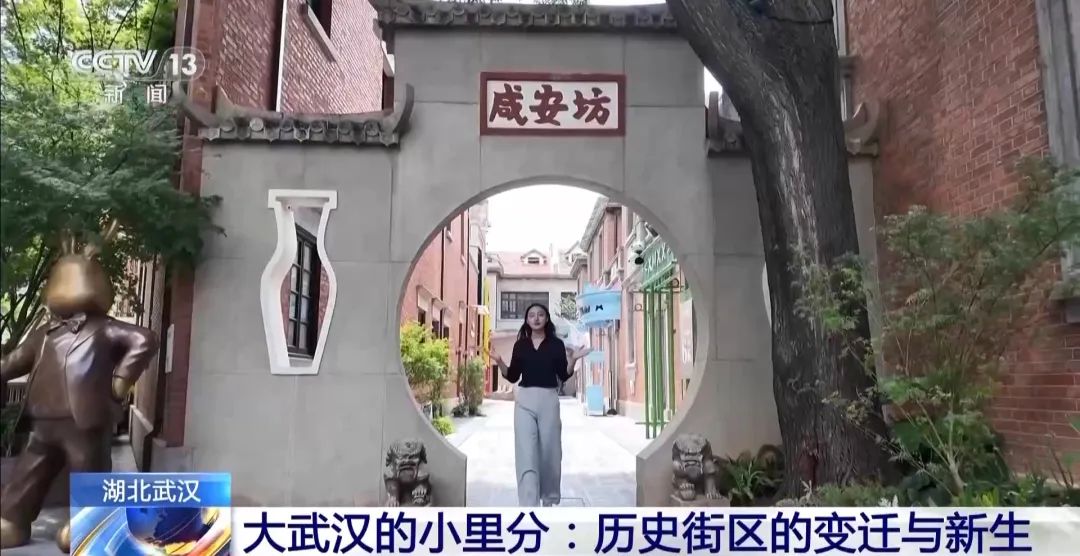
Core Viewpoint - The unique architectural style known as "Li Fen" in Wuhan is undergoing revitalization through restoration efforts, transforming old buildings into new cultural landmarks for citizens and tourists alike [1][6]. Group 1: Architectural Significance - "Li Fen" is a distinctive residential architectural form in Wuhan, characterized by red or blue bricks and red tiles, blending Western row house styles with traditional Chinese courtyard elements, emerging in the late 19th to early 20th century [3]. - The Xian'anfang area, established in 1915, is one of the best-preserved "Shikumen" architectural groups in China, historically known as a prestigious residential area during the Republic of China period [1][3]. Group 2: Cultural and Community Impact - The operator of Xian'anfang, Guo Honglin, emphasized the importance of cultural research and historical documentation in the restoration process, aiming to preserve and develop the "Li Fen" culture [5]. - The ongoing urban renewal efforts in Wuhan focus on balancing preservation and utilization, ensuring that the historical significance of "Li Fen" is maintained while adapting to modern needs [6]. Group 3: Modern Developments and Attractions - The renovated Xian'anfang is set to reopen in 2024, featuring modern dining and retail options, alongside local cultural performances and creative products, providing an immersive experience of Wuhan's local culture [9]. - The area has attracted various non-standard commercial shops, enhancing the appeal of the old "Li Fen" buildings and creating a vibrant atmosphere for visitors [15]. Group 4: Visitor Experience - Visitors express admiration for the beauty and historical ambiance of the area, noting the unique blend of dining and retail experiences that offer a fresh and trendy feel [11]. - The newly unveiled "Yanqingli" street, consisting of seven distinctive "Li Fen" buildings, has become a new cultural landmark in the Hankou historical area, showcasing the successful integration of history and modernity [13].

城市更新让老建筑焕发新生机 “活态博物馆” 变身文化新地标
Yang Shi Wang· 2025-07-26 07:51
Core Viewpoint - Wuhan is revitalizing its unique architectural heritage through "repairing the old as the old," transforming historical buildings into new landmarks for citizens and tourists [1] Group 1: Architectural Heritage - Wuhan features a distinctive architectural style that blends Chinese and Western elements, characterized by the "Li Fen" residential format, which emerged in the late 19th and early 20th centuries [5] - The "Xian'an Fang," established in 1915, is one of the best-preserved "Shikumen" architectural complexes in China, historically known as a prestigious residential area during the Republic of China [3] Group 2: Cultural and Economic Revitalization - The renovation of "Xian'an Fang" involved extensive cultural research and community engagement, aligning with national urban renewal policies to preserve historical heritage while promoting development [7] - The area has introduced modern businesses such as trendy dining and unique retail, alongside local cultural performances, allowing visitors to experience Wuhan's local culture in an immersive way [7][9] Group 3: Community and Innovation - The transformation of "Yuanqing Li," previously a staff dormitory, into a vibrant space with non-standard commercial shops exemplifies the successful integration of historical preservation with modern urban life [11] - Wuhan has 178 "Li Fen" buildings, with over 20 preserved in the Hankou historical and cultural area, highlighting the city's commitment to maintaining its architectural identity [12]