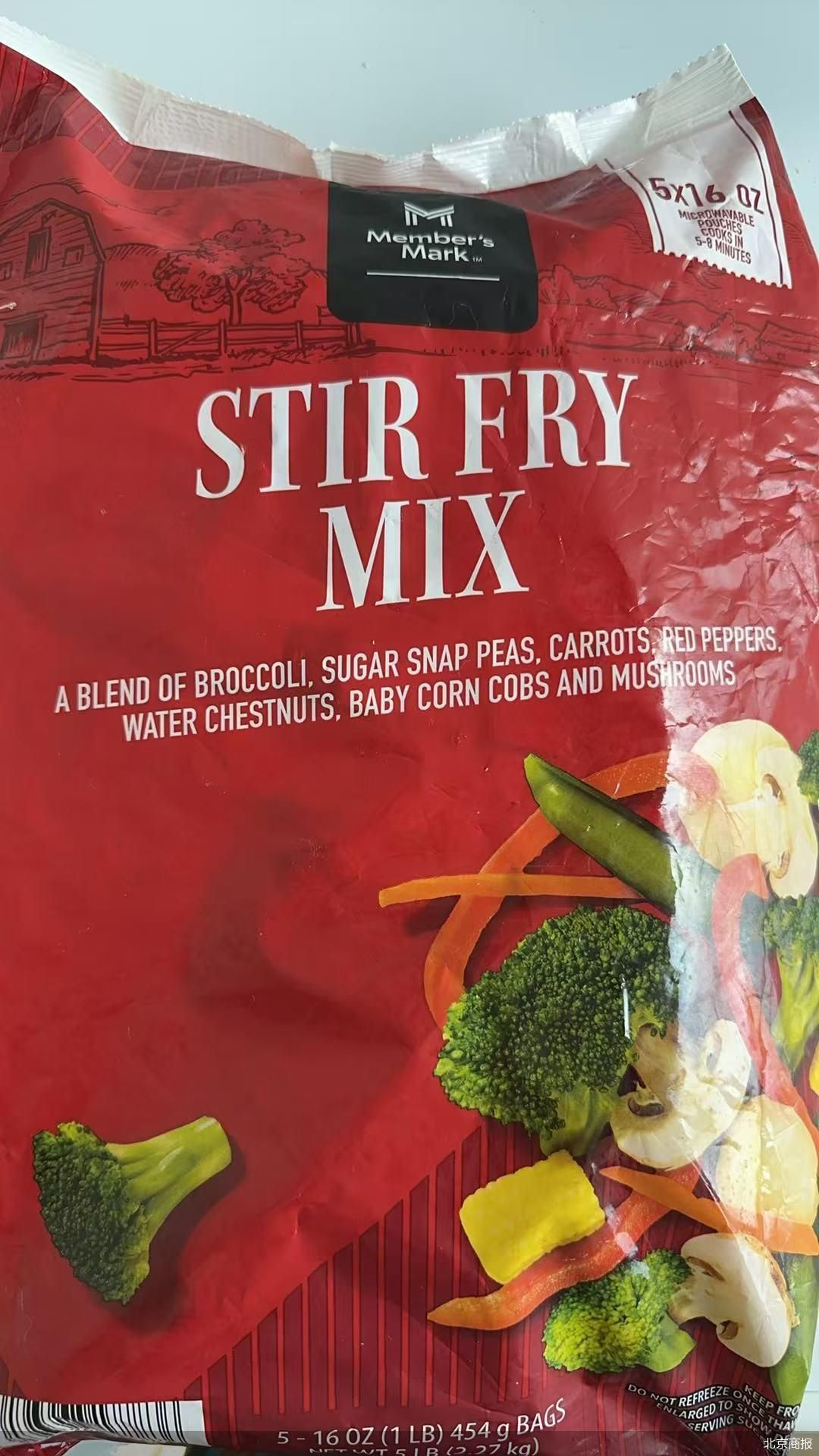
速冻西蓝花

Search documents
保质期长、售价超新鲜蔬菜 速冻蔬菜遭质疑背后:谁在买、值不值
Bei Jing Shang Bao· 2025-09-23 15:47
Core Insights - The safety and nutritional value of frozen vegetables have come under scrutiny, particularly following concerns about the long shelf life of frozen broccoli, leading to a trust crisis among consumers [1][2] - The price disparity of frozen vegetables in the market is significant, with some products costing up to twice as much as others, influenced by raw material quality and freezing technology [1][3] - The frozen vegetable market in China is projected to exceed 100 billion yuan by 2024, with strong growth expected through 2030, driven largely by B2B demand from the restaurant sector [4] Pricing and Cost Structure - The price of frozen vegetables can be comparable to or even exceed that of fresh vegetables, with examples showing frozen sweet corn priced at 29.8 yuan per pound, significantly higher than fresh counterparts [2][3] - The cost of raw materials and the choice of freezing technology contribute to price differences, with specialty vegetables like broccoli having cultivation costs that are approximately double that of common vegetables [3] - Traditional air-blast freezing is less efficient than liquid nitrogen freezing, which, while more expensive, preserves quality and reduces moisture loss, leading to higher market prices for products using advanced technology [3] Consumer Behavior and Market Trends - The convenience of frozen vegetables appeals to consumers, particularly younger and family demographics, as they save time on meal preparation [4] - B2B consumers, especially in the restaurant industry, are increasingly adopting frozen vegetables to reduce labor costs and minimize waste, highlighting a shift in purchasing patterns [4] - There is a growing need for consumer education regarding the nutritional value of frozen vegetables, as many still hold negative perceptions despite evidence supporting their quality [5][7] Nutritional Value and Safety Concerns - Concerns about the nutritional value of frozen vegetables, particularly regarding vitamin retention during long storage, persist among consumers [7] - Studies indicate that professionally frozen vegetables maintain nutritional value comparable to fresh produce, yet consumer skepticism remains [7][10] - The risk of improper home freezing practices can lead to lower nutrient retention compared to commercially frozen products [8] Industry Standards and Regulations - The development of national standards for frozen vegetables is crucial for consumer trust, with recent government initiatives aimed at enhancing food safety and transparency in the industry [9][10] - Existing regulations from 2014 outline production management standards for frozen vegetables, but enforcement and compliance by companies need improvement [9][10] - The industry's evolution towards standardized production and scientific management is essential for ensuring quality and safety in frozen food products [10][11]
保质期长、售价超新鲜蔬菜,速冻蔬菜遭质疑背后:谁在买、值不值
Bei Jing Shang Bao· 2025-09-23 13:01
Core Viewpoint - The safety and nutritional value of frozen vegetables are under scrutiny, particularly following concerns about the long shelf life of frozen broccoli, leading to a trust crisis among consumers [1][2][9] Pricing and Market Dynamics - The price of frozen vegetables varies significantly, with some products costing up to twice as much as others, influenced by raw material quality and freezing technology [1][6] - For example, frozen sweet corn prices range from 5.69 yuan for 245g to 52.9 yuan for 2.1kg, indicating a wide price disparity in the market [2][3] - In some cases, frozen vegetables are priced similarly to or even higher than fresh vegetables, with organic sweet corn priced at 13-15 yuan per pound for fresh, while some frozen varieties exceed this price [3] Consumer Behavior and Preferences - B2B restaurant enterprises are a significant consumer group for frozen vegetables, benefiting from reduced labor and material costs, as well as minimized waste [7] - The convenience of frozen vegetables appeals to younger and family demographics, as they save time on preparation [7][18] Nutritional Value and Safety Concerns - There is ongoing debate about the nutritional value of frozen vegetables compared to fresh ones, with studies indicating minimal differences in nutritional content [9][16] - Consumers express concerns about the potential loss of vitamins and the safety of frozen vegetables during storage and transportation [9][16] Industry Standards and Regulations - The development of the frozen vegetable industry is closely tied to regulatory guidance, with recent efforts to establish national standards for pre-prepared foods [17] - Existing standards for frozen vegetables have been in place since 2014, but the execution of these standards by companies needs improvement [17][18] Quality and Transparency - The quality and pricing of frozen vegetables depend heavily on the raw materials used and the efficiency of the supply chain [8][18] - Transparency in labeling and production processes is crucial for building consumer trust in frozen and pre-prepared foods [19]