避孕产品

Search documents
“中国性商第一人”周媛被查,封禁不是终点
Jing Ji Guan Cha Wang· 2026-01-31 03:32
Core Viewpoint - The investigation into Zhou Yuan, who claims to be the "first person in China's sexual commerce," highlights the problematic nature of her courses that commodify women's self-worth and perpetuate gender stereotypes [1][7]. Group 1: Business Model and Course Offerings - Zhou Yuan's "Sexual Commerce Course" operates in a gray area between emotional education and vulgar marketing, focusing on teaching women how to attract men through various techniques [2][3]. - The "Black and White Flip Sexual Commerce Academy" offers courses that include topics like charm enhancement, trauma healing, and intimacy skills, with a focus on using body language to attract men [2][3]. - The academy's business model extends to entrepreneurship and wealth creation, with courses that promote financial independence while simultaneously exploiting women's emotional anxieties [3][4]. Group 2: Revenue and Market Impact - The academy's online courses range from 9.9 yuan to over 8,800 yuan, with significant enrollment numbers, indicating a lucrative business model that has generated over 24 million yuan in revenue [4][5]. - The offline training camps are priced at 2,999 yuan for two days and 4,980 yuan for three days, attracting women, particularly those experiencing marital crises, to learn skills aimed at pleasing men [5][6]. - The academy claims to have served over 100,000 students since its inception, reflecting a substantial market impact and a growing demand for such courses [5][7]. Group 3: Regulatory Response and Social Implications - The local government has initiated an investigation into Zhou Yuan's activities, emphasizing the need for stricter regulation of businesses that objectify women and promote anxiety-driven consumption [1][8]. - The case of Zhou Yuan is not isolated, as similar businesses have faced scrutiny for their questionable practices, indicating a broader issue within the industry [7][8]. - There is a call for a comprehensive approach to education that promotes gender equality and healthy relationships, contrasting sharply with the commodified narratives presented by such courses [8].
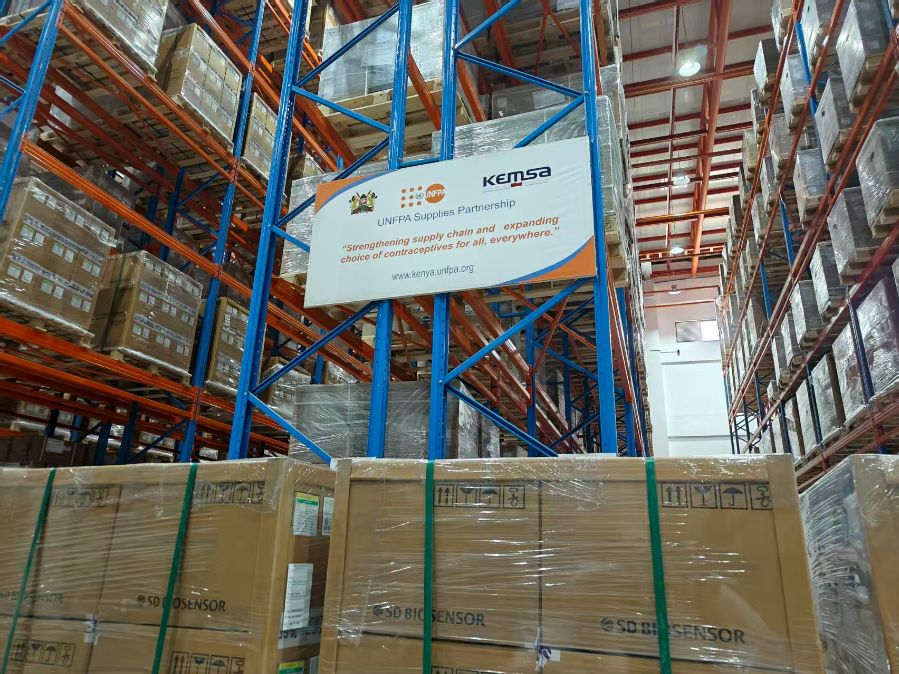
21现场|在肯尼亚医疗用品管理局仓库寻找“中国制造”
2 1 Shi Ji Jing Ji Bao Dao· 2025-08-07 12:00
Core Insights - The majority of medical supplies in Kenya, over 90%, are sourced from China, significantly supporting the country's healthcare system [1][2] - KEMSA, the Kenyan Medical Supplies Authority, plays a crucial role in providing logistics services for public health facilities, focusing on quality and cost-effectiveness [2][3] Group 1: KEMSA's Role and Operations - KEMSA is responsible for the procurement, storage, and distribution of medical supplies to support Kenya's health strategy and universal health coverage goals [1][2] - The organization emphasizes transparency in procurement, adhering to the Public Procurement Act to ensure fair bidding processes [2] - KEMSA's procurement strategy is highly price-sensitive, favoring suppliers that offer high-quality products at competitive prices, particularly from China and India [3] Group 2: Dependency on Chinese Medical Supplies - China is a leading source of medical equipment for Kenya, especially in consumables and basic medical devices, with a significant share in disposable items like gloves and masks [2][3] - KEMSA's strict procurement standards require suppliers to provide reliable quality and stable supply, which Chinese medical products have demonstrated [2][3] Group 3: Local Production Initiatives - KEMSA is advocating for local production of medical supplies to reduce dependency on imports, which can lead to logistical challenges and increased costs [5][6] - Currently, about 37 local manufacturers supply over 70% of essential medicines, but special medical products still rely heavily on imports [6] - KEMSA is encouraging Chinese companies to establish local production capabilities to enhance supply chain resilience and cost-effectiveness [5][6] Group 4: International Collaboration - KEMSA collaborates with international aid organizations like Global Fund and WHO to enhance public health initiatives, particularly in combating diseases like HIV, tuberculosis, and malaria [6][8] - The partnership has facilitated significant funding and support for healthcare projects, ensuring timely delivery of essential medical supplies across Kenya [6][8] - Kenya has made notable progress in HIV management, achieving high rates of diagnosis and treatment adherence, supported by international aid [8]