酸汤子

Search documents
当讨论面条时人们在讨论什么
Xin Lang Cai Jing· 2026-02-22 07:35
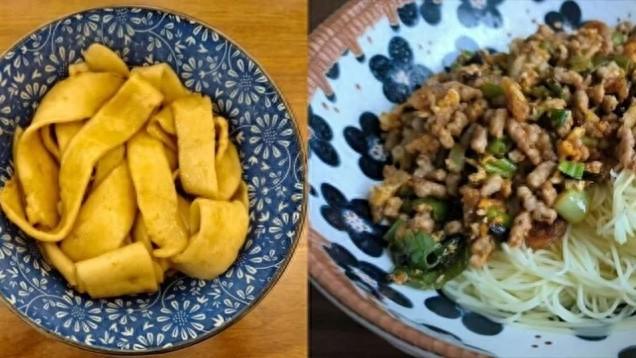
Group 1 - The article discusses the unique culinary traditions of a specific region, particularly focusing on the sweet noodle dish known as "tian mian" which is characterized by its high sugar content and is traditionally served during special occasions [3][5] - The author reflects on the cultural significance of sweetness in the local cuisine, noting that many traditional dishes incorporate sugar, highlighting the region's distinct preference for sweet flavors [3][5] - The article contrasts the sweet noodle with other regional noodle varieties, such as the sour "suan tang zi" from Northeast China, showcasing the diversity of noodle dishes across different provinces [5][7] Group 2 - The preparation methods of various noodle types are described, emphasizing the skill and effort required in making them, such as the labor-intensive process of making "la tiao zi" which involves a dance-like technique [9][10] - The article introduces a philosophical discussion about food preferences, categorizing people into "noodle personalities" and "dumpling personalities," which sparks a debate about the nature of openness and complexity in food choices [10][12] - The author reflects on the cultural implications of food discussions, suggesting that debates over food are not just about taste but also about identity, values, and social interactions within the community [14][15]

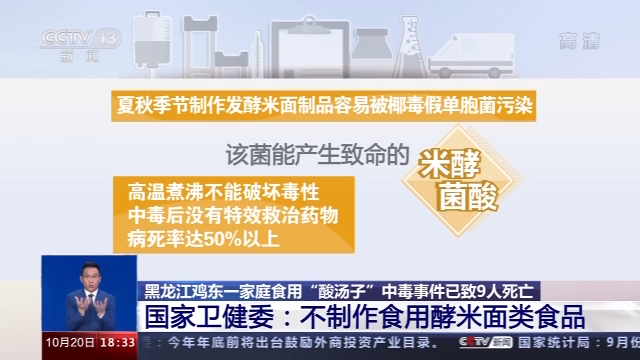
“酸汤子”再夺命!警惕餐桌上的致命毒素
Yang Shi Xin Wen· 2025-10-16 06:45
Core Viewpoint - Recent food poisoning incidents in Heilongjiang province highlight the dangers of "rice yeast toxin," which can be lethal even in small amounts [1][3]. Group 1: Overview of Rice Yeast Toxin - "Rice yeast toxin" is produced from contaminated fermented grains, coconuts, and edible fungi, characterized by its strong toxicity, colorless and tasteless nature, and heat resistance [3]. - A lethal dose of rice yeast toxin is as low as 1 milligram, with a mortality rate exceeding 50% for those affected [3]. Group 2: Foods Prone to Contamination - Foods that are prone to rice yeast toxin contamination include: - Fermented grain products such as "sour soup" [5][7]. - Spoiled edible fungi like long-soaked white fungus and black fungus [9]. - Starchy products including potato noodles and sweet potato flour [12]. Group 3: Prevention Measures - Prevention of rice yeast toxin poisoning requires strict hygiene practices and dietary habits, as traditional cooking methods cannot eliminate the toxin [14]. - Recommendations include purchasing food from reputable manufacturers, checking product labels and expiration dates, and avoiding visibly spoiled products [14]. - Soaking times for food should be controlled, ideally not exceeding 2 hours, and fresh white fungus should be avoided [14].