
饮食文化

Search documents
一碗红烧羊肉里的江南
Xin Lang Cai Jing· 2026-02-26 22:50
Core Insights - The article explores the cultural significance and evolution of red-braised lamb in Jiangnan, highlighting its transition from a ceremonial dish to a common household staple, reflecting broader societal changes [5][9] - The lamb industry in Huzhou has developed into a significant economic driver, with a complete industrial chain that includes breeding, processing, and tourism, contributing to local farmers' income [8] Group 1: Cultural Significance - Red-braised lamb is not merely a dish but a representation of regional culinary traditions and memories, deeply embedded in the local culture of Jiangnan [6][9] - The preparation methods and ingredients have evolved over time, showcasing the blend of northern and southern culinary practices, resulting in a unique flavor profile [6][7] Group 2: Economic Impact - The lamb industry in Huzhou has established a comprehensive industrial chain, generating an annual output value of 560 million yuan, significantly benefiting local farmers [8] - The average disposable income for farmers in Lushan Township reached 51,000 yuan last year, indicating the economic importance of the lamb industry in the region [8]

当讨论面条时人们在讨论什么
Xin Lang Cai Jing· 2026-02-22 07:35
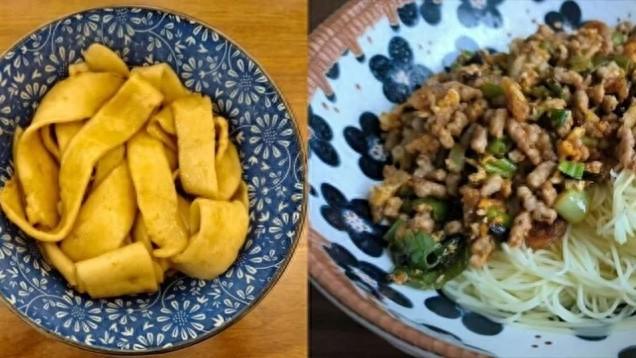
Group 1 - The article discusses the unique culinary traditions of a specific region, particularly focusing on the sweet noodle dish known as "tian mian" which is characterized by its high sugar content and is traditionally served during special occasions [3][5] - The author reflects on the cultural significance of sweetness in the local cuisine, noting that many traditional dishes incorporate sugar, highlighting the region's distinct preference for sweet flavors [3][5] - The article contrasts the sweet noodle with other regional noodle varieties, such as the sour "suan tang zi" from Northeast China, showcasing the diversity of noodle dishes across different provinces [5][7] Group 2 - The preparation methods of various noodle types are described, emphasizing the skill and effort required in making them, such as the labor-intensive process of making "la tiao zi" which involves a dance-like technique [9][10] - The article introduces a philosophical discussion about food preferences, categorizing people into "noodle personalities" and "dumpling personalities," which sparks a debate about the nature of openness and complexity in food choices [10][12] - The author reflects on the cultural implications of food discussions, suggesting that debates over food are not just about taste but also about identity, values, and social interactions within the community [14][15]
“泡唧”声声
Xin Lang Cai Jing· 2026-02-14 07:11
Core Viewpoint - The article highlights the cultural significance and culinary traditions associated with the preparation of fried snacks, particularly during the New Year celebrations in a fishing village, emphasizing the historical and social aspects of these practices. Group 1: Culinary Traditions - The preparation of fried snacks, referred to as "泡唧," is a significant culinary event during the New Year, characterized by the sounds and aromas of cooking, which create a festive atmosphere [1][2]. - Key ingredients for "泡唧" include fish such as ribbonfish and eel, which are prepared using specific techniques to achieve a desirable texture and flavor [2]. - The use of different types of flour for frying affects the texture of the snacks, with rice flour producing a crispy texture that hardens when cooled, while wheat flour results in a softer, fluffier product [2]. Group 2: Historical Context - The term "鼎" (ding) has evolved from a cooking vessel in ancient times to a common term for pots in the Minnan dialect, reflecting the cultural heritage of the region [1]. - The cooking technique known as "炮" (pao), which includes frying, has historical roots in ancient Chinese culinary practices, showcasing the evolution of cooking methods over time [3]. - The migration of people and the transmission of culinary traditions have played a crucial role in shaping the local food culture, linking past and present practices [4]. Group 3: Modern Relevance - Nostalgic flavors from traditional fried foods have become more accessible, transforming from seasonal delicacies to everyday items in local markets [5]. - The resurgence of interest in traditional fried snacks reflects a broader trend of valuing cultural heritage and culinary history in contemporary society [5].
煮饭何如煮粥强
Xin Lang Cai Jing· 2026-01-28 00:11
Group 1 - The article emphasizes the historical significance and cultural importance of congee in Chinese cuisine, highlighting its status as a staple food that is widely loved by the public [1][2] - Congee is portrayed as a versatile dish that can be consumed in various situations, such as when hungry, tired, or needing hydration, and is particularly beneficial for those with digestive issues or recovering from surgery [1][2] - The article notes the evolution of congee from a basic sustenance food to a health-oriented option, with businesses creatively developing various types of congee to meet modern health demands [1][2] Group 2 - The simplicity of making congee is highlighted, indicating that it requires minimal technical skill, making it accessible for everyone [2] - Historical references to congee are provided, including its mention in ancient texts and its medicinal uses by renowned physicians, showcasing its long-standing presence in Chinese culture [2][3] - The article discusses the growing interest in congee from international perspectives, including research from Harvard University that links the consumption of coarse grain congee to longevity and health benefits [3]
木须肉、醋熘木须……木须到底是什么?
Xin Lang Cai Jing· 2026-01-23 16:48
Core Viewpoint - The term "木须" (mù xū) in Chinese cuisine, commonly associated with dishes like "木须肉" and "醋熘木须," actually refers to scrambled eggs rather than black fungus, reflecting a historical linguistic practice to avoid the word "蛋" (egg) due to its negative connotations in the past [1][2][3] Group 1 - The name "木须" is derived from the poetic term "木樨" (mù xī), which refers to osmanthus flowers, symbolizing the appearance of scrambled eggs that resemble the flower's golden and fluffy form [1][3] - The evolution from "木樨" to "木须" is attributed to phonetic changes in spoken language, where the pronunciation shifted due to the influence of surrounding sounds, particularly in Northern dialects [2] - The term "木须" encapsulates not only the visual aspect of the dish but also carries historical and cultural significance within Chinese culinary traditions [3]
我的“潮菜缘”
Xin Lang Cai Jing· 2026-01-07 06:54
Core Viewpoint - The article discusses the recognition and awards received by individuals and organizations promoting Chao cuisine, highlighting the cultural significance and community efforts in preserving and innovating culinary traditions in the Chaozhou region [1][2][3][4]. Group 1: Awards and Recognition - The "China Modern Literature Academic Contribution Honor Award" was received by a prominent figure in the literary field, while the "Chao People and Chao Cuisine Merit Award" was given by a local organization focused on promoting Chao cuisine [1]. - The Shantou Chao People and Chao Cuisine Research Institute celebrated its fifth anniversary with a grand event featuring performances, speeches, and awards, showcasing its achievements in promoting Chao cuisine [2]. Group 2: Cultural Promotion and Community Engagement - The article emphasizes the importance of community organizations in promoting local cuisine, noting that various institutes exist in the Chaozhou area, each contributing to the cultural landscape without formal hierarchy [1][2]. - The author highlights the role of food culture in education and community identity, suggesting that culinary traditions can bridge cultural divides and foster appreciation for local heritage [3][4]. Group 3: Achievements in Culinary Recognition - The successful application for Chaozhou to be recognized as a "City of Gastronomy" by UNESCO marks a significant achievement, positioning it alongside other renowned culinary cities in China [4]. - The article encourages further efforts from local governments and culinary professionals in Shantou to pursue similar recognition, indicating the potential for regional culinary tourism and cultural exchange [4].
识味顺德︱顺德粥世界的滚烫鲜香
Xin Lang Cai Jing· 2026-01-01 04:22
Core Viewpoint - The article highlights the cultural significance and culinary diversity of congee in Shunde, emphasizing its role as a beloved dish that transcends social classes and occasions, from breakfast to late-night snacks [1][3]. Group 1: Cultural Significance - Congee represents a rich cultural heritage in Chinese civilization, with a history dating back over 2200 years to the era of the Five Emperors [3]. - The preparation and consumption of congee reflect the philosophy of harmony with nature and the integration of various ingredients, showcasing the culinary wisdom of the Cantonese people [3]. Group 2: Types of Congee - Shunde congee can be categorized into several types, with the most common being the freshly cooked "生滚粥" (live congee), which is served hot and fresh, symbolizing a warm start to the day [4][5]. - The ingredients for "生滚粥" are carefully selected, including a variety of meats and vegetables, with the cooking techniques being crucial for achieving the desired flavors [5][7]. Group 3: Popular Variants - The "猪杂粥" (pork offal congee) is a popular breakfast item, made with fresh ingredients sourced directly from slaughterhouses, emphasizing the importance of freshness in its preparation [14][24]. - Another notable variant is the seafood congee, which incorporates high-quality ingredients like abalone and lobster, showcasing the culinary creativity in Shunde [20][22]. Group 4: Culinary Techniques - The preparation of congee involves specific techniques, such as the timing of adding ingredients to ensure optimal flavor and texture, which reflects the skill of the chef [15][25]. - The article emphasizes the importance of controlling the cooking process, particularly for mixed congee, to achieve a harmonious blend of flavors from different ingredients [8][19].
东西问丨何宏:从臭鳜鱼到鲱鱼罐头,世界美食为何 “臭”味相投?
Zhong Guo Xin Wen Wang· 2025-11-05 13:29
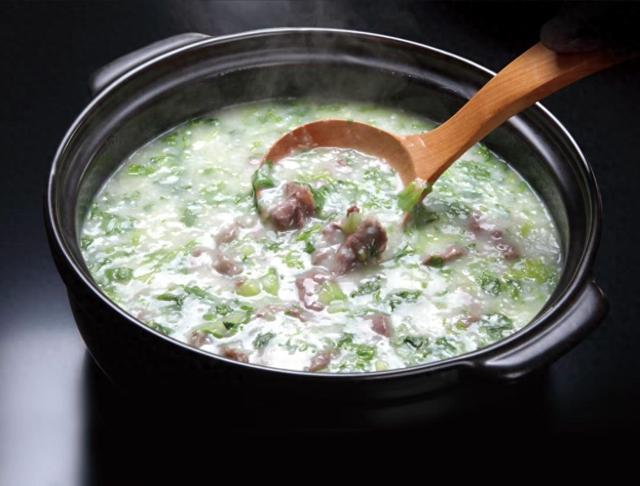
Core Insights - The article discusses the phenomenon of "stinky" foods across different cultures, exploring why these foods have gained acceptance and popularity despite their strong odors [1][3]. Group 1: Commonalities and Differences in Stinky Foods - Many foods known for their strong odors, such as stinky fish and fermented products, have a commonality in that they were historically developed due to food scarcity and preservation needs [3][5]. - The acceptance of these foods varies by culture, influenced by geographical and social factors, showcasing the diversity of culinary practices [3][6]. Group 2: Cultural Acceptance and Globalization - The spread of "stinky" foods has been facilitated by globalization, which has led to a greater openness to diverse culinary experiences among people from different backgrounds [5][6]. - The unique flavors of stinky foods, such as stinky fish and fermented tofu, are increasingly recognized and appreciated by international diners, reflecting a broader cultural exchange [6][7]. Group 3: Role of Stinky Foods in Cultural Understanding - Stinky foods serve as cultural symbols that can enhance understanding and appreciation between different cultures, as they are tied to local climates, historical changes, and community characteristics [7]. - As Chinese cuisine gains more recognition globally, foods like stinky fish are transitioning from being mere curiosities to becoming integral parts of the culinary landscape appreciated by a wider audience [7].

多图 | “鲜”声夺人!汕尾展团实力“引爆”深圳食博会
Nan Fang Nong Cun Bao· 2025-10-23 04:04
Core Viewpoint - The Shantou exhibition group has successfully captured attention at the 2025 Global High-end Food and Quality Agricultural Products Expo in Shenzhen, showcasing the region's unique culinary offerings and agricultural achievements [2][3]. Group 1: Exhibition Highlights - The Shantou exhibition features a vibrant display of local culture, including traditional fishing songs and tea ceremonies, which attract many visitors [12][20]. - The exhibition area showcases a variety of high-quality agricultural products and specialty foods, reflecting the fruitful results of Shantou's modern agricultural development [23][24]. - Popular products include seafood balls and beef balls from Shantou City Guotai Food Co., Ltd., which draw large crowds for tasting [28][29]. Group 2: Featured Products - The "Baolou Ginger" series from Shantou City Hengpin Agricultural Development Co., Ltd. has become a popular choice among visitors, especially with the cooling weather [33][34]. - Fresh and vibrant fruits such as oil olives and lemons from Shantou City Nanguo Agricultural Co., Ltd. are highlighted for their quality [36][37]. - The unique "Luhou Lei Tea," recognized as an intangible cultural heritage, attracts significant attention as visitors engage in the traditional preparation process [40][41]. Group 3: Marine Resources - The Shantou New Sheng Aquaculture Co., Ltd. showcases live lobsters and purple sea urchins, emphasizing the region's rich marine resources and quality seafood capabilities [47][48]. - Long queues form at the booth of Lufeng City Jurun Ecological Agricultural Technology Co., Ltd., where visitors eagerly await to taste sweet sweet potatoes and authentic Shantou rice noodles [52][53]. Group 4: Marketing and Engagement - The booth of Shantou City Fenglong Rice Industry Co., Ltd. features enthusiastic live streaming to promote the appeal of Shantou's high-quality rice to consumers nationwide [55][56].

近500名烹饪精英苏城亮绝活
Su Zhou Ri Bao· 2025-10-18 00:21
Core Viewpoint - The 2025 National Golden Chef Dish Display and Exchange Invitation Competition officially commenced on October 17, showcasing nearly 500 culinary elites from across China, highlighting regional culinary cultures and innovative cooking techniques [1] Group 1: Event Overview - The competition is a key professional event for the Chinese Chef Festival, featuring a vibrant atmosphere as chefs present their signature dishes [1] - Dishes reflecting regional characteristics are being showcased, attracting admiration from attendees who are eager to appreciate and photograph the culinary creations [1] Group 2: Featured Dishes - Wang Yaorong, general manager of Xiyuan Xirong Catering in Taiyuan, presented the innovative dish "Vinegar Pepper Yellow River Carp," which utilizes high-quality carp from the Yellow River and traditional Shanxi vinegar, showcasing Shanxi's culinary culture [1] - The cooking method for "Vinegar Pepper Yellow River Carp" emphasizes the importance of fresh ingredients and meticulous techniques, ensuring the fish retains its tenderness while absorbing the flavors of the sauce [1] - The "Braised Taihu Lamb" from Huzhou, Zhejiang, created by chef Shen Jinliang, is made from the waist and belly meat of Taihu lamb, using traditional techniques and has been recognized as a five-star gold medal dish in a previous competition [1][2] Group 3: Cooking Techniques - The preparation of "Braised Taihu Lamb" involves a seemingly simple method that requires only lamb soy sauce, emphasizing slow cooking over a fire for approximately three hours to achieve a tender and rich flavor [2] - The detailed cooking process ensures the dish is "tender but not mushy, rich but not greasy," highlighting the craftsmanship involved in traditional Chinese cooking [2]