米酵菌酸中毒

Search documents
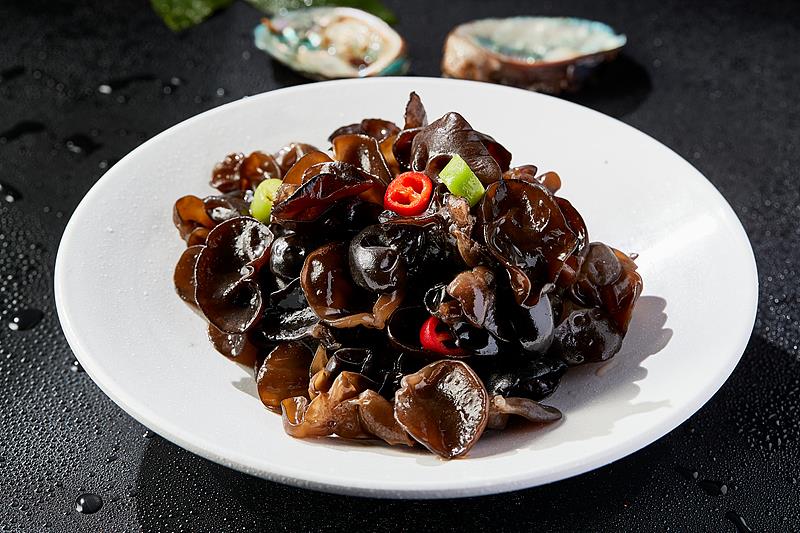
郑州一男童食用隔夜木耳进ICU!医生紧急提醒!
Xin Lang Cai Jing· 2026-01-19 04:46
Core Viewpoint - The article highlights the dangers of consuming improperly prepared dried mushrooms, specifically the risk of mycotoxin poisoning from overnight soaked wood ear mushrooms, which can lead to severe health crises, including death [1][3]. Group 1: Incident Overview - A 5-year-old boy experienced severe symptoms after consuming overnight soaked wood ear mushrooms, leading to a diagnosis of mycotoxin poisoning and requiring ICU treatment [1]. - The poisoning was attributed to mycotoxin produced by the bacterium Pseudomonas cocovenenans, which is known for causing fatal foodborne illnesses [3]. Group 2: Mycotoxin Characteristics - Mycotoxin is highly heat-resistant, remaining unaffected by boiling or pressure cooking, making conventional cooking methods ineffective for detoxification [5]. - The lethal dose of mycotoxin is as low as 1-1.5 milligrams, with a mortality rate ranging from 40% to 100%, and it causes irreversible damage to vital organs [5]. - The toxin is colorless and odorless, making it difficult to detect until significant contamination has occurred [5]. Group 3: Food Safety Guidelines - It is advised that wood ear and silver ear mushrooms should not be soaked at room temperature for more than 4 hours, and in warmer conditions, this time should be reduced to 2-3 hours [8]. - For dried beans, soaking should be limited to 4-6 hours in warm water, and they should not be left overnight [8]. - Regularly changing the soaking water and thoroughly cooking the soaked ingredients are recommended to minimize bacterial growth and toxin accumulation [8].

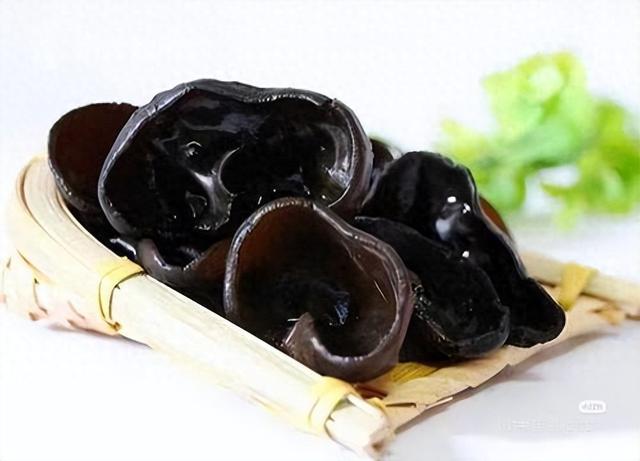
“酸汤子”再夺命!警惕餐桌上的致命毒素
Yang Shi Xin Wen· 2025-10-16 06:45
Core Viewpoint - Recent food poisoning incidents in Heilongjiang province highlight the dangers of "rice yeast toxin," which can be lethal even in small amounts [1][3]. Group 1: Overview of Rice Yeast Toxin - "Rice yeast toxin" is produced from contaminated fermented grains, coconuts, and edible fungi, characterized by its strong toxicity, colorless and tasteless nature, and heat resistance [3]. - A lethal dose of rice yeast toxin is as low as 1 milligram, with a mortality rate exceeding 50% for those affected [3]. Group 2: Foods Prone to Contamination - Foods that are prone to rice yeast toxin contamination include: - Fermented grain products such as "sour soup" [5][7]. - Spoiled edible fungi like long-soaked white fungus and black fungus [9]. - Starchy products including potato noodles and sweet potato flour [12]. Group 3: Prevention Measures - Prevention of rice yeast toxin poisoning requires strict hygiene practices and dietary habits, as traditional cooking methods cannot eliminate the toxin [14]. - Recommendations include purchasing food from reputable manufacturers, checking product labels and expiration dates, and avoiding visibly spoiled products [14]. - Soaking times for food should be controlled, ideally not exceeding 2 hours, and fresh white fungus should be avoided [14].
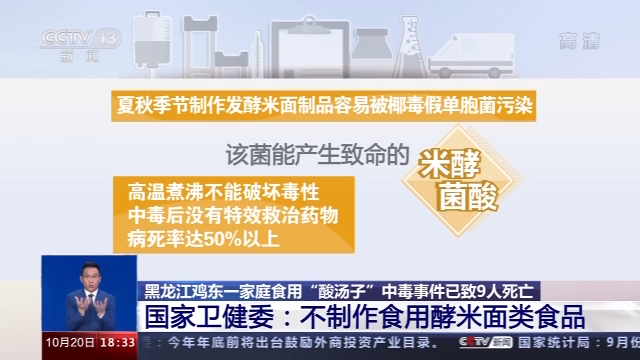
一盘凉拌菜让她全身“换血”保命!这三类食物是中毒的“重灾区”
Yang Shi Xin Wen· 2025-06-17 05:36
Core Viewpoint - A common cold dish, specifically a type of mushroom, has led to severe health complications, including acute liver failure and metabolic acidosis, in a 68-year-old woman in Zhejiang, highlighting the dangers of improperly prepared food [3][4]. Group 1: Incident Overview - A 68-year-old woman experienced severe symptoms after consuming a cold dish made from white fungus that had been soaked overnight [3][4]. - She was hospitalized with liver function indicators exceeding normal values by several times, leading to a critical condition [4]. Group 2: Toxicity of Mycotoxin - The woman was suspected to have suffered from mycotoxin poisoning due to the consumption of improperly stored white fungus, which can produce a toxin called "mycotoxin" [4][6]. - Mycotoxin is highly toxic, with just 1 milligram being potentially lethal, and it is resistant to high temperatures and difficult to remove through cooking [6][7]. Group 3: Symptoms and Treatment - Symptoms of mycotoxin poisoning include abdominal discomfort, nausea, vomiting, diarrhea, dizziness, and general weakness, with a high mortality rate exceeding 40% in severe cases [7][8]. - Treatment options are limited, focusing on supportive care and blood plasma exchange, as there is no specific antidote for mycotoxin poisoning [4][7]. Group 4: Prevention Measures - To avoid mycotoxin poisoning, it is advised not to self-ferment food products, consume soaked mushrooms immediately, and purchase food from reputable sources [13][15]. - Proper storage conditions, such as keeping food in a cool, ventilated area and avoiding direct sunlight, are essential to prevent food spoilage [18][19].