重载铁路自动编队控制系统

Search documents
重载列车开启“蓝牙跟车”时代
Xin Lang Cai Jing· 2026-02-01 23:26
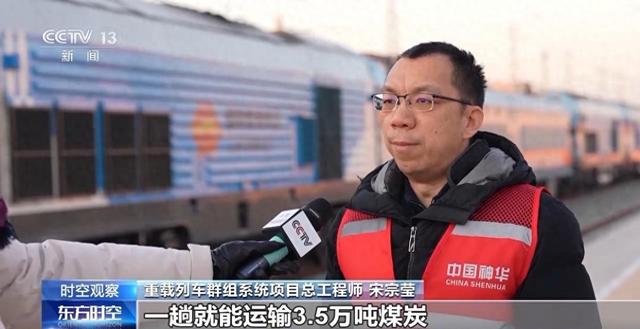
Core Insights - The article discusses the successful implementation of the world's first automatic train formation technology for heavy-haul trains in Inner Mongolia, marking a significant technological breakthrough in railway transportation [1][2] - The new "virtual coupling" technology allows trains to operate without physical connections, relying instead on wireless communication, thus entering the "smart grouping" era for heavy-haul rail transport [1] Group 1: Technology Overview - The "virtual coupling" system is the first of its kind globally, developed independently by China, and is likened to a smart beehive where the control center acts as the "queen bee" and each train functions as an autonomous "worker bee" [1] - This system enables trains to form and disband groups on command, enhancing operational flexibility and efficiency [1] Group 2: Operational Efficiency - The technology addresses significant challenges in heavy-haul transport, such as the risks associated with longer trains, including coupling failures and braking synchronization issues [1] - The system reduces the tracking distance between trains from over 4 kilometers to approximately 1 kilometer and decreases the departure interval from over 10 minutes to under 5 minutes, thus improving operational efficiency [2] Group 3: Capacity Enhancement - The "virtual coupling" technology is set to be first applied in a key transportation corridor formed by the Baoshen, Shenshuo, and Shuohuang railways [2] - It is estimated that this technology could enhance the overall capacity of heavy-haul railways by over 50% [2]
从硬连接到虚拟连挂 我国铁路重载运输迈入智能群组时代
Xin Lang Cai Jing· 2026-01-21 14:26
Core Viewpoint - The successful trial of China's self-developed 35,000-ton heavy-duty group train marks the world's first automatic formation driving of heavy freight trains, utilizing wireless signals for coordination without mechanical couplings [1][3][15]. Group 1: Technological Innovation - The heavy-duty railway group system allows for flexible train formations, breaking the limitations of traditional long trains, enabling different models and loading states to form and disband as needed [1][5]. - The system employs "virtual coupling," which fundamentally avoids the issues of uneven force distribution in long trains, enhancing safety and efficiency in freight transport [5][11]. - The innovative control system, developed over three years, operates like a bee colony, with a central control unit managing the real-time status of each train [5][9]. Group 2: Operational Efficiency - The new system reduces the distance between trains from 4 kilometers to approximately 1 kilometer, and the time interval from over 10 minutes to under 5 minutes, allowing for efficient group operations [9][11]. - The technology enables a 50% increase in overall capacity for heavy-duty trains, potentially transforming global railway transport models [16]. Group 3: Industry Impact - This trial signifies a milestone in heavy-duty railway transport, shifting from physical connections to digital collaboration, which is a fundamental change in train signal control [13][15]. - The transition to a model where trains autonomously follow each other based on real-time communication represents a significant evolution in railway operations, with implications for future transport systems [15][16].