金元宝

Search documents
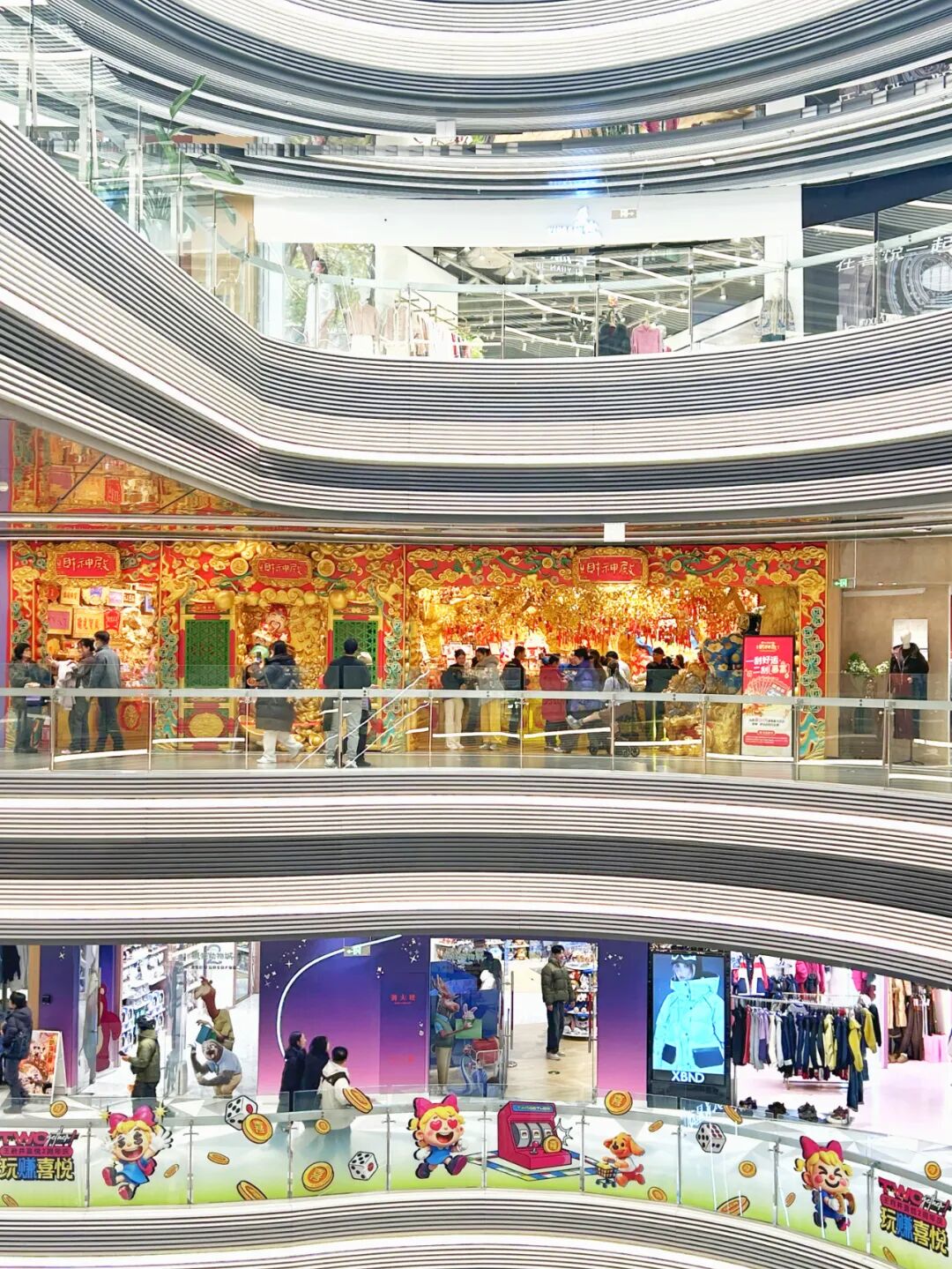
求好运的年轻人,挤满了购物中心的财神殿
3 6 Ke· 2025-12-18 11:33
Group 1 - The article discusses the trend of integrating traditional Chinese culture, specifically the "Caishen" (God of Wealth), into shopping malls, transforming them into interactive and immersive experiences for consumers [1][12][19] - Shopping centers are increasingly featuring "Caishen" themed stores that offer a variety of products symbolizing good fortune, catering to the emotional needs of consumers seeking hope and prosperity [12][14][26] - The business model is gaining traction, with brands like "You Xian Er Ji Tao Qu Cai Shen Dian" expanding rapidly across major cities, aiming to become a leading player in the cultural and creative sector related to traditional blessings [8][28] Group 2 - The stores are designed to attract foot traffic through elaborate decorations and immersive experiences, resembling theme parks rather than traditional retail spaces [4][9][26] - The target demographic includes both local consumers and tourists, with a notable interest from younger generations who are looking for affordable and meaningful purchases [14][24] - The rise of these stores reflects a broader cultural shift towards seeking emotional value and relief from anxiety in the context of economic pressures and changing job markets [19][24][26]

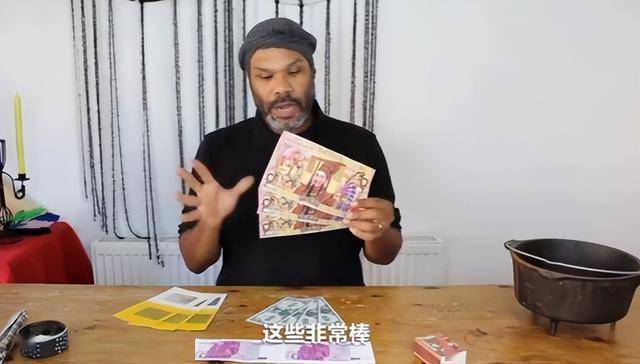
中国冥币火到国外!7到20美元一沓,网友:这个没用,得买金元宝
Sou Hu Cai Jing· 2025-06-24 10:38
Core Viewpoint - The popularity of Chinese "ghost money" has surged internationally, particularly in Western markets, where it has been rebranded as "Ancestor money" and has become a trending product [1][7]. Group 1: Market Trends - A young woman in Paris gained significant attention by selling ghost money during Halloween, marking the beginning of a profitable venture [3]. - The concept of ghost money, traditionally used in China for burning as a tribute to ancestors, has intrigued foreign consumers, leading to a viral trend on social media platforms [5][11]. - The price of ghost money on international platforms like Amazon can reach $7.20 per bundle, compared to only $0.50 to $2 in China, indicating a price increase of 32 to 65 times [11]. Group 2: Cultural Adaptation - Foreign consumers have adopted unique practices around ghost money, such as burning it indoors in unconventional ways, which differs from traditional Chinese customs [14]. - The act of burning ghost money has been integrated into New Year celebrations by some foreigners, who believe it can express condolences and enhance fortune [16]. - Influencers have emerged to demonstrate the "proper" way to burn ghost money, showcasing a cultural exchange that has surprised many in China [18]. Group 3: Consumer Reactions - The actions of foreign consumers burning ghost money have sparked discussions and humorous reactions among Chinese netizens, with some expressing disbelief at the trend [20][22]. - Comments from netizens highlight the absurdity of ghost money's international acceptance, with jokes about currency fluctuations and the concept of a "Heavenly Bank" unifying global currency [24][26]. - Despite the initial success of ghost money in foreign markets, some believe that the opportunity for profit may have diminished as the market becomes saturated [26][28].